What It Costs to Travel Italy in 2026: A Realistic Budget
Plan your Italy trip in 2026 with a realistic budget: costs for flights, lodging, food, transportation, and tips to save without missing the experience.

Meta description: Plan your Italy trip in 2026 with a realistic budget: costs for flights, lodging, food, transportation, and tips to save.
Panorama rápido: quanto custa viajar para a Itália em 2026 In 2026, traveling to Italy requires planning due to price variation across seasons and cities. Tickets, lodging, food, and internal transport are the main items influencing the budget. The estimates below are indicative, with ranges for different traveler profiles — based on average fares from airlines, accommodation platforms, and transport operators in 2026 (consult sites like Ryanair, Trenitalia, and accommodation platforms). For official tourism information and trends, consult ENIT — Agenzia Nazionale Italiana del Turismo (enit.it).
Cost overview: what to expect in 2026 (flights, hotels, food, tours)
- Airfare: prices vary greatly by origin, lead time, and season. Promotions from low-cost carriers and connecting flights are common outside summer and holidays. Check carriers directly (e.g., Ryanair, ITA Airways) for deals.
- Lodging: major cities (Rome, Milan, Venice, Florence) have higher daily rates in hotels; smaller towns and southern regions are more affordable. Short-term rental platforms still compete with hotels, especially for stays of 4+ nights.
- Food: lunch at a trattoria or a pizza by around an economical meal; dinners at touristy restaurants raise the bill. Local markets and take-away meals reduce costs.
- Tours and admissions: paid attractions (museums, galleries, guided tours) represent a sizable portion of the budget; look for benefits like advance bookings and multi-attraction passes.
Difference between major cities and less touristy regions
- Major centers: higher costs for lodging, meals, and urban transport. High demand in peak season (June–September, religious holidays).
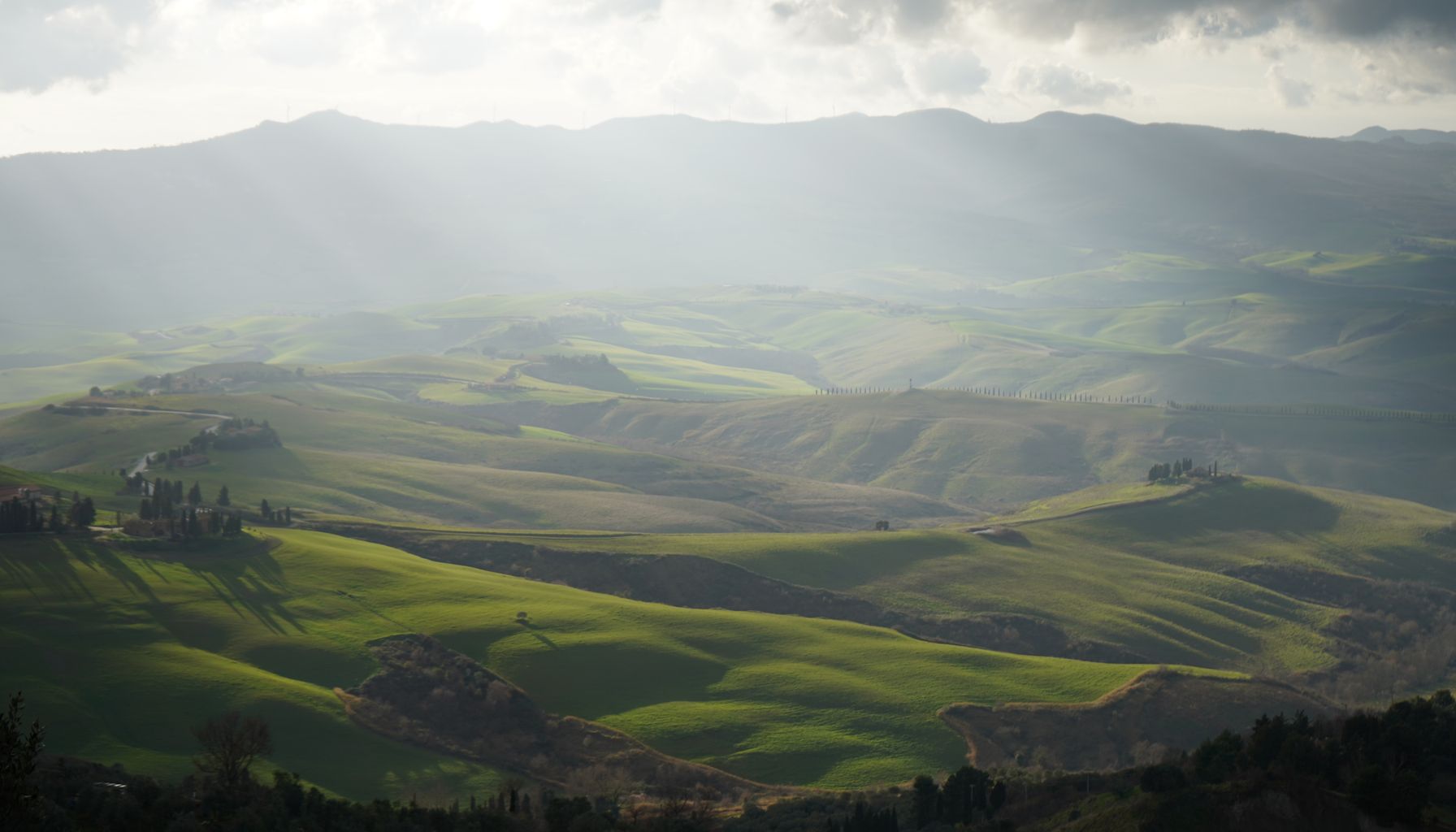
- Less touristy regions (central Tuscany countryside, small Southern towns, smaller islands): lodging and meal prices can be 20–50% lower; more authentic experiences and shorter lines. Sources and useful references: official city tourism sites and ENIT.
How to build a travel budget with contingencies
- List fixed expenses: round-trip airfare, pre-booked lodging, travel insurance.
- Estimate daily costs: meals, local transport, admissions, souvenirs. Use conservative bands (minimum, mid, high).
- Add 10–20% contingency for unforeseen events (delays, itinerary changes, medical emergencies not covered by insurance).
- Check exchange rates and bank fees — foreign cards may charge withdrawal and conversion fees.
Airfare: when to buy, promo seasons, and mileage tips
- When to buy: for international flights, earlier generally pays off — bookings 2–6 months ahead reduce price risk; for peak season, secure 6+ months in advance. Flash sales appear year-round with low-cost carriers.
- Promo periods: late January and late October often have post-season promotions; Black Friday and airline promotions are also opportunities.
- Mileage tips: loyalty programs can reduce costs if you accumulate points with airlines that fly to/within Italy. Compare promo low-cost tickets with total cost (baggage, seat selection). Check airline and aggregator sites to compare.
Accommodations: budget and mid-range options, vacation rental vs hotel
- Hostels and guesthouses: good for budget travelers and backpackers in big cities; book ahead during high season.
- 2–3 star hotels and B&Bs: good value; B&Bs often include breakfast.
- Vacation rentals (Airbnb, Vrbo): advantageous for families or longer stays — check local tourism or cleaning fees. Always book with reviews and flexible cancellation when possible. Practical source: accommodation platforms and comparison sites.
Internal transport: train, bus, car rental, and regional passes
- Train: rail network connects major cities; high-speed trains (Frecciarossa, Italo) are fast and promotional fares if booked in advance. Regional trains are cheaper, with no mandatory reservation. Check Trenitalia (trenitalia.com) and Italo (italotreno.it).
- Bus: companies like FlixBus connect cities at competitive prices, useful for overnight trips or smaller towns.
- Car rental: recommended for exploring rural regions and smaller islands; account for tolls (autostrade), fuel, and parking (expensive in historic centers).
- Regional passes: for those planning several train trips in a short period, look for regional passes that can lower total cost.
Food: tasting without overspending, popular restaurants vs local markets
- Eat well without breaking the budget:
- Favor daily menus (menu del giorno) at lunch — usually cheaper than dinner.
- Local pizzerias and trattorias often offer good value meals.
- Markets and supermarkets (mercato rionale) let you prepare picnics and cut costs.
- Tourist restaurants near attractions tend to charge convenience fees and inflated prices.
- Drinks: bottled water is charged; asking for "acqua del rubinetto" (where appropriate) can reduce costs, but it may not always be served. Reference practice: travel guides and local gastronomy sites.
Attractions and admissions: priorities, youth/student discounts, free days
- Plan ahead for popular museums (Colosseum, Uffizi) to avoid lines and sometimes save on fares.
- Ages and categories often have discounts (students, under 18/25 for some attractions; check local rules). Verify on the attraction's official site.
- Some cities offer free entry days for municipal museums on specific dates — check the local calendar.
Costs of essential services: SIM card, Wi‑Fi, mandatory tourism
- Prepaid SIM card: convenient for data and local calls; operators like TIM, Vodafone, and Iliad sell prepaid plans in stores and at airports.
- Wi‑Fi: available in hotels and many cafes, but not universal; plan data access for maps and bookings.
- Tourist taxes: many cities charge a nightly tourism tax — check at booking time; usually collected separately at check-in.
Real-world savings tips: itinerary planning, intercity transport, and timings
- Smart itinerary: base yourself in one area for several days and take day trips to reduce hotel changes and transport costs.
- Intercity transport: prefer night trains or buses to save a hotel night where feasible.
- Timing: redeye flights and early-morning trains are often cheaper; avoid weekends during peak season to reduce costs.
- Payments and taxes: check if establishments charge servizio or cover; these are common in Italian restaurants and raise the bill.
- Avoid scams: beware of excessive charges for tours without written contracts; check reviews and official sites before purchasing.
How to avoid common scams and tourism taxes
- Always request a receipt for purchases and services; for transport and guides, prefer licensed operators.
- Check cancellation policies and extra fees (cleaning, tourist tax) before confirming reservations.
- In taxis, use official apps or licensed taxis and verify the meter.
Travel insurance and medical expenses: budgeting allocation
- Travel insurance is advisable: covers medical expenses, lost baggage, and repatriation. Compare coverages and deductibles.
- Allocation: budget 3% to 7% of the total trip cost, depending on coverage and traveler profile (family, seniors).
- Health system: tourists pay for medical services; some countries have bilateral agreements, but for Brazilian tourists on short trips, insurance is essential.
Sample itineraries with a mid-range budget (7–10 days) for different profiles
- Backpacker (7–10 days, focus on big cities, economical transport)
- Profile: hostels, market/pizzeria meals, regional trains/buses.
- Estimate: lower daily budget with focus on avoiding peak season; a contingency is recommended.
- Couple (7–10 days, Rome–Florence–Venice or Rome + Tuscany)
- Profile: 3–4 star hotels, occasional high-speed trains, some restaurant meals.
- Estimate: higher costs in lodging and high-speed transport; book tours and admissions in advance.
- Family (7–10 days, kids, slower pace)
- Profile: apartment/vacation rental, some meals at home, comfortable travel (trains or car).
- Estimate: factor in extra costs (child admissions, larger accommodation) and family-friendly insurance.
Note: numeric estimates vary by origin, exchange rates, and personal choices; use cost bands as reference and tailor to your itinerary. For tourism and more detailed itineraries, see our section on tourism in Italy and articles in Notícias da Itália with seasonal updates.
Final checklist to close the budget without surprises
- Check passport validity and entry requirements; book tickets and lodging in advance.
- Include the tourism tax and potential local taxes in the final calculation.
- Buy travel insurance appropriate to the profile.
- Reserve priority attractions and consider transportation passes if you’ll be moving a lot.
- Plan a financial contingency (10–20%) and check card limits and withdrawal fees.
Conclusion A realistic budget for Italy in 2026 depends on seasonality, cities visited, and travel style. Early planning for flights, lodging, and admissions, combined with regional transport and local meals, can reduce costs without compromising the experience. For content about life and citizenship related to Italy, consult the Raízes Italianas pages on Vida na Itália and cidadania italiana.