Tuscany Itinerary: Florence, Siena, and Medieval Villages
Discover Florence, Siena, and medieval Tuscan villages in a complete itinerary: museums, squares, wines, cuisine, and stunning landscapes.
Meta description: Discover Florence, Siena, and medieval Tuscan villages in a complete itinerary: museums, squares, wines, cuisine, and stunning landscapes.
The Tuscany combines Renaissance art, medieval towns, and vineyard landscapes — ideal for a road trip itinerary between Florence, Siena, and walled villages. Below is a practical plan with suggestions for excursions, gastronomy, and logistics.
Introduction to Tuscany: what to expect from the itinerary between Florence, Siena, and medieval villages
Tuscany offers urban centers filled with museums and squares, along with small medieval towns perched on hills. Expect cobbled streets, rolling vineyards, and cuisine based on local ingredients. For practical information on living or traveling long-term in Italy, consult guides on Life in Italy and Tourism in Italy. Official tourism sources with maps and events: Visit Tuscany (https://www.visittuscany.com).
Best time to visit and planning tips
- Best time: spring (April–June) and autumn (September–October), when temperatures are mild and crowds smaller.
- Midsummer (July–August): intense heat and higher prices.
- Book Uffizi and Accademia tickets in advance (official sites: https://www.uffizi.it; https://www.galleriaaccademiafirenze.it).
- Renting a car makes it easier to reach villages; pair with train segments between larger cities (Trenitalia, https://www.trenitalia.com).
Florence: artistic treasures and key highlights
Florence concentrates the Renaissance: Duomo, Piazza della Signoria, Ponte Vecchio, Uffizi, and Accademia. The visit covers works by Michelangelo, Botticelli, and Brunelleschi.

Suggested 1- to 2-day itinerary in Florence
Day 1
- Morning: Duomo (Brunelleschi's dome) and Baptistery.
- Afternoon: Uffizi (book in advance).
- Evening: dinner in Oltrarno, the artisan quarter.
Day 2 (optional)
- Morning: Accademia to see David.
- Afternoon: stroll the San Lorenzo Market and shop for leather/local art.
Sources: OfficialFlorence Museums (https://www.uffizi.it; https://www.galleriaaccademiafirenze.it).
Local experiences: markets, trattorias, and crafts
- Central Market for local ingredients and quick meals.
- Traditional trattorias serve ribollita, bistecca alla fiorentina, and cantucci with vin santo. For more on regional cuisine, see Tuscan Cuisine.
- Craft workshops in Oltrarno maintain traditional carpentry and pottery techniques.
Siena: medieval architecture and the Piazza del Campo
Siena is famous for the Piazza del Campo, stage of the Palio, and the Gothic cathedral complex (Duomo di Siena). The historic center is a UNESCO World Heritage site (UNESCO, https://whc.unesco.org).
Half-day to full-day Siena itinerary
Half day
- Piazza del Campo: climb the Torre del Mangia for panoramic views (tickets on-site/online). Full day
- Siena Cathedral and the Piccolomini Library.
- Walk through the contrade; try panforte and pici (traditional pasta).
Source: UNESCO and official Siena town sites (https://www.comune.siena.it).
Gastronomic experiences: Chianti wine and typical dishes
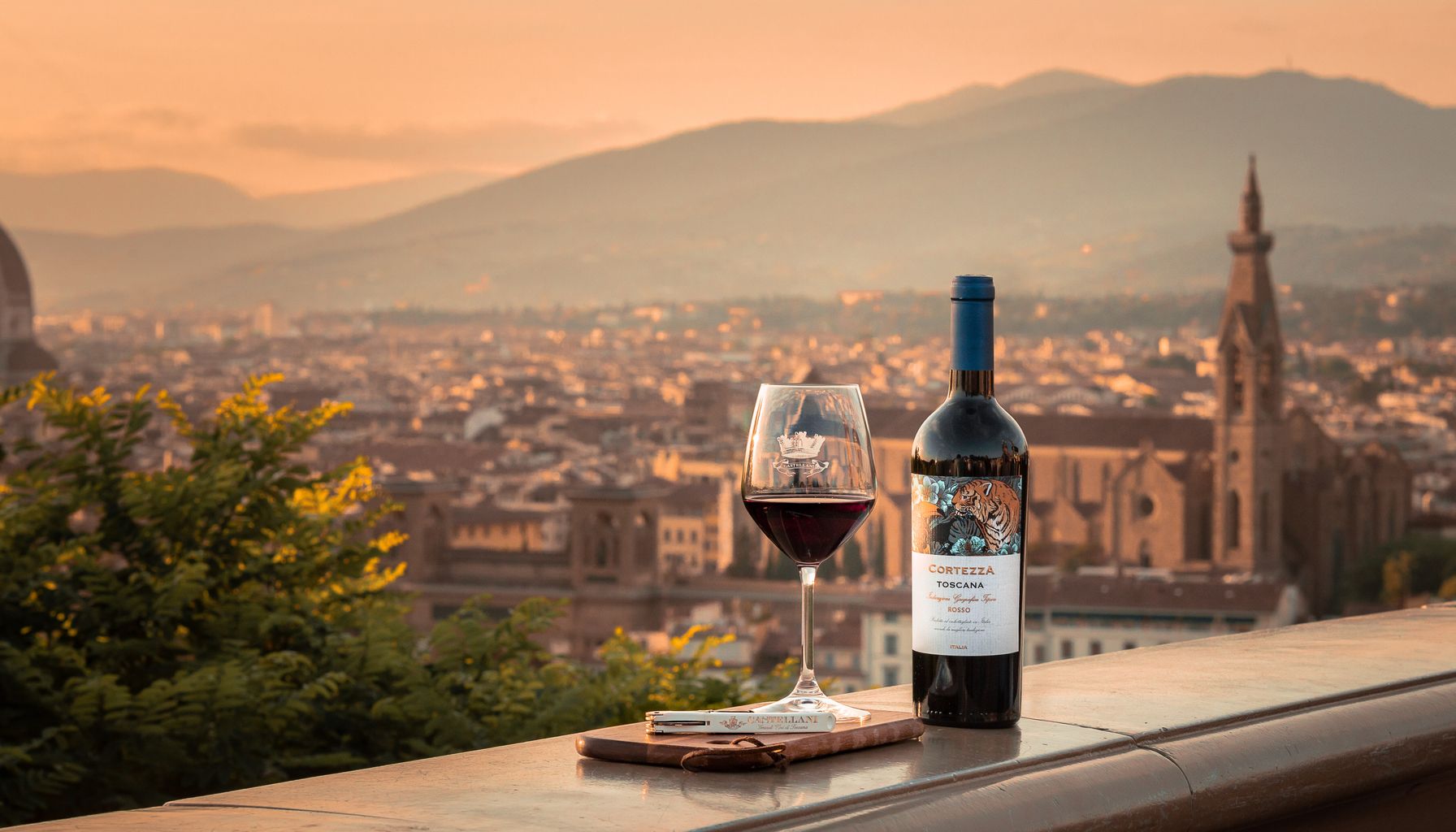
The area between Siena and Florence is the heart of Chianti Classico. For information on producers and tasting reservations, consult the Consorzio Chianti Classico (https://www.chianticlassico.com). Local dishes include pici all'aglione, ribollita, and bollito misto in Tuscan versions.
Medieval Villages of Tuscany
Tuscany boasts numerous walled, towered villages — ideal for those seeking a medieval atmosphere.
San Gimignano, Volterra, and Monteriggioni: the charm of the walls
- San Gimignano: famed for its medieval towers and Vernaccia production; UNESCO-listed historic center (https://whc.unesco.org).
- Volterra: a mix of Etruscan and medieval influences; highlight Roman theater and alabaster studios.
- Monteriggioni: circular castle with well-preserved walls — a short, photogenic stop.
Sources: Visit Tuscany and UNESCO.
Getting around between villages and lodging options
- A car is the most practical option for flexibility; scenic roads are generally well maintained, but some rural routes are narrow.
- Alternatives: local buses between major points or organized tours departing from Florence/Siena.
- Lodging: agriturismi (typical agriturismo), B&Bs in historic houses, or small boutique hotels in the villages.
Wine routes and regional landscapes
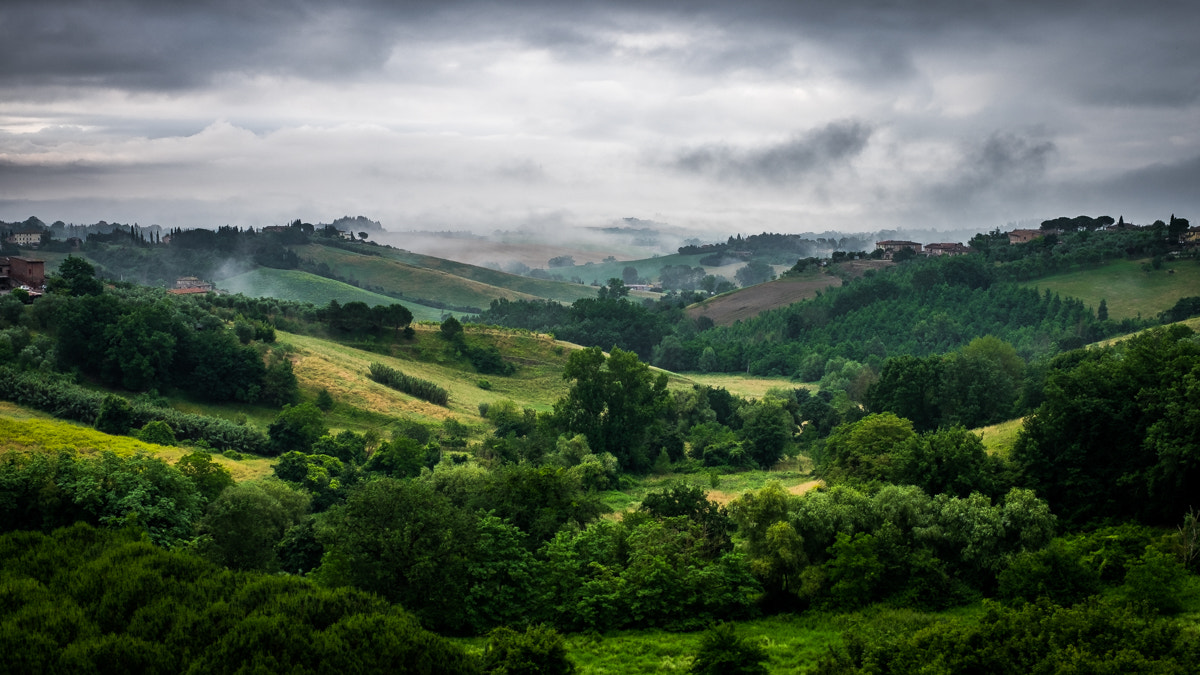
The Chianti hills, Val d’Orcia, and secondary roads offer cinematic scenery — cypress-lined lanes, vineyards, and olive groves.
Short hikes and viewpoints
- Pienza and Montalcino (Val d’Orcia): viewpoints for sunset photos.
- Passo della Futa and SP2 Cassia overlook the classic Tuscan vistas.
How to include a tasting experience in the itinerary
- Schedule tastings at Chianti Classico wineries via the consortium (https://www.chianticlassico.com) or directly with producers.
- Check whether the tasting includes a vineyard and winery tour, and if reservations are required for groups.
Travel practicalities: transportation, insurance, tickets, and museums
- Transportation: pair a train (Trenitalia) between Florence and Siena with a car rental for villages.
- Travel insurance recommended for medical coverage and cancellations.
- Tickets: purchase advance entries to Uffizi, Accademia, and Dome ascent on official pages.
- Hours: many museums close on Mondays; confirm before you go.
Recommended restaurants and cafés
- In Florence: trattorias in Oltrarno and restaurants near the Central Market.
- In Siena: the Piazza del Campo area offers traditional options; look for mentions of panforte and vin santo. For readings on culture and current events that enrich the trip, see Italian Culture and the latest News about Italy.
Photography tips to capture Tuscany
- The golden light of early morning and late afternoon enhances hills and façades.
- Use wide-angle lenses for squares and telephotos for architectural details.
- Photograph cypress rows and secondary roads for classic regional imagery.
Conclusion The itinerary between Florence, Siena, and the medieval villages lets you combine art, history, wines, and idyllic landscapes in a few days. Plan entry tickets and tastings in advance, prefer spring or autumn for mild weather, and consider renting a car to explore hill towns. For more practical content on tourism and life in Italy, see our guides at Tourism in Italy and Life in Italy.