How Much Does It Cost to Travel to Italy in 2026? A Realistic Budget
Plan your trip to Italy in 2026 with a realistic budget: costs for flights, lodging, meals, transportation, and tips to save without sacrificing quality.

Plan your trip with practical, realistic expense estimates for 2026: flights, lodging, meals, transportation, and tips to avoid blowing your budget.
(Meta description: Plan your trip to Italy in 2026 with a realistic budget: costs for flights, lodging, meals, transportation and tips to save without losing quality.)
Overview of average costs by category
- Flights: €500–€1,200 per person for round-trip flights from Brazil to major airports (Rome, Milan) in economy class, with variation by origin city and lead time. This range reflects market research from search engines like the Skyscanner and trends observed in 2026.
- Lodging: €40–€200/night depending on type (hostel, 2–3 stars, 4–5 stars) and location. In historic centers prices are higher.
- Meals: €10–€40 per meal at mid-range restaurants; fast food/markets can cost €5–€15.
- Local transport: metro/bus tickets €1.50–€2.50 per ride; regional trains between cities €10–€40; high-speed trains €30–€100+.
- Tours/entries: museums and main attractions €5–€30; guided tours and skip-the-line tickets are more expensive.
According to Italy’s National Institute of Statistics (ISTAT), inflation and the cost of tourism services continue to influence these values in 2026; therefore it is essential to include a 10–20% contingency for unforeseen costs. To estimate total budget, add up the categories above per day and multiply by the trip days, adjusting by city — see the Costs by City section.
Flights, insurance, and currency exchange
- Flight strategies: research early (3–6 months for peak season), use price alerts on search engines like Skyscanner and compare flexible dates (weekdays are usually cheaper than weekends). Market data indicates connecting flights tend to be cheaper than direct ones.
- Travel insurance: a policy with basic health and repatriation coverage is recommended — typical costs range from €30–€100 per person for 7–14 day trips, depending on age and coverage. Consider cancellation and baggage provisions relative to the trip’s total value.
- Fees and exchange: exchange rates can vary and banks may add fees and card transaction spreads. To avoid surprises, check the euro rate on the day of exchange and prefer withdrawing from local Italian bank ATMs or using cards with low foreign transaction fees. The Banco Central do Brasil and card issuers provide applicable rates; run a few simulations before departure.
Lodging, internal transport, and meals
- Lodging: budget options include hostels, B&Bs, and short-term rental apartments; central locations cost more but save time and transport. For 7–10 day stays, a mixed approach (a few days in the center, a few in cheaper neighborhoods) is cost-efficient.
- Internal transport:
- Train: Italy’s rail network is extensive; booking in advance secures promotional fares on high-speed trains (Frecciarossa, Italo). Regional or Eurail/Interrail passes may be worthwhile depending on the number of legs.
- Bus: intercity bus companies are economical for longer trips.
- Car: rental is useful for rural areas (Tuscany, parts of Cinque Terre), but factor fuel, tolls, insurance, and ZTL (limited traffic zones) in cities.
- Meals: mix restaurant meals with market foods and snacks. Tourist-centered restaurants in central areas tend to be pricier; seek trattorias and enotecas outside tourist hotspots for savings and a better dining experience.
City-by-city cost differences and attractions
- Rome: high tourist flow and higher central-historic-area prices for lodging and meals.
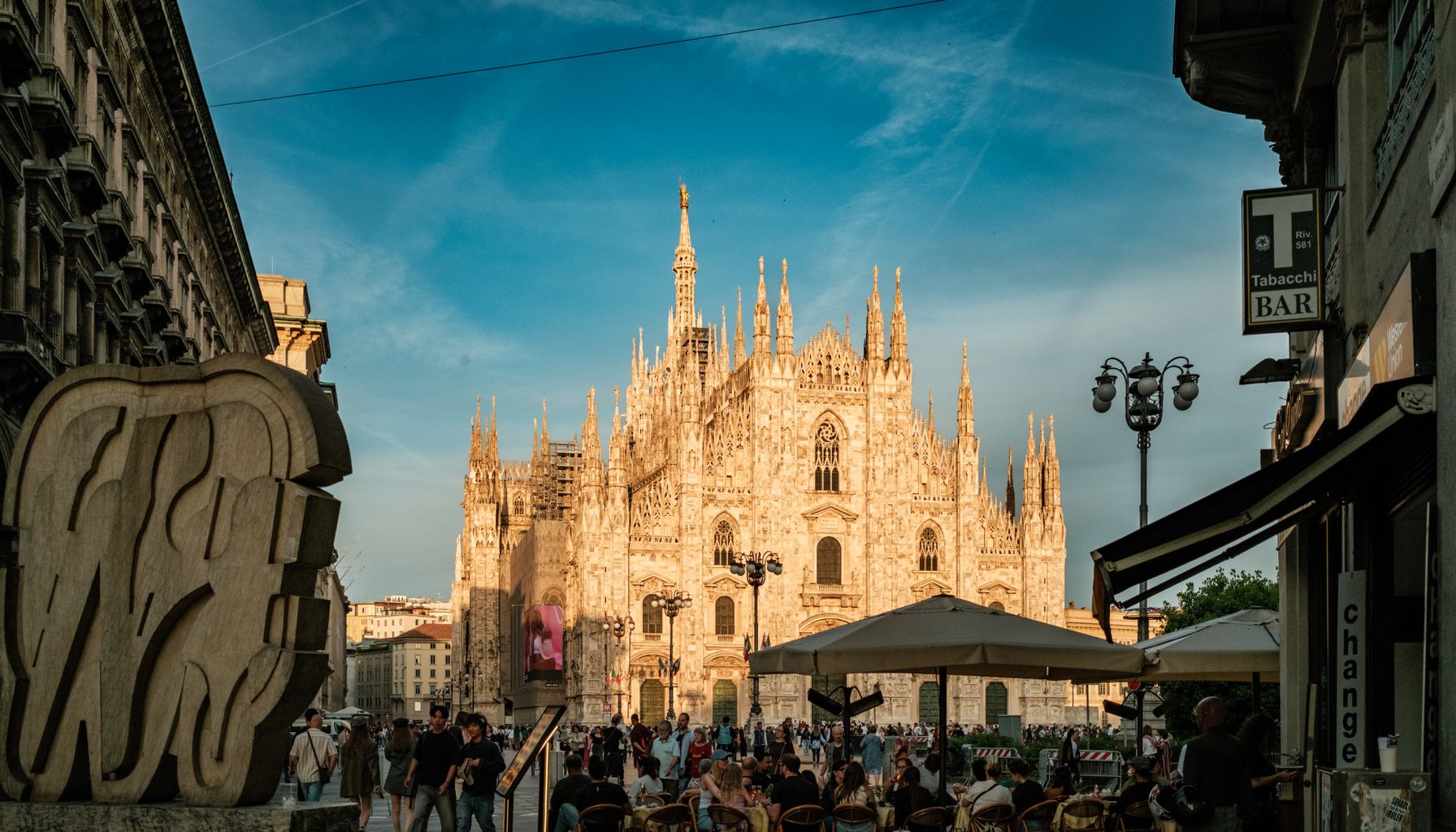
- Florence: high costs for accommodations near the Duomo; many paid art attractions.
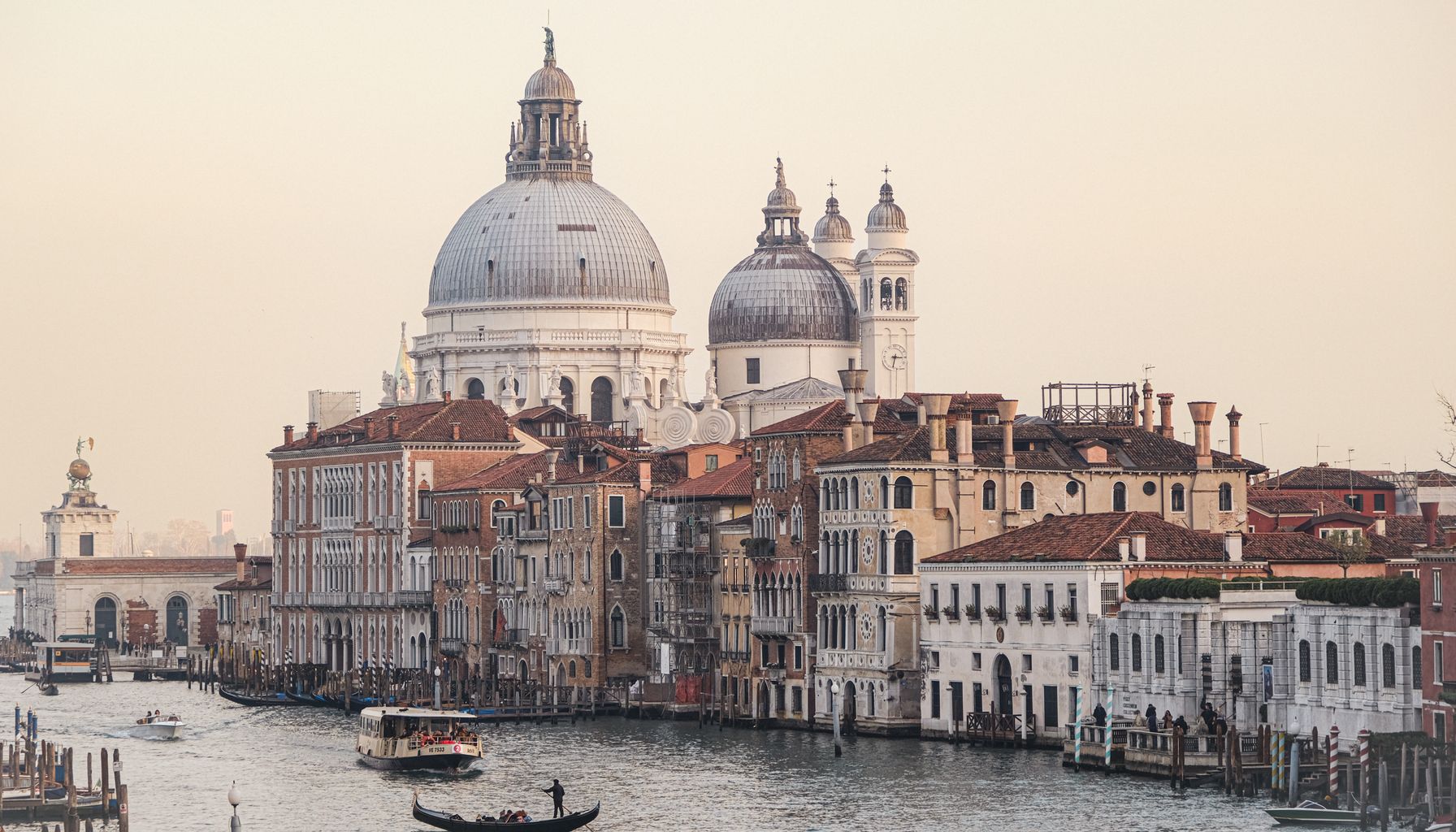
- Venice: lodging and meals among the most expensive in Italy; watch for caps in very touristy areas.
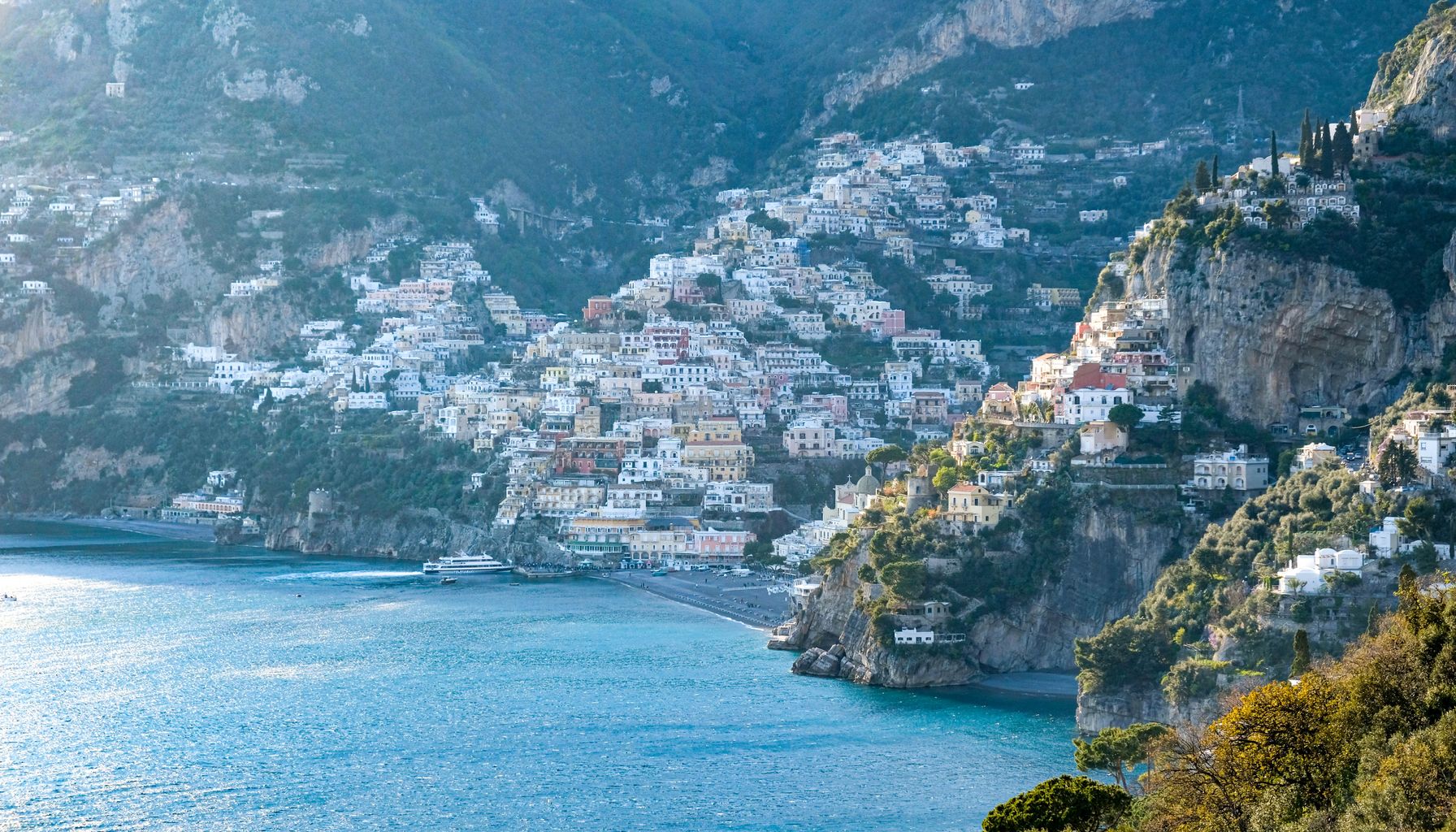
- Naples: generally more economical for lodging and meals; good value for nearby visits (Pompeii, Amalfi Coast).
To plan visits, mix paid and free attractions (squares, churches, walking tours). Buying tickets online in advance can be cheaper and help avoid lines. City passes (like Roma Pass, Firenze Card) may pay off depending on how many attractions you plan — calculate before buying based on your planned itinerary. Useful apps: official city tourism guides and platforms like Trenitalia, Italo, and museum booking sites.
A 7–10 day budget-friendly itinerary and spending control
Example: 8 days (tight budget):
- Days 1–3: Rome — explore plazas and museums (1 paid entry), public transportation, and meals at trattorias outside the center.
- Days 4–5: Florence — regional overnight train or affordable option; reserve principal museums in advance.
- Days 6–7: Venice or Naples — tailor to preference; prioritize walking and markets.
- Day 8: return/last-minute adjustments.
Practical tips to adjust the budget:
- Track daily expenses in a finance app and keep an emergency fund (10–15% of total).
- Pay large items (flights, lodging) upfront; use a card with alerts to prevent fraud.
- Avoid unnecessary cash withdrawals and exchange modest sums at home or at banks with favorable rates.
Useful local resources:
- Official regional and city tourism sites for hours and reservations.
- In case of emergency, Italian emergency numbers (112) and Brazilian consulates/embassies; for information about residency or relocating to Italy, see our pages on cidadania italiana and Vida na Itália.
Conclusion Traveling to Italy in 2026 requires planning and a margin for price variation by season and city. With advance research on flights, strategic lodging bookings, blended use of public transport, and smart dining choices, you can lower costs without compromising experience. For updates on economy, tourism, and rules affecting travel and stay, follow our news about Italy and the Italy tourism section.