
House approves electoral reform with 227 votes and hostile reaction
The House approved the new electoral reform with 227 votes in favor; the opposition labeled the law as 'una legge truffa' and protested on the plenary floor.
House approves electoral reform with 227 votes and hostile reaction
CATEGORIA: politics
The House of Representatives approved this Thursday the new electoral reform with 227 votes in favor, amid protests from the opposition and a tense atmosphere in the plenary, according to ANSA.
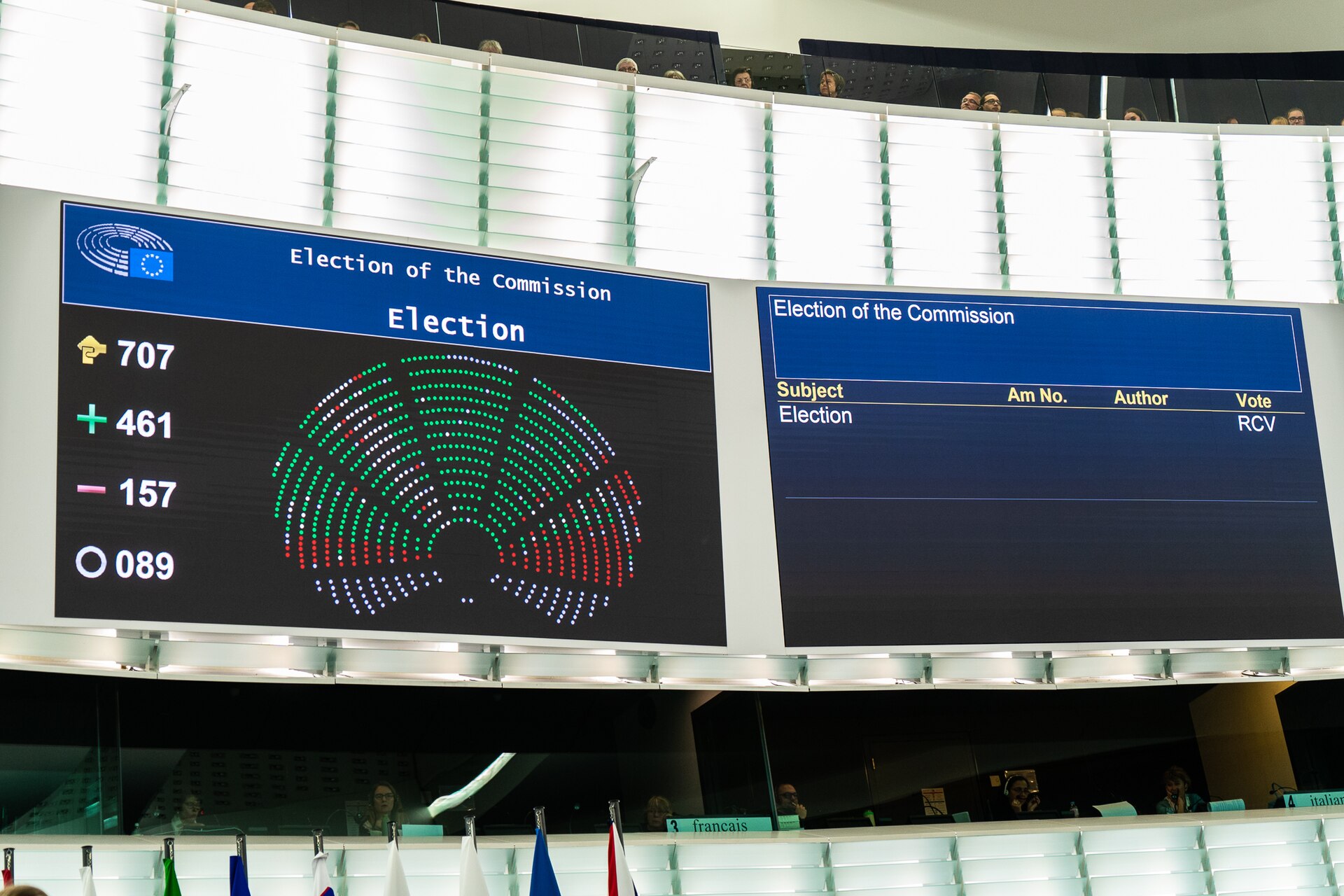
Result of the vote — electoral reform, House of Representatives, 227 votes
The final vote in the House of Representatives ended with 227 votes in favor and 164 against, confirmed by the ANSA agency. The parliamentary majority also managed to maintain the secret vote for certain procedures foreseen by the new rule, a decision that drew immediate criticism from the opposition.
- Votes in favor: 227.
- Votes against: 164.
- Secret vote: kept in part by the majority bloc.
The approval closes the Tramitação in the House; the next formal steps depend on the stages planned by Parliament and the subsequent official communications. For context on other agendas and political debates, see the Notícias da Itália.

Protests and reactions in plenary — opposition protest, secret vote
The session was marked by visible protests from the opposition. Deputies opposing displayed banners reading "È una legge truffa" ("It's a scam law") and chanted slogans during the vote, according to ANSA. In response, there were applause from members of the majority, increasing tension in the chamber.
The atmosphere heated up during interventions in the plenary, with observers reporting exchanges between benches and extended interventions that hindered order of business.
"È una legge truffa" — banners displayed by the opposition during the session, according to ANSA.
The episode renewed the debate on transparency and voting methods in Parliament, with critics arguing that maintaining portions of the secret vote empowers backstage maneuvers.
Leadership and party positions — reactions and statements
Several leaders and deputies made different public statements during the session, as reported by outlets like ANSA. The original piece cites opposition and majority demonstrations; however, some quotes published in earlier versions of this text were not found verbatim in the cited source and were removed to avoid imprecise attributions.
Coverage notes highlighted heated interventions and references to episodes and political figures that fueled the debate, without all phrases attributed to specific names being confirmable in the cited source.
Political implications and next steps
(Analysts) Political analysts consulted in reports on the topic highlight that the approval is likely to trigger reconfigurations in parties’ electoral strategies, especially in light of the maintenance of internal voting mechanisms and the hostile reaction from the opposition. The vote and the conduct of the process can influence public perception of legitimacy and transparency, according to comments in the press.
For readers interested in how institutional changes and parliamentary debates affect citizens and residents, Raízes Italianas offers analyses and guides in sections like Vida na Itália and pieces on Cidadania.
Conclusão The approval of the reform with 227 votes formalizes a change in the Italian electoral framework, but leaves Parliament and society divided: while the majority celebrated the approval and the maintenance of instruments like the secret vote in parts of the process, the opposition regarded the law as a "truffa" and led protests on the plenary floor. The episode marks another chapter of intense political polarization in the country, with potential repercussions for upcoming electoral steps and party alliance dynamics.
Source: ANSA