Secret Rome: atlas reveals hidden, lesser-visited places
Atlas highlights less-touristy Rome: private palaces, 16th-century chapels, mosaics of Santa Prassede, a rare meridiana, historic pharmacy, and local ceremonies.
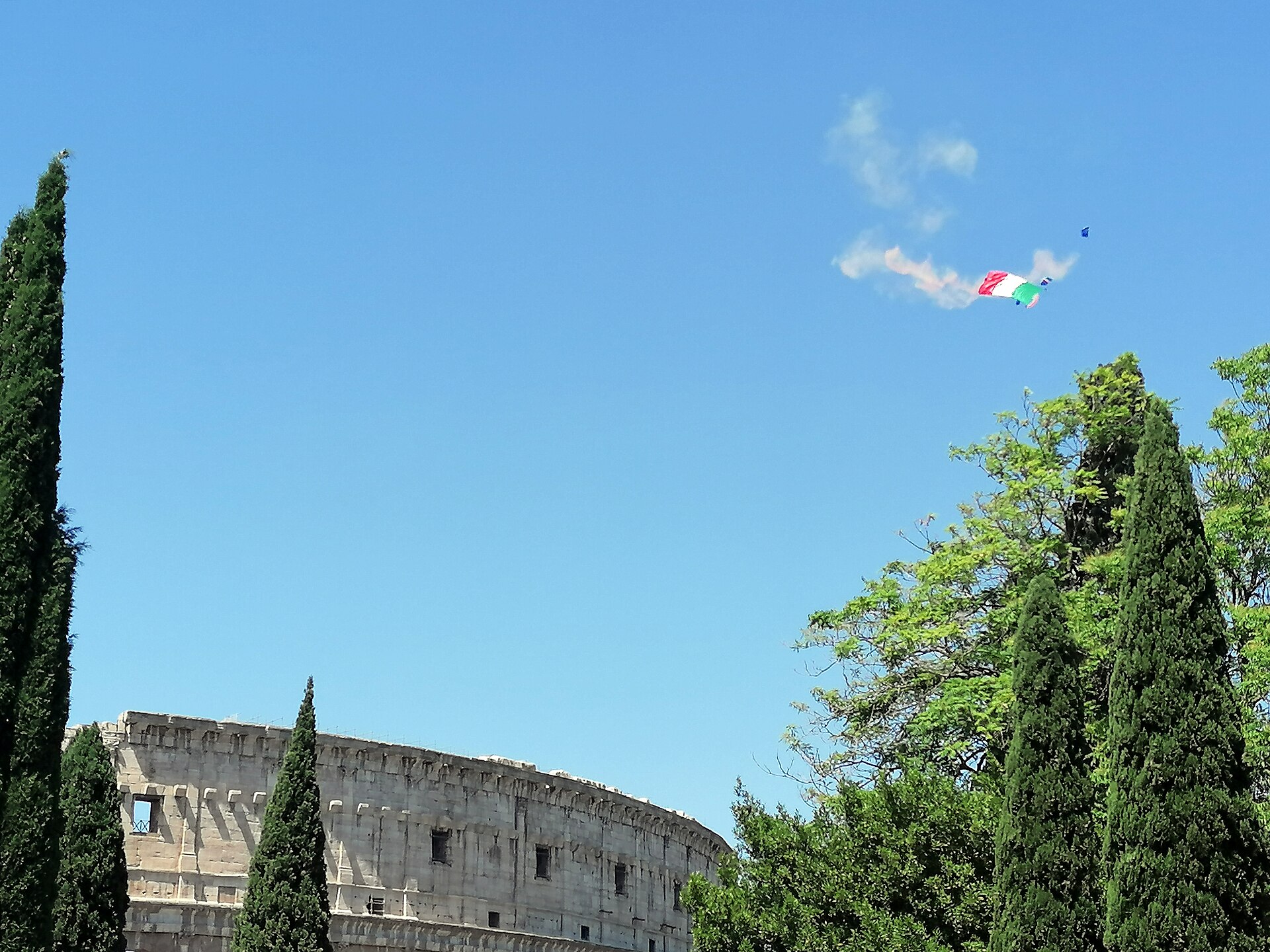
A new atlas gathers little-known places in Rome and maps a city beyond the massified routes, with private palaces, 16th-century chapels, surprising mosaics and traditional ceremonies that even many locals miss, according to ANSA.
Report summary
The Atlas presents a route of Secret Rome composed of spaces often inaccessible or ignored by tourists: palace halls, small chapels on side streets, iconographic details in basilicas, a historic pharmacy, and a rare meridiana. The proposal, according to ANSA, is to offer alternatives to the circuit of the most famous monuments, highlighting places where religious and daily life preserved ancient traces.
Places highlighted by the Atlas
The survey, as published by ANSA, explicitly cites some points that exemplify this alternative tourism.
- Casino dell'Aurora: a seventeenth-century setting located in the garden of a private palace that, according to the Atlas, can be visited for free on the first day of each month. The site has historical ties to Cardinal Mazzarino, according to ANSA.
- Small 16th-century chapel: hidden in a side alley off Via Giulia, the chapel exemplifies devotional spaces smaller than those that survive in residential areas and rarely appear in travel guides.
- Mosaics of the Basilica of Santa Prassede: the Atlas draws attention to peculiar details of the mosaics, such as square ampoules used as halos, a reading that surprises those who know only the city’s more famous motifs.
Other finds and curiosities
Besides the points above, the Atlas highlights curious and little-publicized elements that help form the image of an intimate and fragmentary Rome.

- Unusual fresco: in a basilica cataloged in the Atlas, there is a fresco that records insults — a rare detail illustrating how certain artistic sources also document episodes of language and conflict, according to ANSA.
- Santa Maria della Scala Pharmacy: noted as a historic pharmacy that, per the atlas, distributed medicines from the 16th century to 1978, representing a lasting aspect of local assistance.
- Davanzali of Palazzo Montecitorio: the Atlas draws attention to stone sculptures on the window sills, with fragments of leaves and branches, small ornamental details often overlooked by hurried visitors.
- 'Catottrica' meridian: mentioned as a rare piece of interest for those who observe solar measuring instruments; the technical term underscores the specialized nature of this discovery.
- "Motor painting": cited incompletely in the source, appears in the Atlas as a lead to be further investigated, according to ANSA.
Traditional events
The Atlas also recovers celebrations and rites that still occur in public spaces, reinforcing the living dimension of the heritage.
- Secular ceremony of blessing of animals: held on January 17 at Piazza Vittorio, in front of the church of Sant'Eusebio. The depiction of popular rites in less central squares highlights the persistence of local traditions that escape mass tourism.
Relevance for Brazilians and descendants of Italians
For Brazilian tourists and descendants of Italians, the Atlas offers routes that complement visits to Rome’s classics, presenting:
- options for alternative tourism for those who already know the Colosseum, the Vatican, and the major squares;
- itineraries focused on local history, religious art, and popular traditions, potentially relevant for travelers interested in genealogy, ancestry, and more intimate cultural experiences;
- suggestions aligned with practical interests, such as architectural detail photography, research on churches and small confraternities, and less crowded experiences.
Brasians who follow citizenship and migration topics may find in these places layers of history and religiosity that help contextualize family trajectories; for information about processes and rights, consult content about Cidadania Italiana. To follow other country-related topics, see our publications in Notícias da Itália and pieces on daily life and culture in Vida na Italia.
"The Atlas serves as an invitation to explore a city that hides secrets in discreet corners, many unknown even to those who live in Rome," highlights ANSA's report.
Conclusion: the Atlas presents a Rome less flashy, where private palaces, chapels, iconographic details and popular ceremonies compose a valuable panorama for visitors seeking historical depth and experiences off the conventional routes. For those traveling in search of connections to their own Italian origin, these points offer new layers of meaning and discovery. Source: ANSA