Learning Italian: Methods, Costs, and Certifications
Discover efficient paths to learn Italian, estimated costs, study methods, and certifications that help in life in Italy. Explore practical plans, budget ranges, and official exams for living, studying, or pursuing citizenship in Italy.
Meta description: Discover efficient paths to learn Italian, estimated costs, study methods, and certifications that help in life in Italy.
Learning Italian combines daily practice, well-chosen methods, and recognized certifications. This practical guide presents study options, cost estimates, routine plans, and information about official exams for those considering living, working, or pursuing citizenship in Italy.
Quick overview: why learn Italian today
Learning Italian benefits those planning to live, study, or work in Italy, in addition to easing administrative processes and cultural integration. Proficiency improves access to universities, the job market, and everyday life — essential information for those seeking life in Italy or following changes on citizenship and immigration in the latest news.
According to Italian universities that administer exams, official certifications are widely recognized by employers and academic institutions in Italy (see the certifications section). For many Brazilians with Italian ancestry, mastering the language also speeds up practical processes after arrival in the country.
Overview of available teaching methods
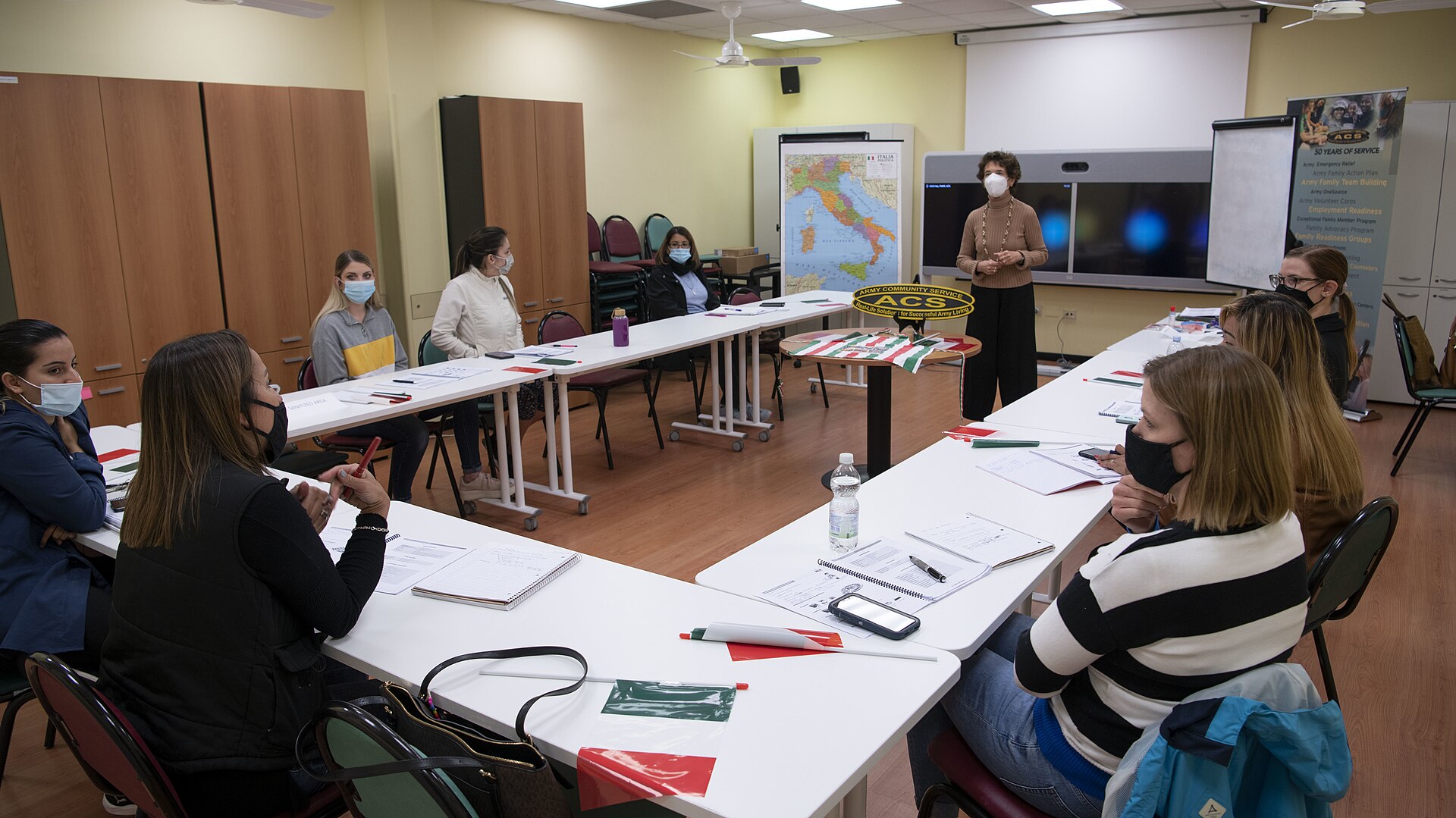
- In-person classes: language schools, universities, and linguistic centers offer classroom courses for all levels.
- Live online courses: teachers via Zoom/Teams with small groups or one-on-one sessions.
- Asynchronous platforms and apps: recorded courses, interactive exercises, and apps like Duolingo, Babbel, and Busuu (each with a different focus).
- Guided self-study: textbooks, podcasts, series, language tandems, and conversation groups.
- Immersion: temporarily living in Italy to learn through daily practice.
How to choose the right method for your profile
- Set objectives: daily conversation, academic study, certification (CEFR), or professional work.
- Consider availability: daily time, budget, and flexibility needs.
- Combine methods: structured classes + practice outside class (reading, listening, speaking).
Traditional vs. digital methods
Traditional methods
- Advantages: in-person feedback, classroom discipline, networking.
- Disadvantages: higher cost and less flexible schedules.
Digital methods
- Advantages: flexibility, broad resource availability, variable cost.
- Disadvantages: requires self-discipline; less personalized correction if only recorded content.
Popular tools: apps, online courses, and in-person classes
- Apps: Duolingo, Babbel, Busuu, Memrise — useful for initial vocabulary and review.
- Tutor platforms: italki, Preply, Verbling — for one-on-one lessons with native speakers.
- Certification courses: many universities and language schools offer preparation for CILS, CELI, and PLIDA (see certifications section). According to Università per Stranieri di Siena, CILS exams have annual calendars and testing centers across Italy and the world (https://www.unistrasi.it/).
- Local schools: cultural institutions like Società Dante Alighieri also offer courses and certifications (https://www.societadantealighieri.org/).
6-month method combination suggestions
- Months 1–2: intensive online course (3x/week) + 20 min/day of app vocabulary.
- Months 3–4: weekly private lesson (focus on pronunciation and conversation) + reading club or Italian series.
- Months 5–6: exam practice tests (if pursuing certification) and active immersion (language tandem, local meetups). This combination balances structure, feedback, and real-world practice.
Estimated costs by method
Costs vary by country, modality, and institution. We present estimated ranges based on common offers in 2026.
- In-person language school classes (Brazil/Italy): €150–€400 per month for group courses (8–12 weeks).
- Intensive in-person course in Italy (without accommodation): €400–€1,200 per month, depending on city and school.
- Online group classes: €50–€200 per month.
- Online private lessons: €10–€40 per hour (teachers on international platforms vary widely).
- Platforms and apps: monthly subscriptions €6–€15; free versions have limitations.
- Certification prep (specific courses): preparation courses may cost €100–€500 per module, plus exam fees.
Sources: language school ads, teaching platforms, and official university pages that run exams (see certifications section for exam fees).
Monthly budget vs. total investment
- Economic plan (self-study + app + 1 weekly lesson): €20–€80/month.
- Balanced plan (2 lessons/week + app + materials): €100–€300/month.
- Intensive plan (intensive in-person course or daily private lessons): €400+/month.
Total investment to reach B1 (CEFR), with consistent study and supervision: typically 6–12 months for regular study; costs vary by the chosen combination.
Tips to save without sacrificing quality
- Combine free resources (podcasts, videos, libraries) with targeted lessons.
- Use language exchanges (tandem) to speak at no cost.
- Prioritize lessons focused on your needs (conversation, formal writing).
- Look for cultural centers and local universities offering lower-cost courses.
Italian proficiency certifications
The most recognized certifications are:
- CILS — Università per Stranieri di Siena (https://www.unistrasi.it/).
- CELI — Università per Stranieri di Perugia (https://www.unistrapg.it/).
- PLIDA — Società Dante Alighieri (https://www.societadantealighieri.org/). Other exams (e.g., AIL) also exist for specific uses.
CEFR levels and when to pursue certification
- CEFR: A1, A2 (basic); B1, B2 (intermediate/independent); C1, C2 (advanced).
- Practical guidance:
- A2: basic communication. Seek certification if you need minimum life skills.
- B1: level often required for long-term residence in some contexts and for independent living.
- B2/C1: needed for university courses in Italian and many qualified jobs. Official pages of issuing universities detail the requirements and usefulness of each level.
How certification helps housing, work, and study in Italy
- Universities and employers recognize official certificates as proof of language proficiency.
- In administrative processes, having certification can streamline admissions or knowledge verification. For citizenship applicants or administrative procedures, consult official sources—Raízes Italianas provides updates on this at /cidadania and /noticias.
Source: institutional information from universities and Società Dante Alighieri (links above).
Practical study plans
Weekly routine (beginner → intermediate)
- 5 days/week: 30–60 minutes of active study (grammar + vocabulary).
- 3 days/week: 30 minutes of listening (podcasts, songs, news).
- 2–3 times/week: 30–60 minutes of speaking (lesson, tandem, recording).
- 1 day/week: writing (short text with corrections).
- Weekend: review and reading an article or chapter.
Resources for listening, speaking, reading, and writing practice
- Listening: RAI radio, Italian podcasts (Italianspod101, Coffee Break Italian), Corriere della Sera news (https://www.corriere.it/).
- Speaking: tandems via Tandem/HelloTalk, private lessons on italki/Preply, local conversation groups.
- Reading: newspapers (Corriere della Sera, La Repubblica), adapted books, blogs about life in Italy.
- Writing: essays corrected by teachers, forums, text exchanges with natives.
Tips to stay motivated
- Set measurable goals (e.g., "read one article per week", "join 8 hours of conversation per month").
- Track progress (journal, goal-tracking app).
- Mix methods to avoid boredom (music, series, Italian cooking as a context).
- Do periodic exam practice checkpoints to stay focused.
Common pitfalls and how to avoid them
- Lack of consistency: better to study 20 minutes daily than 3 hours only on weekends.
- Fear of speaking: practice with partners who accept mistakes; errors are part of learning.
- Relying only on apps: combine with oral practice and writing production.
Expected results at 3, 6, and 12 months
- 3 months (regular study): A1–A2 (basic phrases and comprehension).
- 6 months (intense/consistent): A2–B1 (communication in everyday situations).
- 12 months (consistent study with real practice): B1–B2 (fluent conversation in many contexts; possible serious prep for B2 certification).
Conclusion Learning Italian requires a combination of methods, consistency, and clear objectives. Choosing between in-person classes, online courses, and free resources depends on budget and goals; for formal recognition, preparing for CILS, CELI, or PLIDA is the recommended path. For more context on immigration- and citizenship-related topics that can influence study plans, learn more about Italian citizenship and follow the latest news about life and policies in Italy.