
Tourism in Italy Hits Records in 2026
Tourism in Italy sets records in 2026: visitors, spending and the most visited cities. See trends, seasonality and impacts on the country.
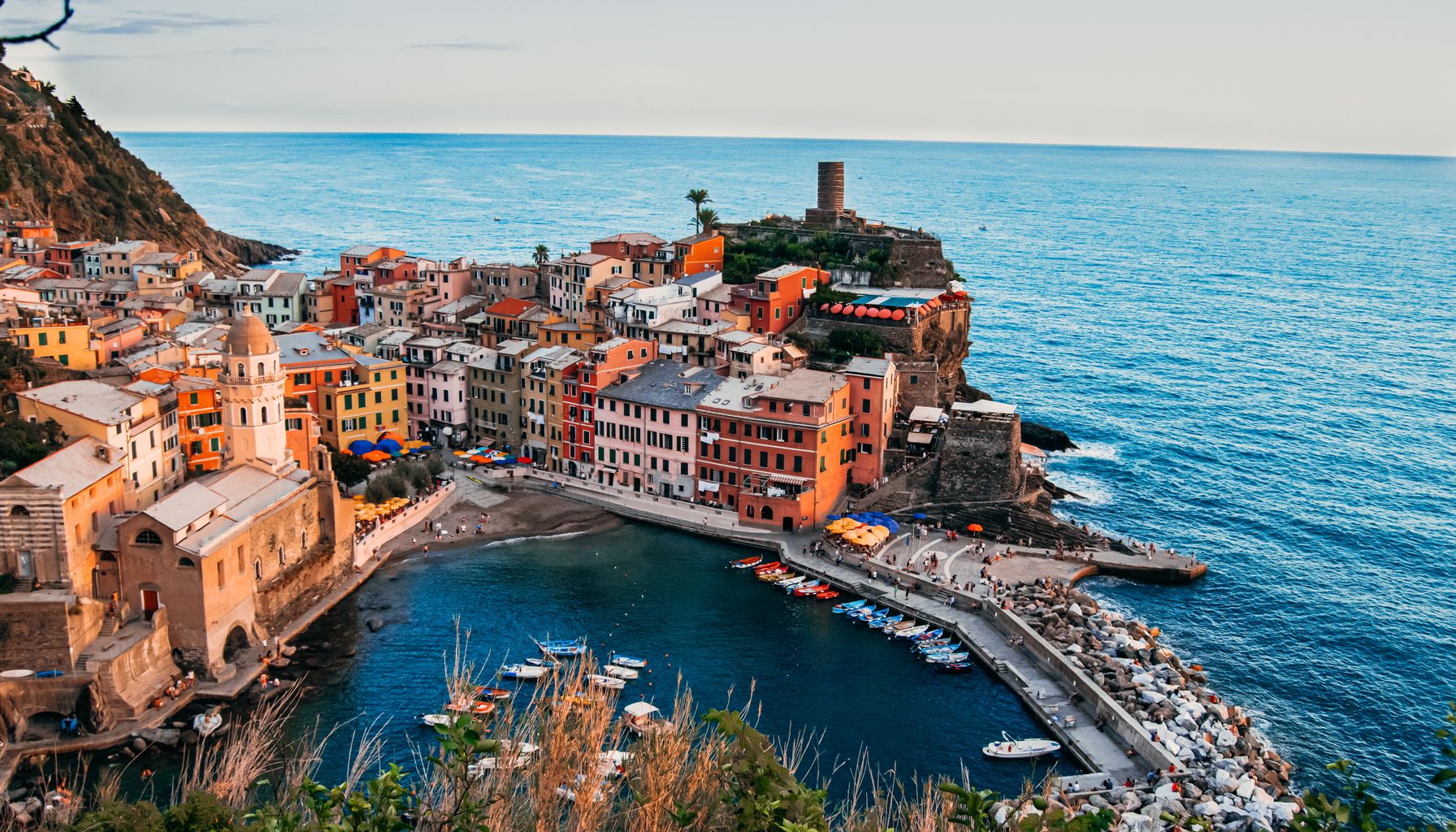
Tourism in Italy Hits Records in 2026
Category: news
Tourism in Italy registered a year of records in 2026, with widespread increases in visitor numbers, tourist spending, and hotel occupancy in urban and regional destinations, according to official data and local authority reports.
Official 2026 figures and comparison with 2025
According to the Italian National Institute of Statistics (ISTAT) and the national tourism promotion agency ENIT, 2026 was a year of full recovery and new records in key sector indicators: arrivals of tourists, overnight stays, and tourist spending. Reports from tourist city administrations (such as Rome, Venice, and Florence) and regions with strong coastal and viticultural appeal confirm rises in hotel occupancy and tourist spending throughout the year.
- Sources consulted: ISTAT (istat.it) and ENIT (enit.it), in addition to the press releases of the cited municipalities.
- Reading official graphs: ISTAT’s monthly bulletins show peaks in spring and summer, while ENIT’s annual report highlights the increase in average spending per visitor and the diversification of tourists’ origins.
- Economic impacts: Northern and Central regions — with strong cultural and enogastronomic offerings — recorded the greatest revenue impacts from tourism, while destinations in the South and on the islands showed expressive percentage growth in the high season, according to regional balances.
These data reflect both post-pandemic recovery and trends created by new forms of work and tourist consumption throughout 2026.
Most visited cities in 2026 and visitor profiles
In 2026, traditional tourism capitals sustained leadership in lists of most-visited cities, with significant growth in international and domestic flows. Local sources (municipalities and tourism observatories) point to Rome, Venice, Florence, and Milan among the destinations with the highest traffic, followed by smaller cities that gained visibility thanks to thematic routes and events.
- Visitor profiles: beyond traditional tourists, there was a notable rise in digital nomads and travelers seeking local experiences (experiential tourism). ENIT reports indicate longer average stays in less central destinations, with visitors interested in gastronomy, wines, and active tourism.
- Trends: experiential tourism and slow travel benefited cities and rural areas, partially easing pressure on the big centers.
- For local analyses, see municipal communications and regional monitoring; for general context on tourism and life in the country, consult our guide [/turismo] and reports in [/noticias].
The diversification of visitor profiles changed demand for accommodations and services, favoring independent accommodations, rural lodging, and mid-stay solutions.
Cuisine and culture as drivers of tourism
Gastronomy and culture continued to be central drivers of tourism growth in 2026. Trade fairs, gastronomic festivals, wine weeks, and cultural events in major cities attracted international and domestic audiences.
- Events that boosted flow: fairs, film festivals, gastronomic weeks, and large wine showcases played a relevant role, according to municipal press notes and regional event calendars.
- Thematic routes in demand: itineraries through historic cities, coastal villages, and wine regions (such as Chianti and Prosecco areas) registered higher demand. Promotion of these routes was highlighted in ENIT reports and local campaigns.
- The role of gastronomy: eno-gastronomic experiences — cooking classes, market tours, and visits to producers — increased average stays and spending per visitor. For articles on cuisine and culture, also see [/culinaria] and [/cultura].
These attractions contributed to dispersing part of the tourism away from traditional hubs, expanding the tourism calendar throughout the year.
Sector challenges and sustainability
Growth brought operational and social challenges: capacity, infrastructure, and operating costs were focal points in 2026.
- Capacity and infrastructure: some cities faced pressure on public transport, hotel supply, and urban services during seasonal peaks, according to municipal reports.
- Costs and local economy: rising prices in accommodations and services affected residents and local visitors, fueling debates about regulating tourist accommodations.
- Sustainability: there were intensified public and private initiatives aimed at responsible tourism, flow management, and heritage protection. Visitor distribution programs throughout the year and incentives for secondary destinations were implemented in several regions.
- Prospects for 2027: tourism experts consulted on networks anticipate continued demand, with attention to visitor management policies and infrastructure investments. For news and analysis on sector evolution, follow [/noticias].
These challenges require coordination between the State, regional governments, and private sectors to reconcile growth with local quality of life.
Planning efficient visits in peak season
For those planning to travel to Italy during busy periods, some strategies help optimize the experience.
- Planning: book accommodations and tickets for attractions in advance. In highly sought-after destinations, museum and monument tickets sell out quickly.
- Accommodation: considering neighboring cities or less central regions can reduce costs and offer authentic experiences. See options for rural or mid-length stays.
- Transport: combine train and regional transport; in many cases, regional trains and advance tickets ensure savings and flexibility.
- Tickets and access: purchase official skip-the-line tickets or buy directly at monument ticket offices to avoid unauthorized intermediaries.
- For Brazilian citizens of Italian descent: consider personal documentation, residency possibilities, and entry rules as per the consulate. Watch for legislative changes related to Italian citizenship: after Decreto Tajani (DL 36/2025, converted into Law 74/2025) consular pathways became limited to children and grandchildren of Italians, and administrative recognition at the comune became non-viable for foreign residents seeking jure sanguinis in most cases; judicial routes remain available. Cases filed before the decree’s entry into force are protected by the decree’s text. Consult official sources and specialized legal counsel for updated guidance.
- Useful content on the portal: practical guides and articles in [/turismo] and reports on local life in [/vida-na-italia].
Planning ahead and prioritizing destinations and experiences outside the main hubs helps maximize the trip and reduce impact on the local community.
Conclusion The year 2026 marked a new benchmark for tourism in Italy, with record arrivals and spending and greater diversification of visitor profiles. At the same time, growth intensified the need for sustainable policies and practices to manage flows, strengthen infrastructure, and preserve cultural heritage. To follow developments and official data, consult ISTAT, ENIT, and updates in our [/noticias] and [/cultura] sections.