Leonids: Meteor Shower Peak on November 17
The Leonids, November's meteor shower, will peak on November 17; a Mars–Jupiter conjunction visible on November 16, according to UAI and astronomers.
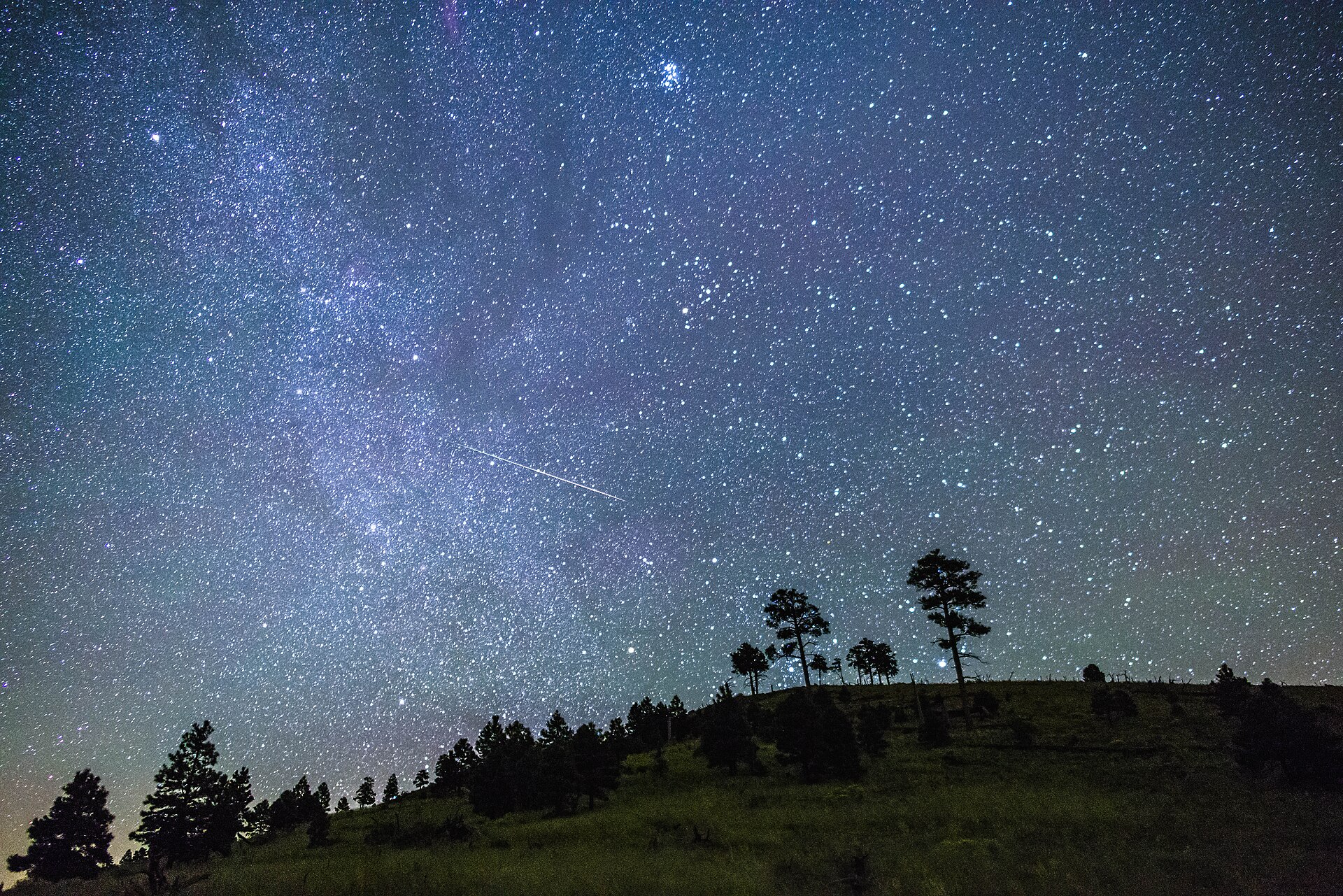
The Leonids will peak on November 17 and can be seen if the sky is clear, according to ANSA and Italian astronomical organizations.
Phenomenon overview: Leonids, November meteor shower
The Leonids are one of the best-known meteor showers of the year, generated by debris from the comet Tempel–Tuttle, according to Unione Astrofili Italiani (UAI) and reported by ANSA. The maximum activity — when the number of meteors observable per hour is highest — is expected for the night of Nov 17. Visibility will depend primarily on local weather conditions: clouds and rain can impede viewing even during the peak.
- Main period: mid-November.
- Peak: Nov 17 (night).
- Essential condition: clear sky and low light pollution for best viewing.
Anyone following news about Italy and science can check updates in sections such as Notizie della Italia and also everyday-life contexts in Vida na Itália.
Mars–Jupiter conjunction almost simultaneous
Almost simultaneously with the Leonids, there is a conjunction between Mars and Jupiter, with the greatest apparent closeness in the early hours of Nov 16, ANSA reported citing experts. The astrophysicist Gianluca Masi notes that the two planets appear near the constellation Leo and are currently separated by less than one and a half degrees in the sky — a small distance for the sky, visible to the naked eye as two nearby points.

The conjunction makes the nighttime observation even more appealing: in addition to the light risks posed by the Leonids, observers will be able to quickly locate the region of the sky where meteors tend to emanate, since the conjunction helps identify the area near the Leo.
Distances and technical context cited
Gianluca Masi also provided distance references to contextualize the scale of the Solar System during the event: Mars would be about 200 million kilometers away and Jupiter about 800 million kilometers, according to ANSA's coverage. These distances emphasize that the visual proximity (conjunction) is a line-of-sight matter from Earth, not a physical closeness between the planets.
The report also mentions the presence of Regulus, the bright star associated with the Leo constellation, which serves as a reference point to locate the celestial region where the meteor shower seems to radiate from. For observers who want to maximize the experience:
- Seek a location far from urban lights.
- Wait until your eyes adjust to the dark (20–30 minutes).
- Look toward the Leo region, but keep your peripheral vision to catch meteors crossing broad areas of the sky.
Technical information and supporting images are often published by groups such as the [Unione Astrofili Italiani] and by observatories; readers following Italy's scientific community can find calendars of astronomical events in official sources.
Relevance for Brazilians and descendants of Italians
The phenomenon is accessible to any observer in the Northern Hemisphere covered by the event, including residents of Brazil with favorable night skies. For the community of Brazilians with Italian ancestry who follow science and culture news from Italy, the Leonids and the Mars–Jupiter conjunction represent a simple, accessible opportunity for astronomical observation — without the need for sophisticated equipment, although binoculars or small telescopes improve the visibility of the planets.
- Following events like this helps bring together audiences interested in science and culture.
- For those traveling to Italy during this period, it’s an extra draw for nighttime itineraries and visits to observing sites outside cities.
Readers interested in practical topics about traveling between countries and the rights of residents in Italy can consult guides like the Citizenship in Italy section and follow national news in Notizie della Italia.
"The visibility of the Leonids and the conjunction depends on clear skies; clouds and rain can completely prevent observation," notes ANSA's coverage based on information from UAI and experts like Gianluca Masi.
Conclusion: the nights of November 16 and 17, 2026 may offer a double spectacle — the visual conjunction of Mars and Jupiter followed by the peak of the Leonids — provided the weather cooperates. For amateur observers and astronomy enthusiasts, it’s worth planning a trip to dark-sky locations and following updates from bodies like UAI.
Source: ANSA