Turin Reopens Via Roma as a Pedestrian Boulevard
After 1.5 years of work and €12 million invested, Turin transforms the historic Via Roma into a major pedestrian-only avenue in the city center.
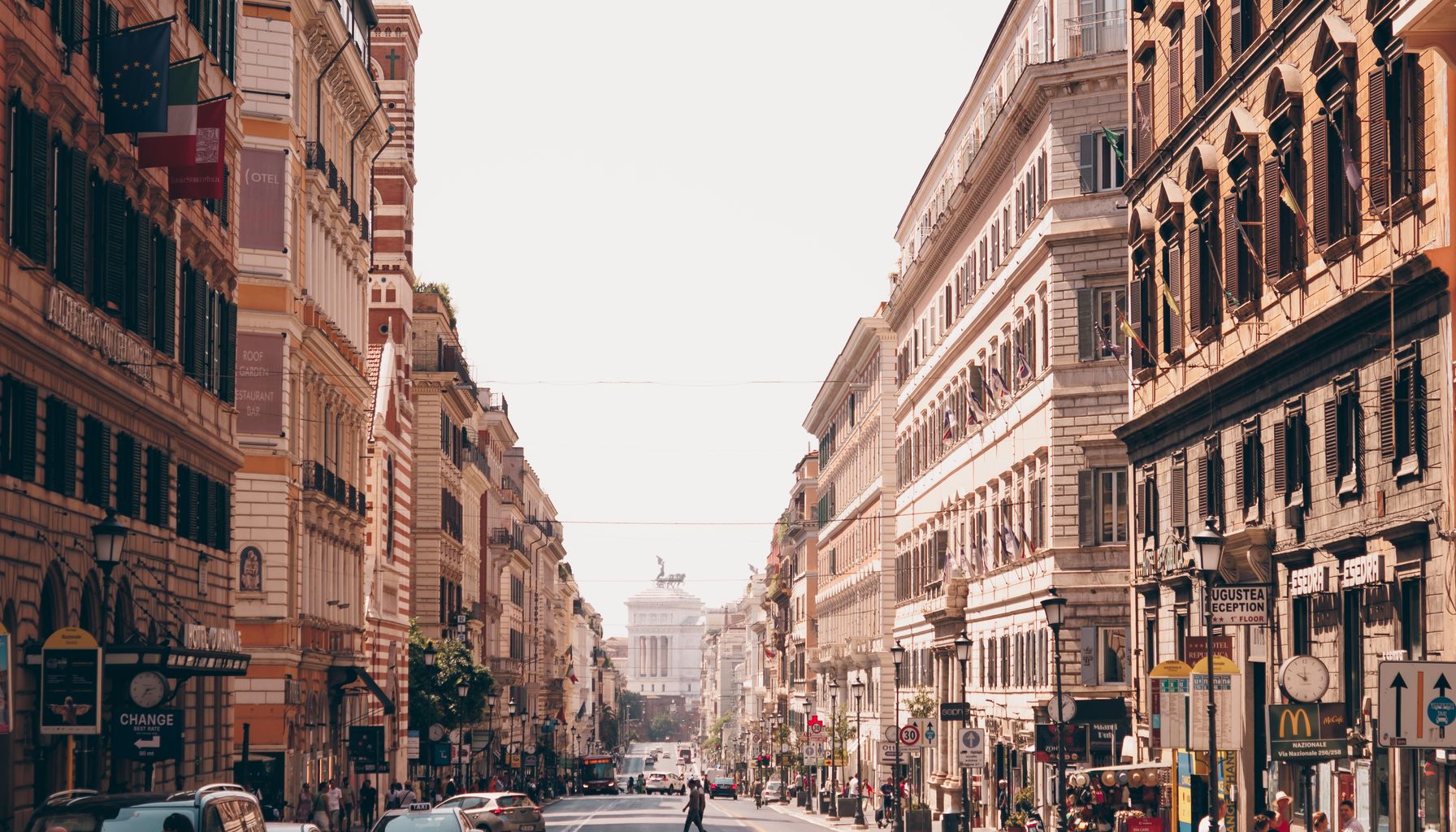
Turin reopened to the public on September 12 one of the most symbolic stretches of its historic center: Via Roma, now transformed into a grand pedestrian-only boulevard. After approximately one and a half years of construction, the avenue connecting Piazza Castello to Piazza Carlo Felice received new paving, expanded accessibility, and an urban design project that reinforces the commercial and tourist vocation of the city's central region, according to Comunità Italiana.
What Changed on Via Roma
The reopening marks the end of a long process of urban revitalization on one of Turin's most traditional axes. Via Roma connects two central points of the city — Piazza Castello and Piazza Carlo Felice — and is now free from vehicle traffic, which for decades shared space with pedestrians in the area.
According to Comunità Italiana, the new paving was leveled with the historic porticoes that line the avenue, eliminating level changes and architectural barriers that previously made it difficult for people with reduced mobility, elderly people, and families with strollers to move around. The result is a continuous, safer, and more accessible space that visually integrates Turin's classical architecture with the new urban design.
Investment and Project Objectives
The work received an investment of €12 million, from the European program PN Metro Plus 2021–2027, aimed at financing urban regeneration projects in major Italian cities. The revitalization of Via Roma is part of a broader strategy by Turin's municipal administration, which has been expanding pedestrian areas in the historic center in recent years.

According to Comunità Italiana, the prefect's objective is to strengthen local commerce without losing the region's traditional commercial character — Via Roma is known for housing historic shops, designer boutiques, and establishments that attract both residents and tourists. The avenue also connects directly to Piazza San Carlo, one of the most photographed and visited squares in the city, known for its historic cafés and baroque architecture.
Those who follow Italian News know that pedestrianization projects have become common in various Italian cities as part of sustainable urban mobility policies funded by European Union resources.
Reopening Celebration and Cultural Programming
The reopening of Via Roma was celebrated with a major public festival that mobilized the city's commerce and cultural scene. Approximately 100 commercial establishments participated in the celebrations, with special activities open to the public during the event.
The cultural program brought together more than 250 artists, involved in performances of music, dance, cinema, and other acts along the newly reopened avenue. One of the most striking moments of the celebration, according to Comunità Italiana, was the projection on the facades of the churches of Piazza San Carlo of images from more than 130 films that were shot in Turin over the decades — a tribute to the city's historic relationship with Italian cinema.
Why It Matters to Brazilians and Descendants
Turin holds a special place in the history of Italian immigration to Brazil. The city is the capital of Piedmont, a region that, alongside Veneto and Calabria, is among those that sent the most immigrants to Brazil between the late nineteenth and early twentieth centuries. Many Brazilians who today seek information about Italian Citizenship have family roots originating precisely in this region of northern Italy.
Beyond the historical connection, Turin maintains recent exchanges with Brazil, including partnerships with São Paulo in the areas of education and innovation, which strengthens the proximity between the two cities. The new pedestrian area on Via Roma adds to this set of factors as one more attraction for Brazilians who visit Italy in search of their roots — whether to walk through the historic center or to personally discover the city that saw so many families depart for Brazil.
For those planning a trip to the region or already living in the country, it's worth keeping up with news about urban mobility and transformations in major Italian cities in the Life in Italy section.
The reopening of Via Roma solidifies Turin as a city that invests in urban revitalization without sacrificing its historical identity — one more invitation for Brazilians descended from Italians to personally discover the birthplace of their origins.
Source: Comunità Italiana