Italian Gestures: Meaning and How to Use Them Naturally
Discover the meaning of common gestures in Italy and tips on how to use them correctly to avoid misunderstandings and sound more natural.
Discover the meaning of common gestures in Italy and tips on how to use them correctly to avoid misunderstandings and sound more natural.
AItalian communication blends verbal language and gesturality vividly; understanding the most-used gestures helps visitors or residents in Italy express themselves more naturally and avoid missteps. Below is a practical guide — with examples, regional variations, and tips for formal and informal situations.
What are Italian gestures and why they matter in communication
The Italian gestures are movements of the hands, arms, and head that accompany speech and often convey independent meaning. According to Treccani encyclopedia, gesturality is part of the Italian communicative culture as a semantic complement to speech (Treccani: https://www.treccani.it).
Why they matter:
- They add emphasis and emotion to what is said.
- They can communicate intention or reaction when words are lacking.
- They help prevent misunderstandings in social and professional interactions; know how to pair them with voice tone and facial expression.
Basic gestures: handshake, wave, fingers and joined hands
- Handshake: used in formal greetings; firm, but not overly strong. In informal meetings, it may be followed by a brief hug between acquaintances.
- Wave: ranges from a short motion to call attention to an open farewell wave. Context matters.
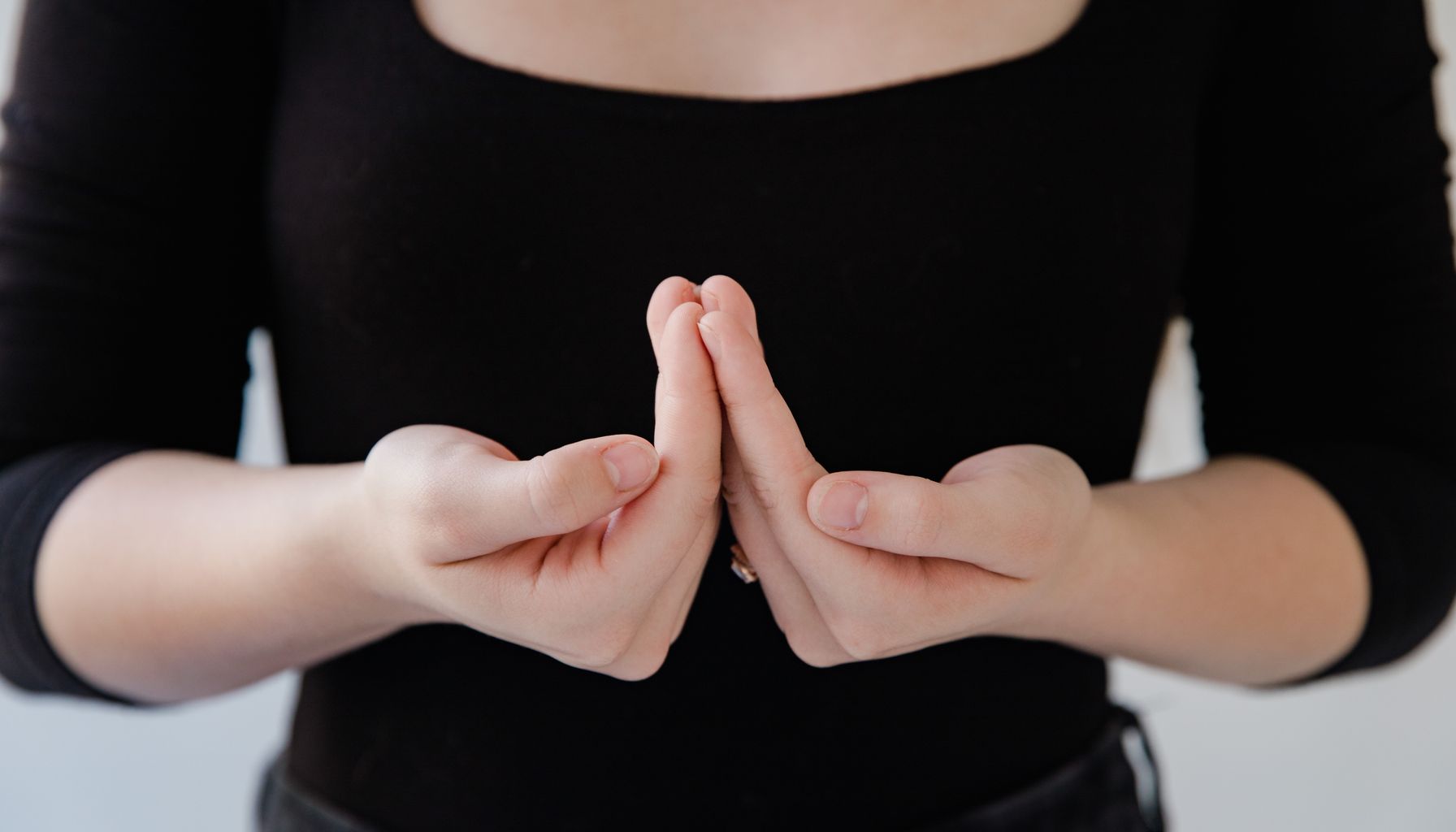
- Fingers and joined hands (mano a cucchiaio / mano a borsa): bringing the fingertips together to form a “cone” is a common gesture to ask “what do you mean?” or express perplexity. It is one of the most iconic gestures.
Approval and disapproval signals: how to vary tone and context
- Approval: smile, nod, and the “okay” gesture (thumb and index finger forming a circle) — caution: the “okay” sign can have different connotations by region or context.
- Disapproval: shake the head, raise a hand with palm out (like a stop) or the palm-down pushing gesture — all depends on tone of voice. According to reports from Corriere della Sera, tone and intensity are crucial for correct interpretation (Corriere della Sera: https://www.corriere.it).
Iconic gestures: palm-up, the "ma che dici?" signal, and the index finger
- Palm-up (open hand rising): often used to request explanation or to emphasize a polite request.
- "Ma che dici?" (cone hand, short up-and-down movements): expresses surprise, disbelief, or a request for clarification — one of the most characteristic signals.
- Index finger: pointing can be seen as rude; people typically point with the whole hand or with the chin when possible.
When to avoid certain gestures to avoid sounding offensive
- Avoid pointing directly at people; replace with a more open gesture.
- Gestures with regional or historical connotations (certain obscene signals) should be known before use.
- In formal contexts, reduce the intensity and frequency of gestures to avoid seeming scandalous.
Regional differences: nuances between the North and South of Italy
- In the South (e.g., Naples), gesturality tends to be more expansive and expressive; larger and more frequent movements.
- In the North (e.g., Lombardy), expression may be more restrained and direct. Cultural research and articles emphasize these regional differences; interpreting the local level of gesturality helps adapt communication (see cultural analysis in The Local Italy: https://www.thelocal.it).
How to pair gestures with facial expressions and tone
Isolated gestures can be confusing; combine them with:
- Facial expressions: eyebrows, smile, and eye contact provide emotional context to the gesture.
- Voice tone: the same action (e.g., palm-up) conveys a different message if delivered with ironic, serious, or playful tone.
- Pauses: pauses before the gesture increase message clarity.
Formal vs. informal situations: meetings, restaurants, and tourism
- In formal meetings, opt for restrained gestures: handshake, moderate waves, and light indicative gestures.
- In restaurants and informal gatherings, more expansive gestures are acceptable and natural in conversation.
- Tourists: observe and lightly mirror local body language to avoid faux pas; be cautious when reproducing gestures you have not mastered yet. For those moving to or living in Italy, texts about life in Italy can help understand day-to-day culture.
Practical examples: short phrases to accompany gestures
- Mano a cono + inquisitive look: “Ma che dici?” (“What are you saying?”)
- Open palm up + calm tone: “Puoi ripetere, per favore?” (“Could you repeat, please?”)
- Head tilt + light nod: “Sì, certo.” (“Yes, of course.”)
Common errors to avoid: overlap of gestures with verbal language
- Don’t repeat the same gestures constantly; it can come across as affected.
- Avoid gestures that conflict with speech (e.g., saying “yes” while nodding negatively).
- Respect personal space: gestures too close to the face or interlocutor’s body can be uncomfortable.
Reading others’ reactions and adjusting the gesture
- Observe facial expression and posture: pressed lips, body recoiling, or distant gaze indicate discomfort.
- If you sense a negative reaction, reduce intensity or stop the gesture and briefly apologize.
Safe practice: simple exercises to improve nonverbal communication
- Record simulated conversations and review the naturalness of gestures.
- Practice in front of a mirror pairing sentences with different gestures.
- Watch videos of native speakers in interview or news programs and note patterns — useful for cultural immersion without living in Italy (see also news from Italy and reports on behavior).
Conclusion Italian gestures are a powerful communication tool: when used well, they enrich expression and bring people closer; when misused, they can cause misunderstandings. The best practice is to observe, modulate intensity to the context, and combine gesture, face, and voice to communicate clearly and naturally.