Census Shows RS Cities with Record Concentration of Italian Surnames
2022 Census data reveals that Rossi and Ferrari surnames account for up to 3.2% of the population in Serra Gaúcha cities marked by Italian immigration.
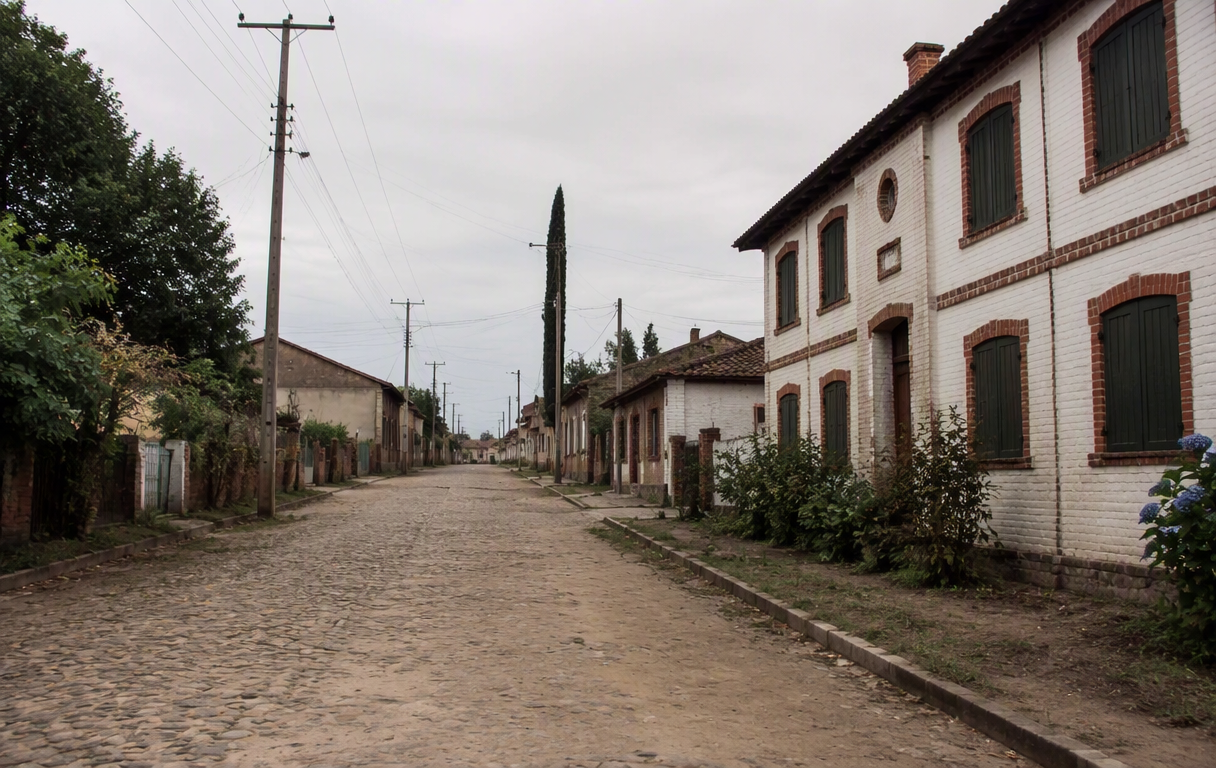
Cities in Serra Gaúcha register some of the highest concentrations of Italian surnames in Brazil, according to a report from the Italianismo website, which analyzed public data on surname distribution by municipality. In Nova Roma do Sul, Rio Grande do Sul, the surname Rossi would have significant presence in the local population, according to the survey — one of the highest rates cited by the report for a foreign-origin surname in a single municipality.
What the Survey Reveals
According to Italianismo, the analysis of public data on names allows observation of surname distribution by municipality across the entire national territory. According to the publication, the survey reinforces how Italian colonization, which began over a century ago, still shapes the population composition of cities in Southern Brazil. It is important to note that the specific numbers cited below are sourced from the Italianismo report and have not been independently verified against IBGE primary databases.
According to Italianismo, in Nova Roma do Sul the surname Rossi would appear among the surnames of a significant portion of residents — a high proportion considering the diversity of surnames normally found in any Brazilian municipality. Already in Pinto Bandeira, a district in the Bento Gonçalves region, the surname Ferrari would represent a relevant share of the local population, according to the same source. In Pouso Novo, also in Rio Grande do Sul, the same surname would account for a similarly high proportion of inhabitants, according to the survey cited.
These numbers, as disclosed by Italianismo, confirm a pattern already known to immigration historians: small municipalities, formed from Italian colonies established at the end of the 19th century, concentrate specific surnames in proportions far above the national average. For those following News from Italy and the legacy of immigrants in Brazil, the data reinforces how certain families settled and multiplied in delimited territories, often without dispersing to other regions of the country.

The Mark of Italian Immigration in Daily Life
The Italian presence in these cities is not limited to the statistics mentioned. According to Italianismo, restaurants, wineries, and tourist attractions in Serra Gaúcha frequently carry family names such as Baggio, Santi, and De Bastiani, honoring the first colonizers who arrived in the region mainly from Veneto, Lombardy, and Trentino.
Italian surnames also appear in local political life. In the City Council of Nova Roma do Sul, for example, it is common to find representatives with surnames of Italian origin, reflecting the predominantly Italian composition of the municipality's population. This phenomenon repeats itself in various cities in the region, where surname heritage becomes cultural identity and even political capital.
Historical and parish records from the end of the 19th century — the period when Italian immigration to Rio Grande do Sul intensified — mention, according to the cited report, families such as Dalla Costa, Fioravanzo, Vanin, and Cavalli among the first colonists to establish themselves in colonies that would later give rise to current municipalities. The recurrence of these names in historical accounts suggests generational continuity of these families in the same territory over more than a hundred years.
Why This Matters for Descendants
This type of survey, even with data that still lacks verification from official primary sources, concretely illustrates how Italian immigration over a century ago helped shape entire regions of Southern Brazil, creating municipalities where Italian ancestry is quite present.
For Brazilians descended from Italians seeking to reconstruct their family tree, this type of information can serve as a starting point. Knowing that a surname like Rossi or Ferrari has reported concentration in a particular municipality can help direct research on family origin, especially when few records are available at home — always cross-referencing these clues with historical documents, church records, and immigration books before beginning any process related to Italian Citizenship.
Those in this research phase can also turn to certificate searches in Italy, a fundamental step to locate documents of Italian ancestors in comuni of origin — often the same regions of Veneto, Lombardy, and Trentino that sent colonists to Brazil. Understanding the trajectory of these families also helps explain aspects of Life in Italy of that era, including the reasons why so many families left the country for Brazil.
This type of report reinforces a chapter of Brazilian history that many Serra Gaúcha families already knew empirically: Italian presence there is not only cultural but also demographic and persistent more than a hundred years after the arrival of the first immigrants — although the specific numbers cited here should be treated as estimates from a report, not as official certified IBGE data.
Source: Italianismo