Gastronomic Festivals in Italy: What They Are and When They Happen
Discover what sagre are, how Italian gastronomic festivals work, and the times of year they typically occur in Italian cities and villages.
Meta description: Discover what sagre are, how Italian gastronomic festivals work, and the times of year they typically occur in Italian cities and villages.
As sagre — local gastronomic festivals — are central events in the life of small towns and villages in Italy, dedicated to a typical product or to a culinary tradition. They bring residents and tourists together around food, music, and community identity, offering a living sample of Italian gastronomy and culinary tourism in the country.
What sagre are: definition, origins, and format
Sagre are local celebrations focused on a food product (such as wine, olive oil, truffles, or cheese) or a traditional recipe, organized by the community, local associations, or the comune. According to the Touring Club Italiano, they are events that combine religious festival, agricultural fair, and popular celebration, with a strong gastronomic component (source: https://www.touringclub.it).
Historical origins: many sagre derive from agricultural traditions and religious rituals marking harvests, patron saint festivals, or seasonal celebrations. These festivals originally served as moments of socializing after fieldwork and as ways to preserve local recipes and knowledge. Documents and local chroniclers record sagre dating back to earlier centuries, especially in regions with strong rural traditions.

Common format: a typical sagra includes:
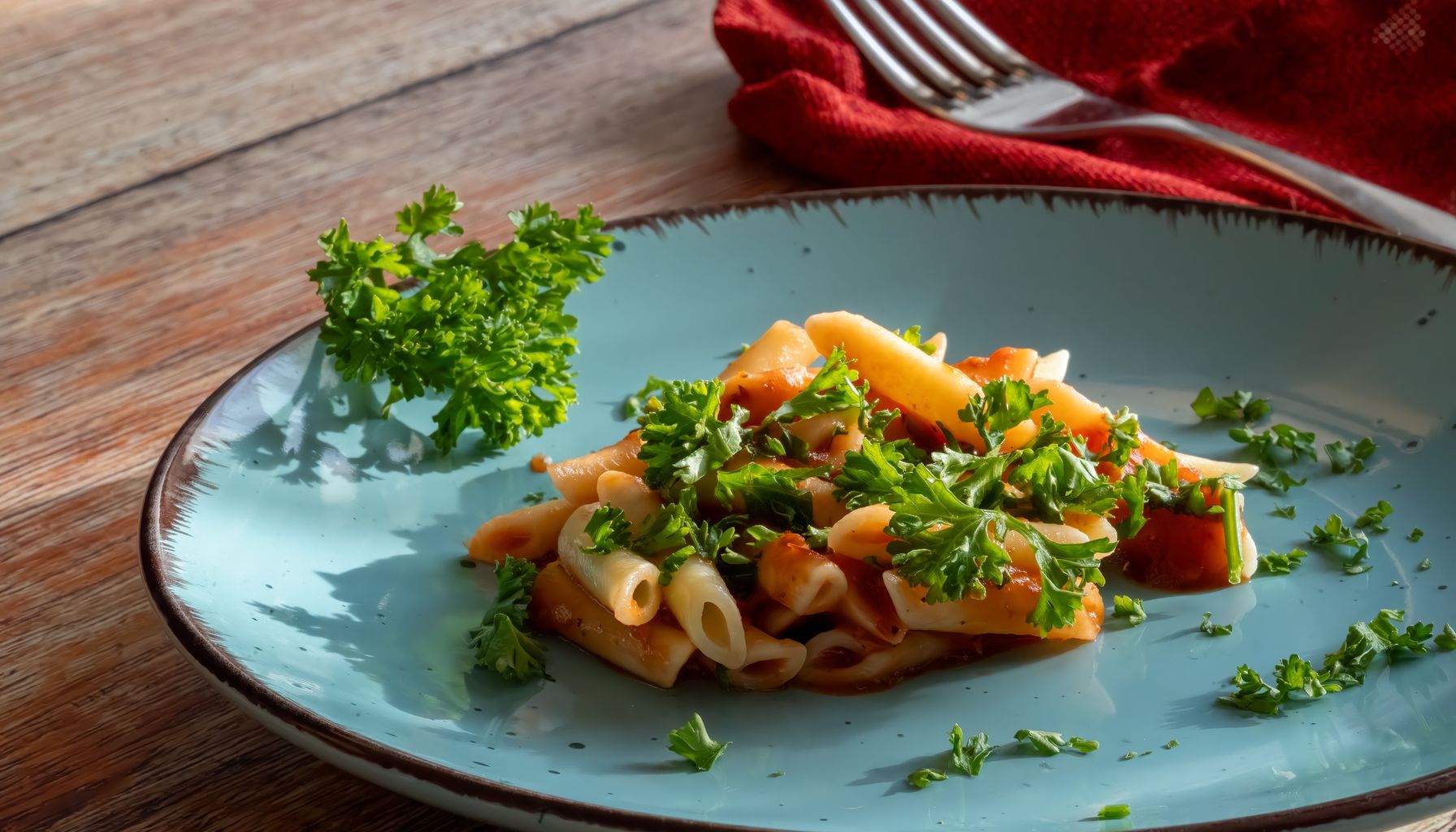
- stalls and communal kitchens serving traditional dishes;
- tastings of the focal product (wine, olive oil, cheeses, truffles, etc.);
- live music, parades, and, in some areas, fireworks;
- producer fairs and local crafts.
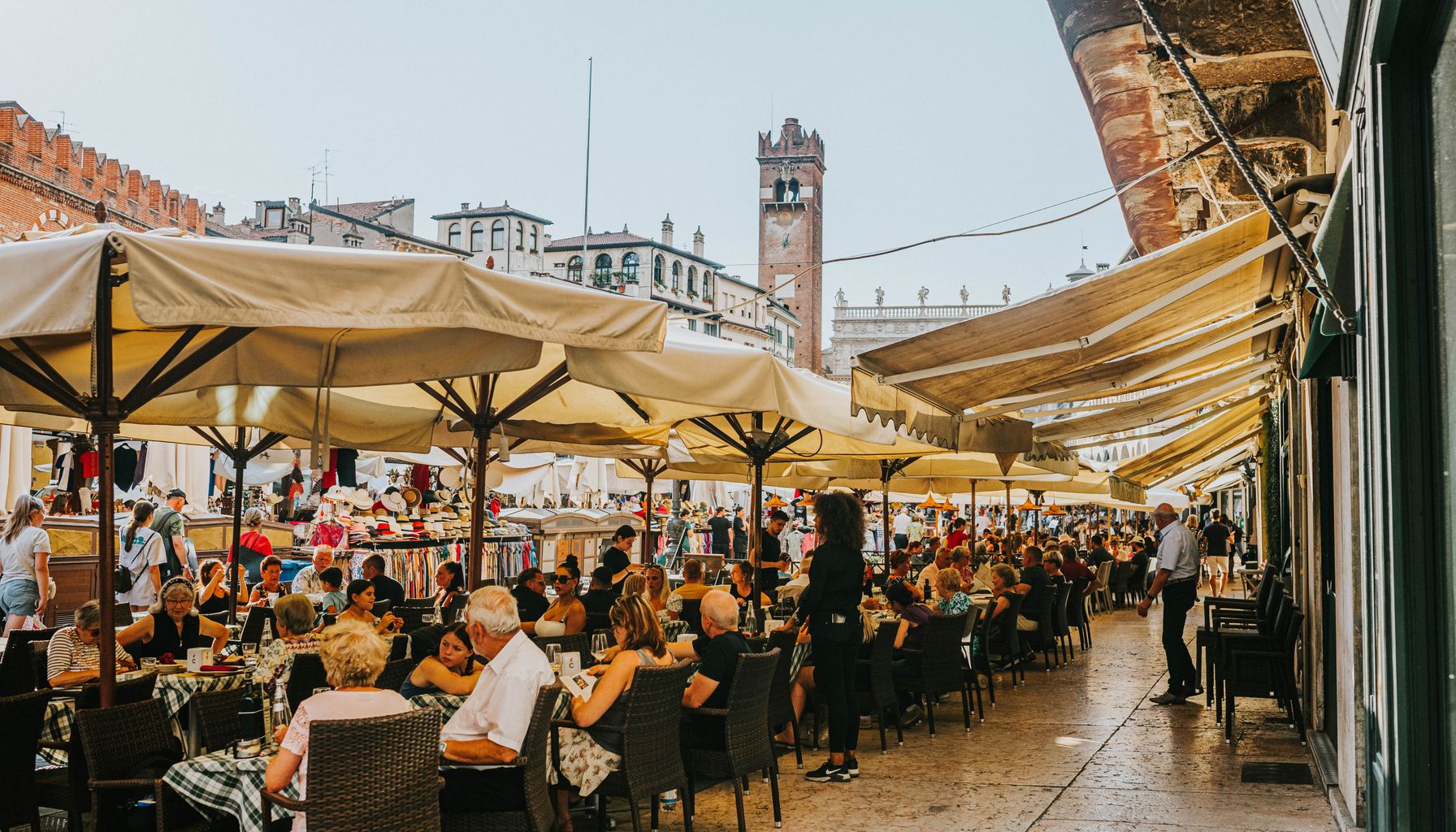
The structure usually centers in main squares, public gardens, or municipal halls, with clearly defined opening hours for lunch and dinner.
When they take place and which products are celebrated
Sagre follow a seasonality tied to the agricultural cycle: they are more concentrated from spring to autumn, when the local product supply is greater. According to ENIT (Agenzia Nazionale del Turismo), many regional events cluster between April and October, though there are specific festivals in winter for products like chestnuts and truffles (source: https://www.enit.it).
Main celebrated products:
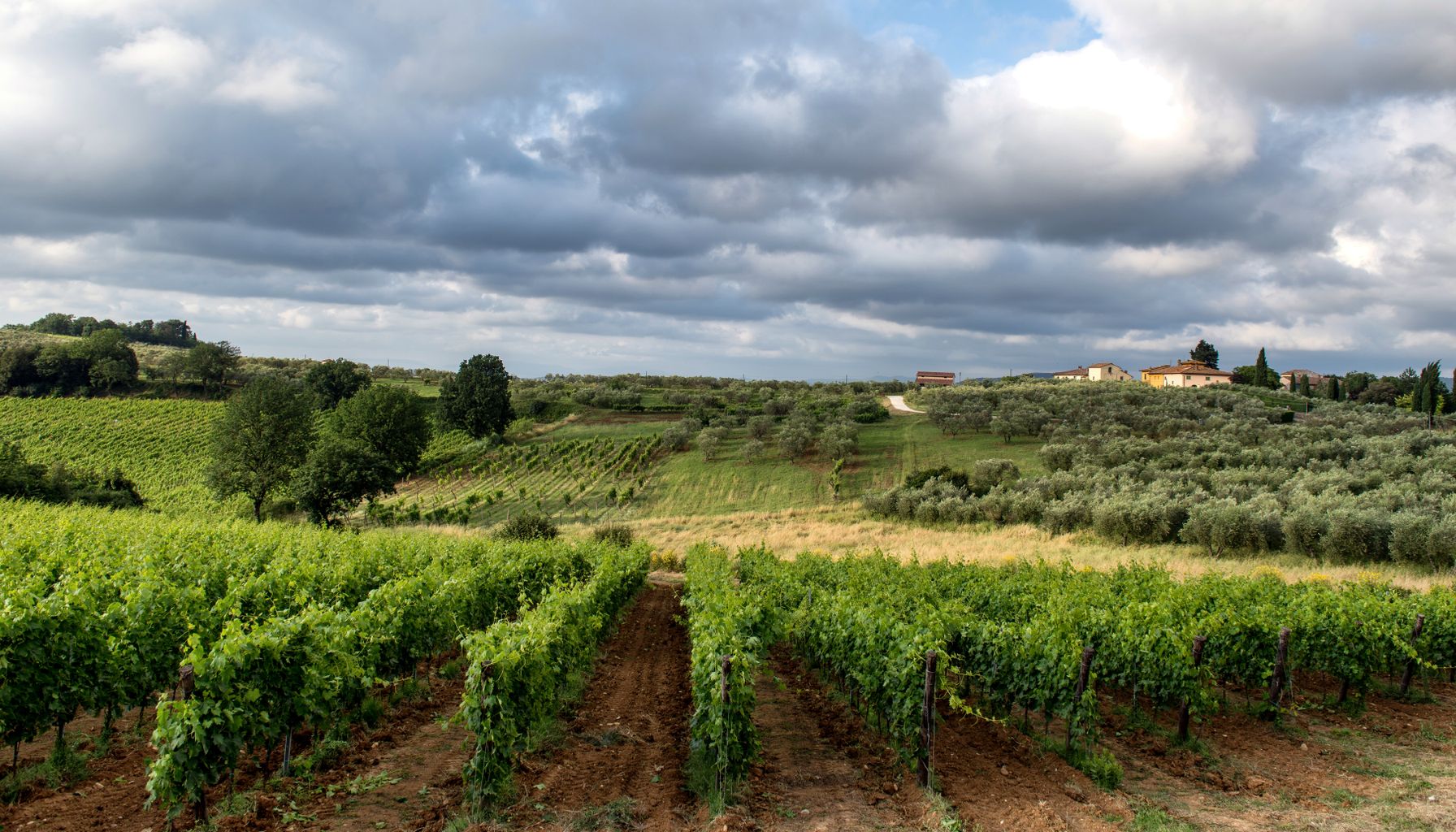
- wine and grape harvests (September/October);
- new olive oil (October/November);
- truffles (autumn/winter, depending on the region);
- cheeses and cured meats;
- mushrooms and fungi;
- seafood in coastal towns;
- local sweets and desserts at patron festivals.
Local setups: events occur at open-air fairs, central squares, and municipal markets; in bigger towns, stages and pavilions may be erected to accommodate crowds and exhibitors.
How to find and participate in a sagra
Where to look for information: local guides, regional tourism official sites, and city council pages (comune). Additionally, social media and local groups share calendars and last-minute updates. National portals and travel magazines often compile sagre calendars by region (e.g., Touring Club, ENIT, and local newspapers like Corriere della Sera frequently publish seasonal guides; see https://www.corriere.it).
Practical tips for participation:
- check opening hours and whether a reservation or paid admission is required;
- arrive early to avoid lines at the most popular stalls;
- bring cash, though many events accept cards;
- respect local waste disposal and recycling rules;
- when tasting wines, moderation is key and plan safe transportation back.
For Brazilian descendants visiting Italy, sagre offer a chance to taste traditional dishes and talk with local producers — a direct way to connect family heritage with contemporary Italian cooking. For those planning to trace roots and travel tied to Citizenship Italian, pairing family gatherings with a sagra can enrich the cultural experience.
Regional variations, impact, and practical suggestions
Regional variations: in the North sagre often highlight Alpine cheeses, regional wines, and risottos; the Center has a strong presence of truffles, olive oil, and traditional pastas; the South and the islands emphasize seafood, citrus products, and local desserts. The way of celebration also varies: inland areas emphasize communal and religious character; in tourist areas there is more infrastructure to welcome visitors.
Economic and social impact: sagre attract seasonal tourism, generate income for artisanal producers and temporary jobs, and contribute to the preservation of local recipes and techniques. At the same time, municipal authorities and associations work to balance tourist influx with residents’ quality of life, a theme frequently covered in regional reports and analyses (see coverage in regional newspapers and in Notícias).
Suggestions of sagre to calendar visits (general planning examples):
- harvest and wine festivals: late summer and autumn;
- new olive oil festivals: October/November;
- truffle fairs: autumn/winter;
- seafood sagre: summer in seaside villages;
- chestnut and chocolate events: autumn/winter. Check regional calendars and the comune pages for exact dates and confirmations.
Travel planning and responsible participation
Best times: spring and autumn are ideal to combine sightseeing, mild weather, and a higher offer of sagre. August tends to be peak tourist season, especially in coastal regions, and some local sagre occur on fixed dates tied to patron festivals.
How to participate responsibly:
- respect local hours and areas reserved for residents;
- consume local products to support small producers;
- minimize waste: use reusable containers when possible;
- check accessibility and public transportation to avoid excessive traffic in villages.
Conclusion Sagre are an essential part of the Italian experience: they represent the intersection of Italian gastronomy, community tradition, and cultural tourism. For those seeking to know Italy beyond the usual itineraries, gastronomic festivals offer a living portrait of flavors, know-how, and local bonds, becoming a highlight of any food-and-culture‑focused trip. For more information about life and culture in the country, see our sections on Italian Cuisine and Life in Italy.