Valles Marineris Still Tectonically Active, Shaking Mars
InSight data show Valles Marineris, the Solar System’s largest canyon, remains tectonically active; Imperial College study published in Nature Communications.
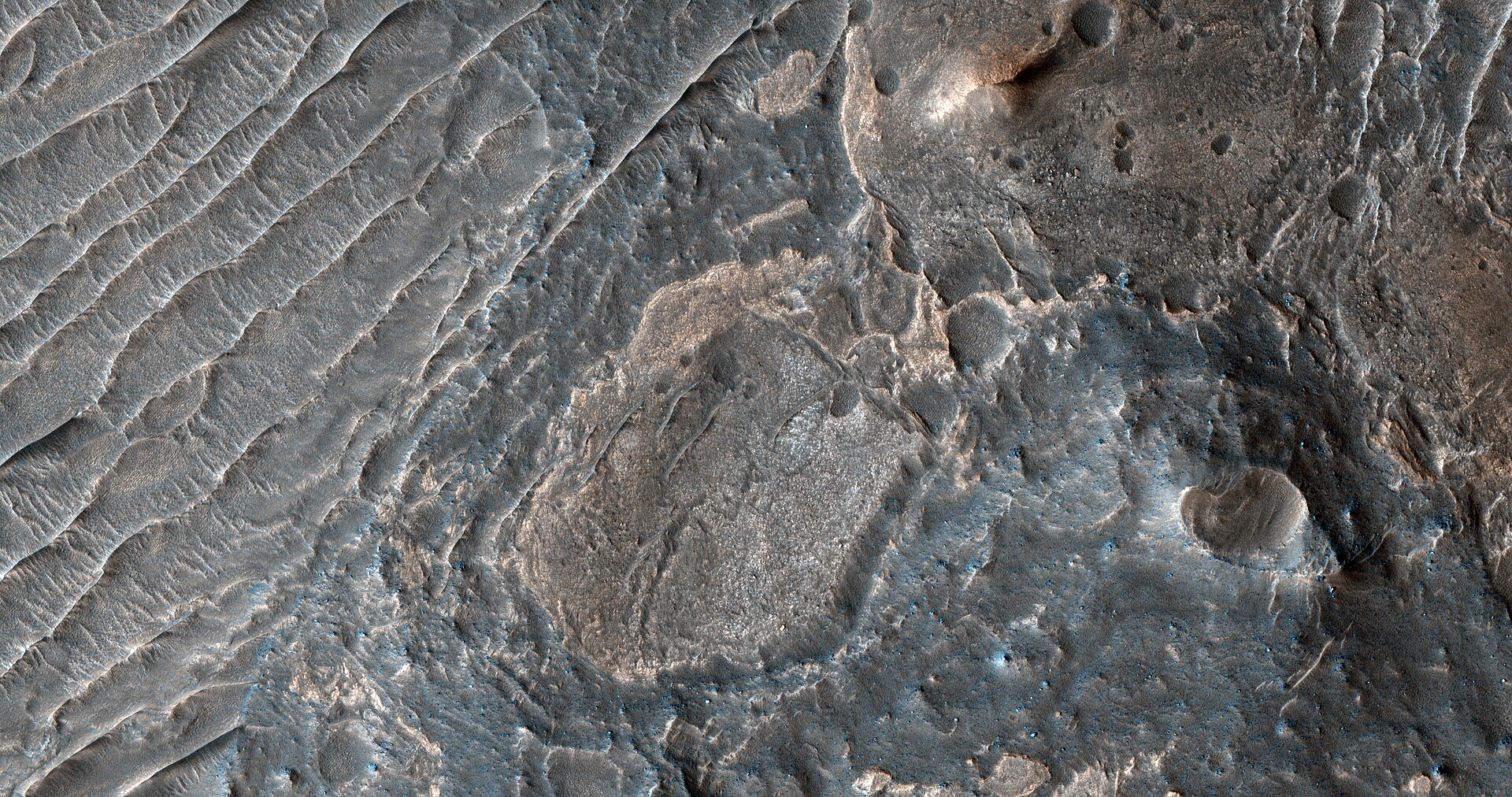
meta description: InSight data show Valles Marineris, the Solar System’s largest canyon, remains tectonically active; Imperial College study published in Nature Communications.
Data from the InSight lander indicate that the gigantic canyon Valles Marineris remains tectonically active, according to ANSA's report on a study led by Imperial College and published in Nature Communications.
Summary of the discovery
Researchers led by Imperial College London concluded that Valles Marineris, the Solar System’s largest canyon, located near the equatorial region of Mars, continues to exhibit tectonic activity even after billions of years since its formation, according to ANSA. The evidence is based on the analysis of a Martian tremor recorded by NASA’s InSight lander, which allowed the researchers to reconstruct the event’s mechanism and locate its origin in the canyon region.
Data and methodology: InSight and the August 25, 2021 marsquake
The main evidence came from the seismic records of the InSight lander, which detected a Martian earthquake on August 25, 2021. The researchers used the amplitude and direction of seismic waves captured by the mission’s seismometer to reconstruct the event’s characteristics and infer the presence of active faults in the affected area.
- The study analyzed properties of P-waves and S-waves and the polarization of seismic phases to estimate the location and the mechanics of the tremor source.
- The data interpretation combined seismic modeling with pre-existing geological knowledge about the structure of Valles Marineris.
The combination of these techniques allowed the authors to attribute the tremor to local tectonic activity, rather than other possible mechanisms (such as meteorite impacts), as detailed in the publication.

Characteristics of Valles Marineris
Valles Marineris is a system of valleys that stretches for almost 3,900 km, with a maximum width of about 600 km and a depth exceeding 9 km, making it incomparably larger than Earth formations. To compare with the Grand Canyon:
- It is about 9 times longer,
- 20 times wider,
- and roughly 5 times deeper.
These dimensions help explain why detecting tectonic activity at that site has a significant impact on our understanding of Mars’ geological evolution.
Publication and scientific context
The results were published in the scientific journal Nature Communications. According to ANSA, the study broadens the body of evidence gathered by InSight, which had already identified active faults in other Martian regions. The new analysis places Valles Marineris among the areas of the planet where there are direct signals of contemporary tectonic deformation.
This discovery represents a step forward in planetary seismology techniques, showing that even a single seismometer, when properly interpreted, can provide crucial information about another planet’s internal dynamics.
Relevance for readers interested in space exploration
Confirming tectonic activity in Valles Marineris:
- expands understanding of geological processes on Mars and how these processes evolved over billions of years;
- highlights the value of missions like InSight, which deliver detailed data capable of reshaping old hypotheses;
- demonstrates international collaboration in space research, with European institutions like Imperial College contributing to the analysis of data from American missions.
Readers following science and technology can also relate this advance to broader topics, such as the development of instrumentation for future missions and the planning of robotic and human exploration.
Editorial context and further reading
International coverage of the discovery was provided by outlets such as ANSA, and the formal Nature Communications publication offers the technical details and methods used. For related content, see the science and technology sections of the site.
The detection of tectonic activity in Valles Marineris reinforces the image of Mars as a dynamically evolving body on geological timescales and opens the door to new seismic and geological investigations in upcoming missions.
Source: ANSA