Ultimo Fellini: A Docu on the Master’s Last Ten Years
Gianluigi Attorre's documentary uses Fellini's voice and testimony from Benigni, Scorsese and others; it screened at the Festa del Cinema di Roma.
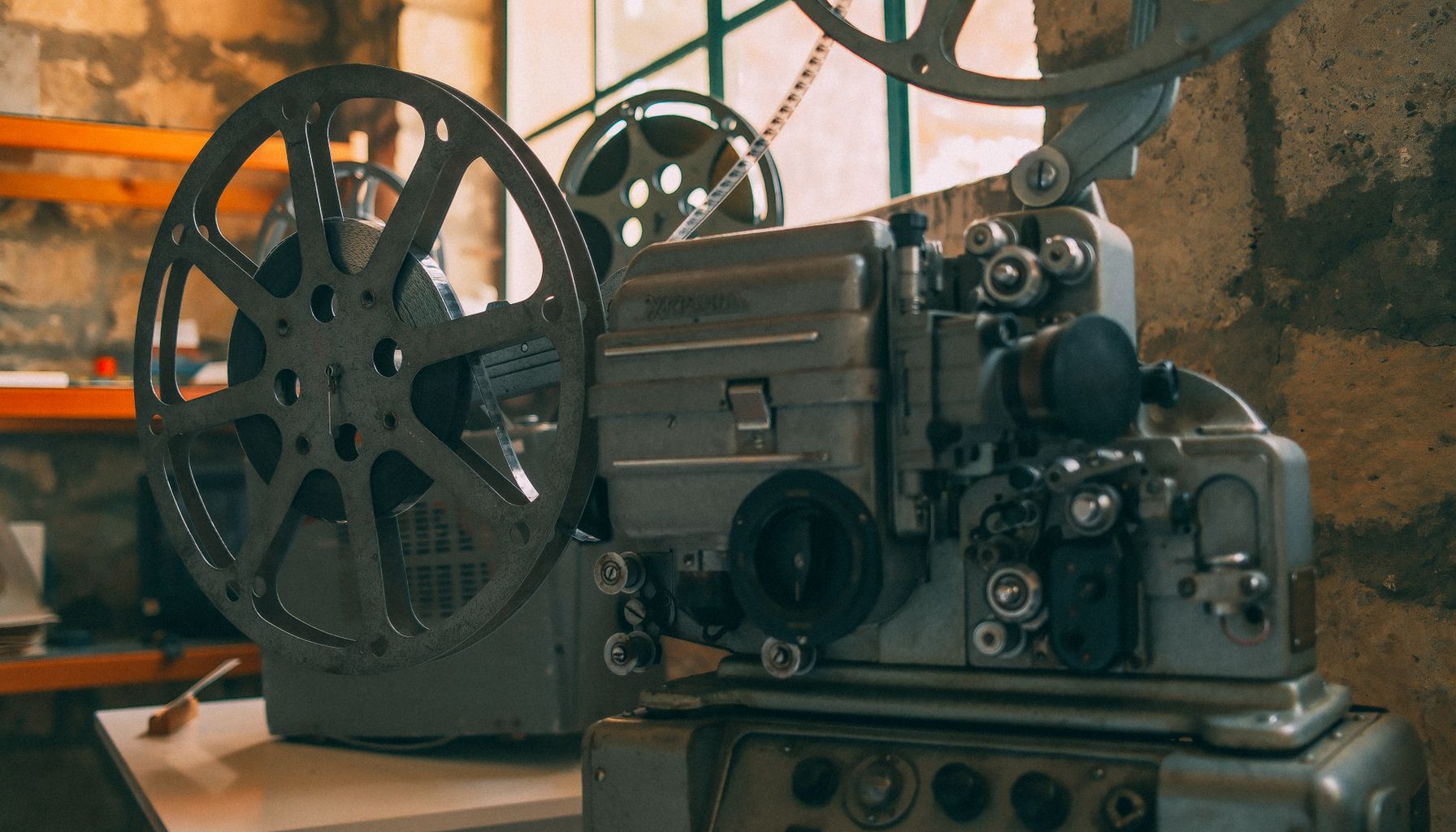
The documentary "Ultimo Fellini", directed by Gianluigi Attorre, portrays the last ten years of Federico Fellini's life through the director's own voice and unreleased archival material, and it was shown at the 21st edition of the Festa del Cinema di Roma, in the Special Screening section, shortly before the director's 33rd death anniversary, according to ANSA.
What is "Ultimo Fellini"
"Ultimo Fellini" is a non-fiction film signed by Gianluigi Attorre that seeks to reconstruct the last decade of Fellini's personal and artistic trajectory. The narrative combines audio and video clips from Fellini himself, as well as unreleased archival footage, creating a kind of dialogue between memory and archive. According to ANSA, the material offers an intimate panorama of the final phase of the master of Italian cinema, with emphasis on both biographical aspects and reflections on film creation.
Testimonials and witnesses in "Ultimo Fellini"
The documentary gathers testimonies from people who knew or followed Fellini during this period. Among the interviewees are Roberto Benigni, the cartoonist Milo Manara, critic Vincenzo Mollica, composer Nicola Piovani, producer Fiammetta Profili, and filmmaker Martin Scorsese. These accounts provide varied perspectives — personal, professional, and critical — on Fellini's last season of life and work, according to ANSA coverage. The presence of international names like Scorsese and central figures of the Italian scene reinforces the international and multidisciplinary character of the project.
Production and screening of "Ultimo Fellini"
The production is led by Atomic, with co-production from Rai Cinema and TNM Produzioni. The film was officially presented at the 21st Festa del Cinema di Roma, in the Special Screening section, in a session that dialogued with the public memory of the director, shortly before the 33rd anniversary of his death, as reported by ANSA. The festival screening — an event that brings together press, critics, and cinema enthusiasts — positions the documentary as a reference material for studies on Fellini's legacy and for cinematic and academic programming.

Relevance for Brazilians and descendants of Italians
Federico Fellini is a central figure in Italian cinema and an acknowledged influence for filmmakers worldwide; for this reason, "Ultimo Fellini" appeals to Brazilians and descendants of Italians interested in Italian culture, history, and cinema. The presence of Italian artists like Benigni and Manara, alongside international voices like Scorsese, highlights cultural exchanges that cross cinema — a point of interest for those following life in Italy and the cultural relations between Italy and Brazil. For readers who follow news about the country, the Festa del Cinema di Roma screening aligns with other cultural topics covered by the portal in /noticias and connects to debates on identity and artistic heritage explored in /vida-na-italia. Researchers and those interested in cultural citizenship can also relate the film to broader themes addressed in /cidadania, insofar as Italian culture is a reference for descendant communities.
What to expect from the film
"Ultimo Fellini" offers a sensitive listening experience: more than a chronological account, the documentary seeks to reconstruct atmospheres, hesitations, and images that marked the final period of Fellini's creative life. The combination of original voice, contemporary testimonies, and archival footage creates a mosaic that should appeal to cinema specialists as well as general audiences curious about the director's intimate artistic world.
"Ultimo Fellini" was presented at the 21st Festa del Cinema di Roma, in the Special Screening section, in a moment close to the 33rd anniversary of Fellini's death. — according to ANSA
Conclusion: Gianluigi Attorre's documentary offers a new window into the last years of Federico Fellini, bringing together archival material and weighty testimonies that reaffirm the director's ongoing importance in both Italian and international cultural landscapes.
Source: ANSA