Milan: New Clashes and Over 200 Detained in Looting Wave
Clashes return to central Milan with looted shops; over 200 detained (about 80% minors). PM Meloni convenes a security summit after the incidents.
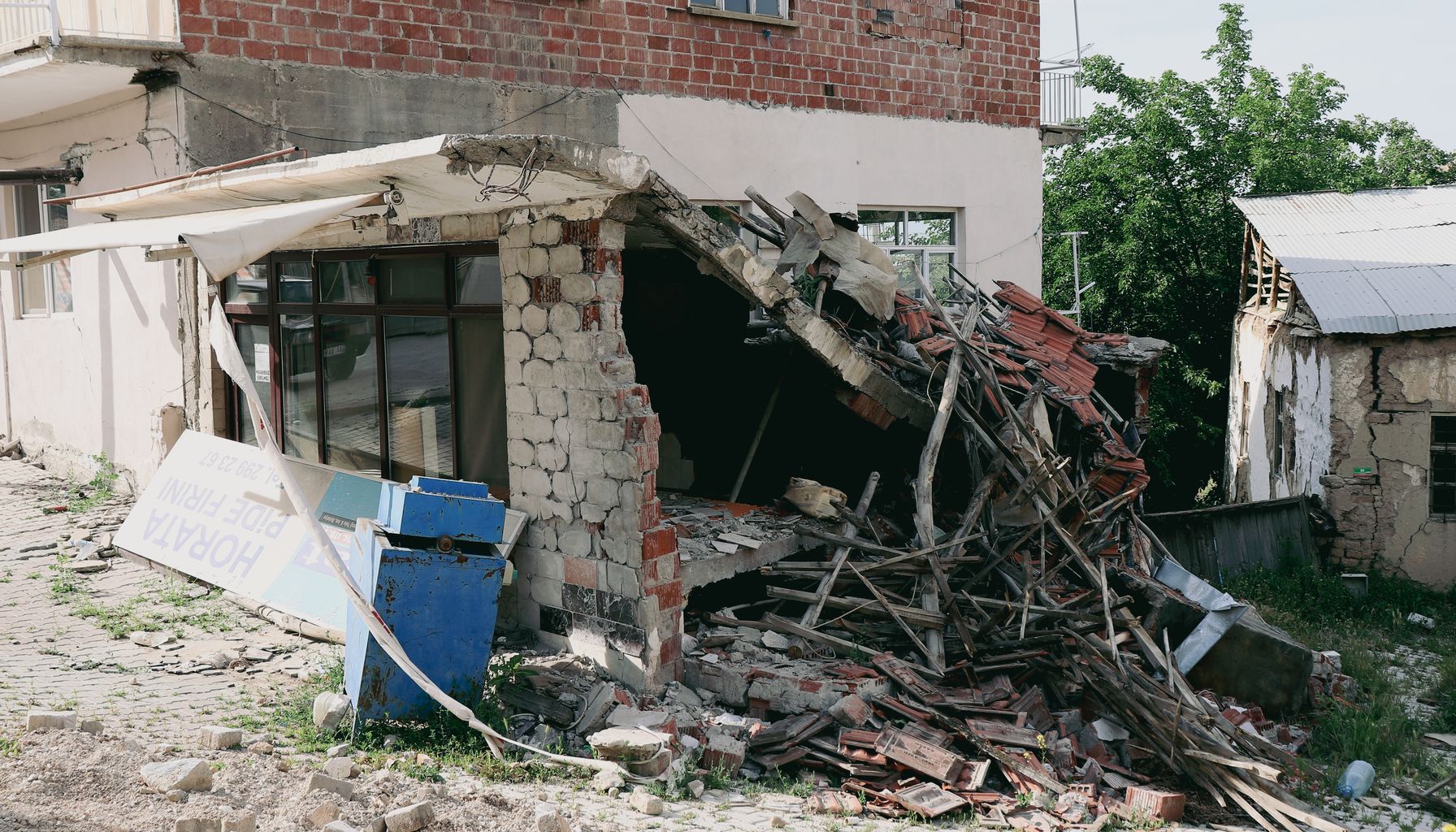
At the center of Milan, a new wave of urban guerrilla warfare returned, with broken storefronts and looting at shops and supermarkets, sparking hundreds of detentions and a political reaction from Rome, according to ANSA.
Summary of the Facts — Milan, protests, looting
On Sunday night into Monday, groups of youths clashed in downtown Milan with graffiti, storefront destruction, and looting. The gatherings were organized via social networks around the Duomo square, and participants were described by witnesses and footage as predominantly dressed in black, with hoods and sweatshirts.
The most affected areas were Cordusio and Via Torino. According to Italian press reports, there were entries and looting at a Carrefour supermarket, as well as damages and thefts at stores of brands such as Foot Locker and Champions. The scenes recalled similar episodes recorded in the preceding weeks in other major cities.
Number of detainees and profile — detainees were minors
More than 200 people were arrested on the night of the incidents, and about 80% of those detained were minors, according to ANSA coverage. Earlier in the afternoon, fifty teenagers had already been taken to the police station for identification — a measure that, according to local authorities, did not prevent the assaults from resuming at night.

Police conducted containment and identification operations, with image and evidence collection for inquiries. Milan authorities reported that the majority of detentions occurred near the Duomo and the adjacent shopping streets.
Political reactions and measures — Meloni convenes
Prime Minister Giorgia Meloni convened a summit on public order in Rome after the episodes in Milan and other cities, according to ANSA. The meeting was announced as an attempt to coordinate responses among ministries and local authorities.
There was also tension between Milan’s mayor, Giuseppe Sala, and Interior Minister Matteo Piantedosi. Sala criticized what he called an insufficient police presence on the streets; in response, Piantedosi accused the mayor of adopting “radical chic” postures, according to press reports. The exchange heightened the tone of the urban security debate and the policing strategy for commercial and tourist areas.
Other locations affected and damages
Violence and looting episodes repeated in several Italian cities, including Turin and Bologna, with incidents varying in severity. Confcommercio estimated damages exceeding half a million euros in these cities — a figure cited by media and local merchant associations, according to ANSA.
Businesses and supermarkets reported losses of goods, broken storefronts, and repair needs. Hundreds of merchants received support from sector associations, which called for measures of support, greater police presence, and more effective surveillance circuits in commercial areas.
Relevance for Brazilians and descendants
The Milan episodes have practical implications for Brazilian nationals and descendants living in Italy or planning trips to the country:
- Stay alert to security warnings and circulation restrictions in urban centers, especially around large squares and shopping districts.
- Monitor local news and guidance from municipal authorities when a summit is convened or exceptional measures are announced.
- For those who run businesses or have commercial ties in Italy, the incidents indicate potential operational risks and increased costs for security and repairs.
Readers in Brazil interested in Italian current events can follow developments in Italy coverage sections, such as Notícias da Itália, and consult practical guidance in the Vida na Itália. For citizenship topics involving travel or administrative procedures, useful material is available at Cidadania Italiana.
Context and next steps
Police investigations continue to identify organizers and determine whether the acts were coordinated by specific groups or largely spontaneous actions by individuals summoned via social networks. The summit convened in Rome is expected to discuss short-term measures to increase security forces’ presence in commercial areas and preventive strategies to avert new escalations.
The mobilization of public authorities and the debate between local and central government officials are likely to be central in the coming weeks as responsibilities are clarified and solutions are sought to protect commerce and urban security.
Source: ANSA