
K-food in Milan: risotto and mondeghili with kimchi
Pop-up in Milan (through Sept 26) pairs Risotto alla Milanese and Mondeghili with kimchi; chef Fabrizio Ferrari signs recipes that blend tradition with new ingredients.
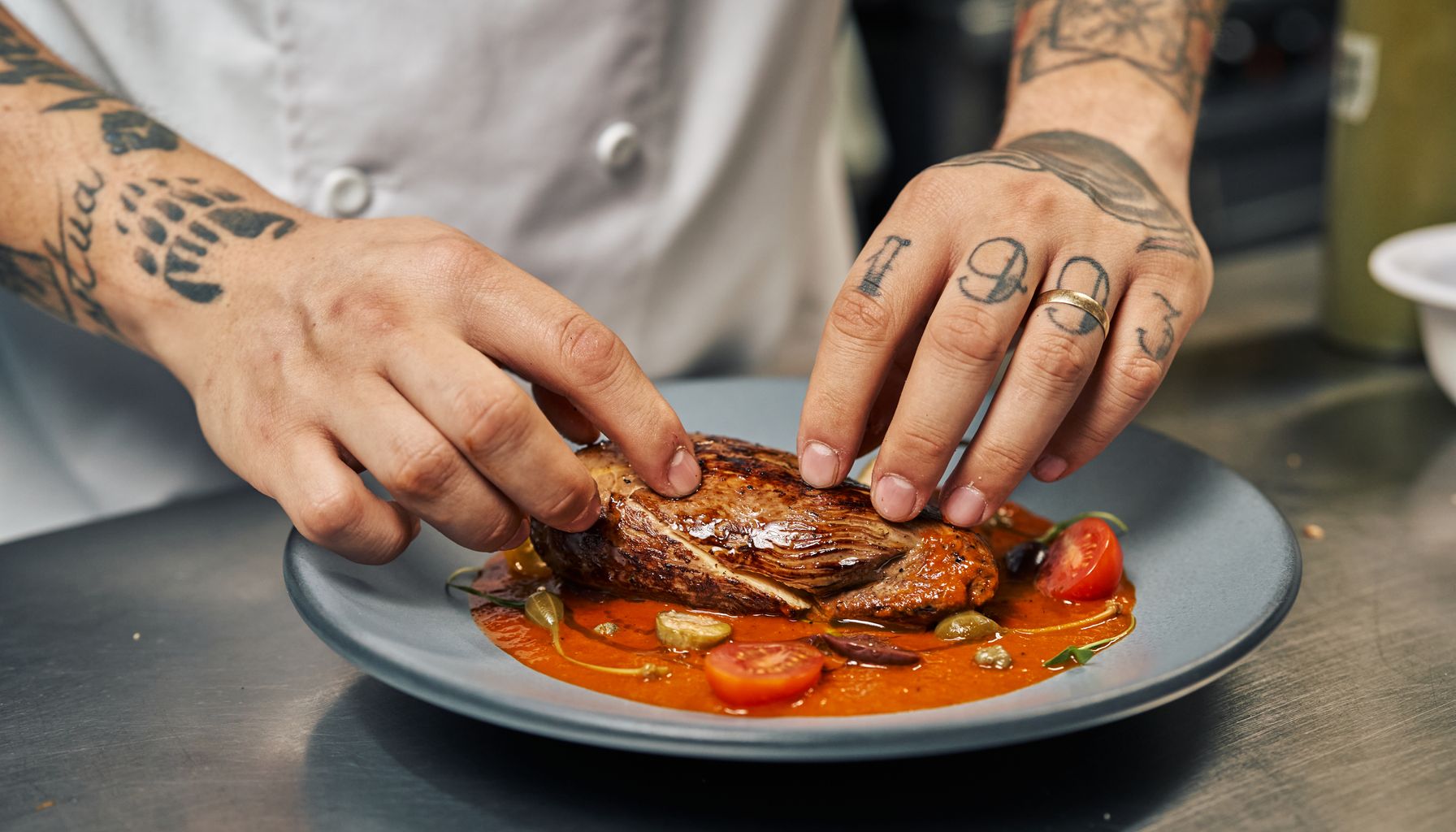
A pop-up in Milan proposes combining k-food and Milanese cuisine with two recipes that unite risotto and mondeghili with kimchi: the showcase is at the Signature Kitchen Suite Showroom Milano until September 26, with culinary curatorship by chef Fabrizio Ferrari, according to ANSA.
The event
The K‑FOOD POP‑UP takes place at the SKS (Signature Kitchen Suite) Showroom Milano and runs until 26/09, promoting a dialogue between Korean gastronomy and Milanese tradition. According to ANSA, the initiative emphasizes ingredient quality, respect for traditional techniques, and conviviality — values dear to both Italian cuisine and Korean dining practices. The pop-up format prioritizes sensory experience and flavor experimentation, drawing an audience that follows contemporary food and culture trends.
- Local: Signature Kitchen Suite Showroom Milano.
- Period: until September 26.
- Focus: fusion of Korean and Milanese techniques and ingredients, with attention to the product and tradition.
The recipes created by Fabrizio Ferrari
Chef Fabrizio Ferrari signs two main preparations presented at the pop-up: the Risotto alla Milanese with Kimchi and the Mondeghili de Tteokgalbi with Kimchi coleslaw. According to ANSA, the recipes aim to preserve the Milanese identity while incorporating core elements of k‑food.
Risotto alla Milanese with Kimchi
The dish starts from the classic elements of risotto alla milanese — toasty rice, white wine, broth, saffron, butter, and Parmigiano Reggiano — and adds sautéed kimchi in combination with ssamjang (Korean soybean-based paste), to create fermented and peppery notes that dialogue with the risotto’s creaminess. The finish includes a parsley gremolata with lemon zest and garlic, providing freshness and acidity to balance the kimchi. According to ANSA, the proposal seeks to respect risotto technique (keeping the “all’onda” texture) while introducing a fermentation element typical of Korea.

Mondeghili de Tteokgalbi with Kimchi-Coleslaw
The second creation is a reimagining of the mondeghili — the traditional Milanese meatballs — inspired by Korean tteokgalbi, a juicy and aromatic ground meat preparation. Ferrari uses the texture and seasoning of tteokgalbi as a base for the polpette, served with a kimchi-influenced reinterpretation of insalata russa, adding fermented acidity and a spicy touch. The combination aims to evoke the conviviality of Italian meals, adapted to a repertoire of Korean flavors.
Why it matters to Brazilian readers of Raízes Italianas
The event is relevant to Raízes Italianas readers because it illustrates how Italian culinary traditions continue to be reinvented outside Italy, maintaining core techniques — such as the risotto texture or the composition of polpette — while absorbing global influences. For Brazilians of Italian origin, the showcase exemplifies two points of interest:
- The persistence and adaptability of classic Italian recipes in contemporary culinary contexts, a theme aligned with posts about culture and life in Italy (/vida-na-italia).
- The growing popularity of K‑culture (food, series, aesthetics), which brings together young audiences and gourmets interested in fusion; the pop-up attracts both trend followers and those seeking connection with Italian roots in modern keys.
Readers can also find other articles on current Italian gastronomy in our section Notícias da Itália and practical information about living or traveling in Italy in Vida na Itália. For those following institutional issues related to Italian identity, there is specific coverage in Cidadania Italiana, though this event is essentially cultural and culinary.
The pop‑up places tradition and experimentation side by side, inviting the audience to recognize how recipes preserve techniques while renewing themselves through foreign ingredients and influences.
The K‑FOOD POP‑UP in Milan is, according to ANSA, an example of how the contemporary culinary scene brings together distinct traditions by respecting products and technique, offering reinterpretation paths that appeal to both food lovers and followers of international cultural trends.
Source: ANSA