Government Drafts Law: Burqa Ban and Cap on Foreign Students
The Council of Ministers meets Thursday at 4:30 p.m.; government plans to present a bill limiting foreign students per class and banning burqa/niqab in schools, ANSA says.
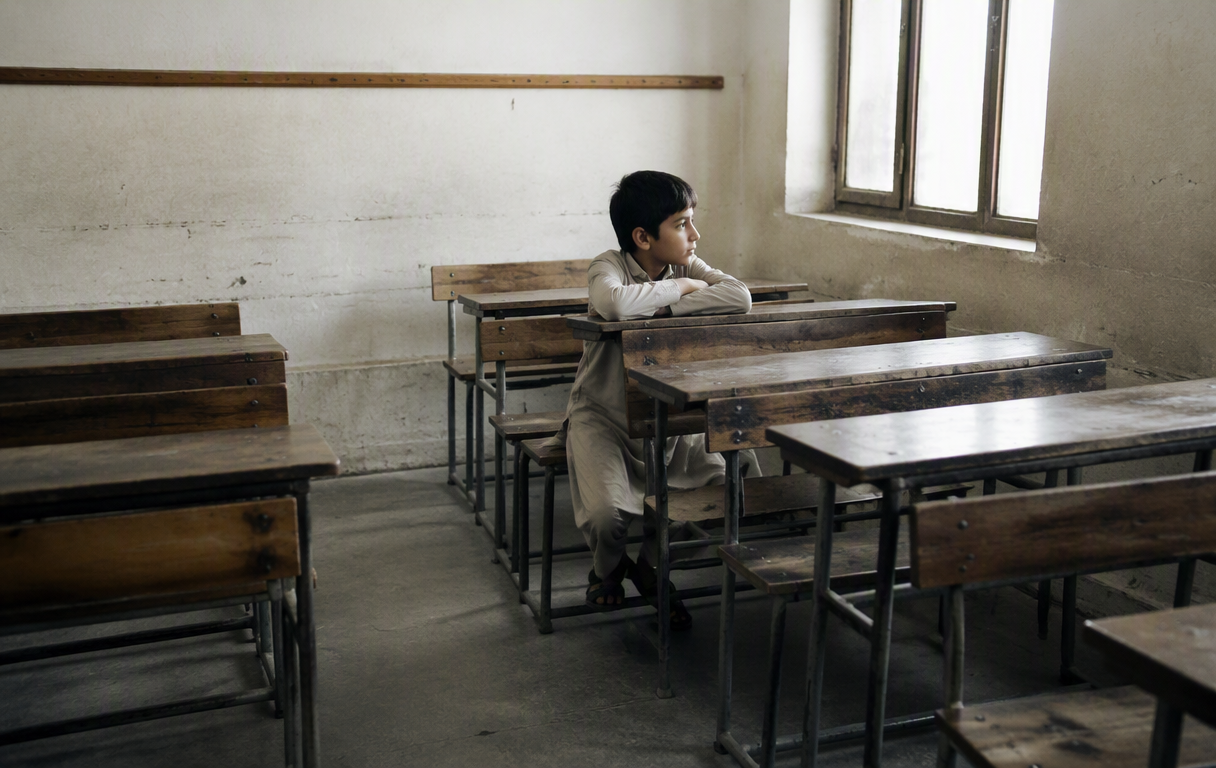
The Council of Ministers (Cdm) is set to meet on Thursday at 4:30 p.m. to analyze a government bill by the Meloni administration that provides a cap on the number of foreign students per class and a ban on the use of burqa and niqab in schools, according to the ANSA agency.
Summary of the Facts
The government is working to present at the next Cdm meeting government-initiated norms for the education system, announced by Prime Minister Giorgia Meloni, according to ANSA. The agenda for Thursday at 4:30 p.m. includes measures aimed at regulating the presence of foreign students per class and restricting the wearing of certain religious garments in the school environment.
Main Measures Announced
According to ANSA’s report, the bill is expected to include three central points:
- a maximum cap on foreign students per class, with criteria for calculation and application in public schools;
- ban on the burqa and niqab in schools, covering educational spaces from early childhood education through upper secondary education;
- assignment to the Ministry of Education of the authority to draft the necessary provisions (normative acts) to implement the rules in individual schools.
The proposal is of government-initiated nature, meaning the rules will be formally presented by the Executive and, later, submitted to the parliamentary process or adopted by regulatory acts compatible with the law.
Statements and Data Cited
ANSA also cites numbers and public statements:
- Cardinal Matteo Zuppi, president of the Italian Episcopal Conference (CEI), stated that “the school must be inclusive,” advocating principles of welcome and integration, according to ANSA.
- ANSA itself reports estimates that the use of the burqa among Muslim women in Italy is below 1%. The agency mentions an estimate of 500–600 foreign students who would wear the burqa in Italian schools.
- The report adds the approximate ratio: “one student with a burqa for every 660 classes,” a figure provided to contextualize the numerical dimension of the phenomenon.
These numbers and statements are presented by ANSA as part of coverage of the school package under discussion; the government has not yet published final texts detailing definitions, exceptions, or verification mechanisms.
What Changes in Practice — Points to Watch
The announced measures raise several practical questions that need clarification in the official texts:
- precise definition of who is considered a “foreign student” for purposes of the cap per class (resident, non-resident, holder of a permesso di soggiorno, etc.);
- criteria for calculating the limit (percentage per class, average per school, exceptions for certain courses);
- the method of applying and enforcing the ban on burqa/niqab, including rules on coexistence, personal identification, and potential disciplinary consequences;
- compatibility with constitutional guarantees on freedom of religion and minority rights, which may lead to legal challenges later.
Until the final text is published, these questions remain unanswered. To follow legislative developments and potential impacts on citizenship and residence processes, readers can consult our site sections on Italia News and Life in Italy.
Relevance for Brazilians and Italian Descendants
Changes to Italian school legislation directly concern Brazilian families and descendants who live, study, or intend to reside in Italy. Key points:
- enrollment criteria and class seat distribution may affect the school experience of foreign children and youths;
- rules on school attire touch on themes of inclusion, religious freedom, and cultural integration;
- families involved in processes of recognizing ties with Italy should monitor potential administrative and legal repercussions at local and national levels.
For information on how government decisions and changes to the Italian school system may relate to citizenship rights, also consult our section on Italian Citizenship.
Expected Reactions and Next Steps
The initiative is expected to spark public and political debate — among supporters of the initiative, voices advocating integration policies, and religious representatives. The Meloni Government will forward the text for voting or will adopt the provisions delegated to the Ministry of Education, which will be responsible for drafting implementation rules in individual schools, according to ANSA. Depending on the final text, measures related to banning religious garments or limiting foreign students may face legal challenges in courts on constitutional or human rights grounds.
The information about the Cdm meeting, proposed measures, and numerical data were released by ANSA.
Source: ANSA.