Fibonacci Day: celebrating the link between numbers and harmony
Nov 23 is Fibonacci Day, highlighting Leonardo Fibonacci, the sequence found in nature and the introduction of the numbers we use today.
Nov 23 marks the Fibonacci Day, a date dedicated to celebrating the life and work of Leonardo Fibonacci and the link between numbers, harmony, nature, and art, according to ANSA.
Meta description: Nov 23 is Fibonacci Day, highlighting Leonardo Fibonacci, the sequence found in nature and the introduction of the numbers we use today.
What is Fibonacci Day
The Fibonacci Day is celebrated on November 23 in honor of Leonardo Fibonacci, a mathematician born in Pisa whose work deeply influenced Western mathematics. The date recalls both Fibonacci's historical contributions — especially the dissemination of Indo-Arabic numerals in Europe — and contemporary fascination with the Fibonacci sequence, associated with the idea of harmony found in natural phenomena and artistic expression, according to ANSA.
The observance gathers academic events, public activities, and exhibitions that propose an interdisciplinary reading: mathematics, biology, art, and architecture. In Brazil, readers interested can follow reflections on the topic in science and culture sections on portals like Raízes Italianas, in addition to articles in /noticias and analyses about European daily life in /vida-na-italia.

Contributions of Fibonacci
Leonardo Fibonacci is known for two main legacies. First, for his work Liber Abaci (1202), in which he introduced to the Western world the numerals we use today, including the concept of zero — a system originating from the Indian subcontinent and the Arab world whose adoption was initially protested by conservative sectors of the time, according to historians cited by ANSA.
Second, Fibonacci presented the sequence that bears his name: a series in which each term is the sum of the two preceding ones (for example, 0, 1, 1, 2, 3, 5, 8...). Although the sequence's appearance in Liber Abaci arises from a rabbit reproduction problem, its relevance extends beyond the original prompt and ended up inspiring studies on growth patterns, proportions, and aesthetics. For readers interested in citizenship and Italian history, understanding this legacy is also a way to connect with the rich scientific tradition of cities like Pisa; see also content about /citizenship for those researching historical and cultural ties.
The sequence in nature and in art
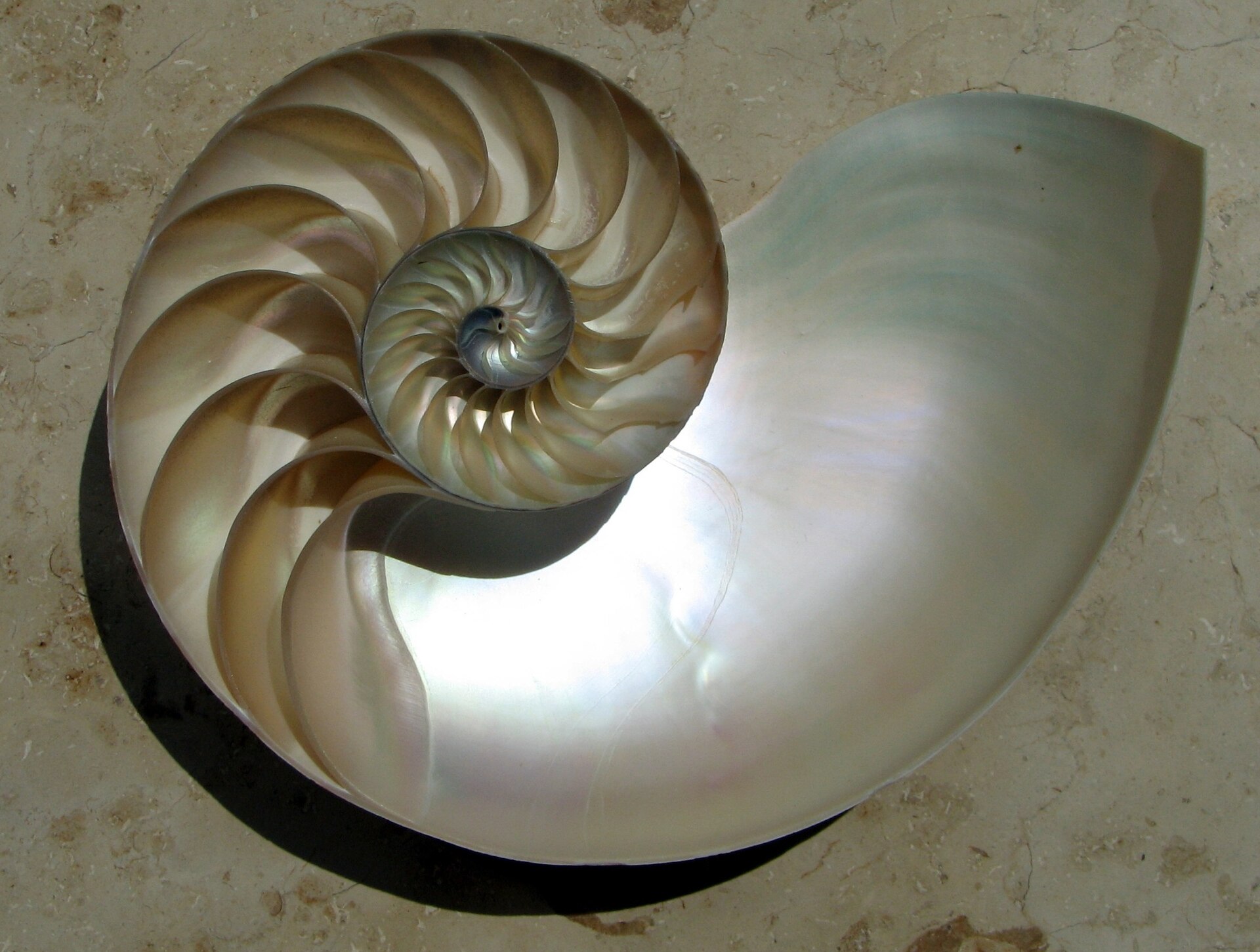
The Fibonacci sequence is frequently cited in studies that explore patterns and regularities in nature. Elements such as the nautilus shell spiral, the arrangement of petals in flowers, and certain seed formations in sunflowers are popular examples where researchers observe relationships that can be described by terms of the sequence or by the ratio of consecutive numbers, approaching the golden ratio.
In art and architecture, experts note that works like Leonardo da Vinci's Vitruvian Man and certain proportions of the Parthenon have been interpreted in light of harmony principles related to the sequence and the golden ratio. These links, however, are a matter of debate: there is consensus on the presence of proportional relationships in many human creations, but the extent of the direct influence of the Fibonacci sequence varies depending on historical and methodological analysis.
According to ANSA, Luca Balletti, from the National Research Council, commented that the occurrence of the sequence is widespread and appears in varied sectors—from biology to architecture—strengthening the multifaceted nature of Fibonacci's legacy.
Celebrations and global relevance
Fibonacci Day is celebrated internationally by universities, museums, and scientific institutions. In Italy, there are local initiatives such as the Giornate Fibonacci in Pisa, events that include conferences, workshops, and thematic visits, which, according to ANSA, extend until November 27, 2026. These programs aim to bring the general public closer to mathematical concepts through practical activities and lectures.
For Brazilian readers of Italian descent and those interested in the culture and history of mathematics, the celebration has dual relevance: it is an opportunity to remember Italy's contribution to scientific development and to reinforce cultural ties with historic cities like Pisa. The theme also resonates with interests in education and nature observation, inspiring school projects, exhibitions, and journalistic content that cross science and heritage, published in /noticias and in features about /vida-na-italia.
Why it matters today
Beyond its historical value, Fibonacci Day stimulates scientific curiosity and interdisciplinary thinking. The sequence that carries Leonardo Fibonacci's name is a reminder of how mathematical concepts can permeate different fields of knowledge — from biology to design — and continue to fuel research and educational initiatives. Events like the Giornate Fibonacci in Pisa attract both specialists and the general public, helping to keep alive the discussion about the history of science and observation of the natural world.
Source: ANSA