
El Niño delays and pressures restaurants: chefs change menus
Extreme phenomena like El Niño force chefs to adapt menus: droughts, floods, and heat affect agriculture, fishing, water supply, and ingredient prices.
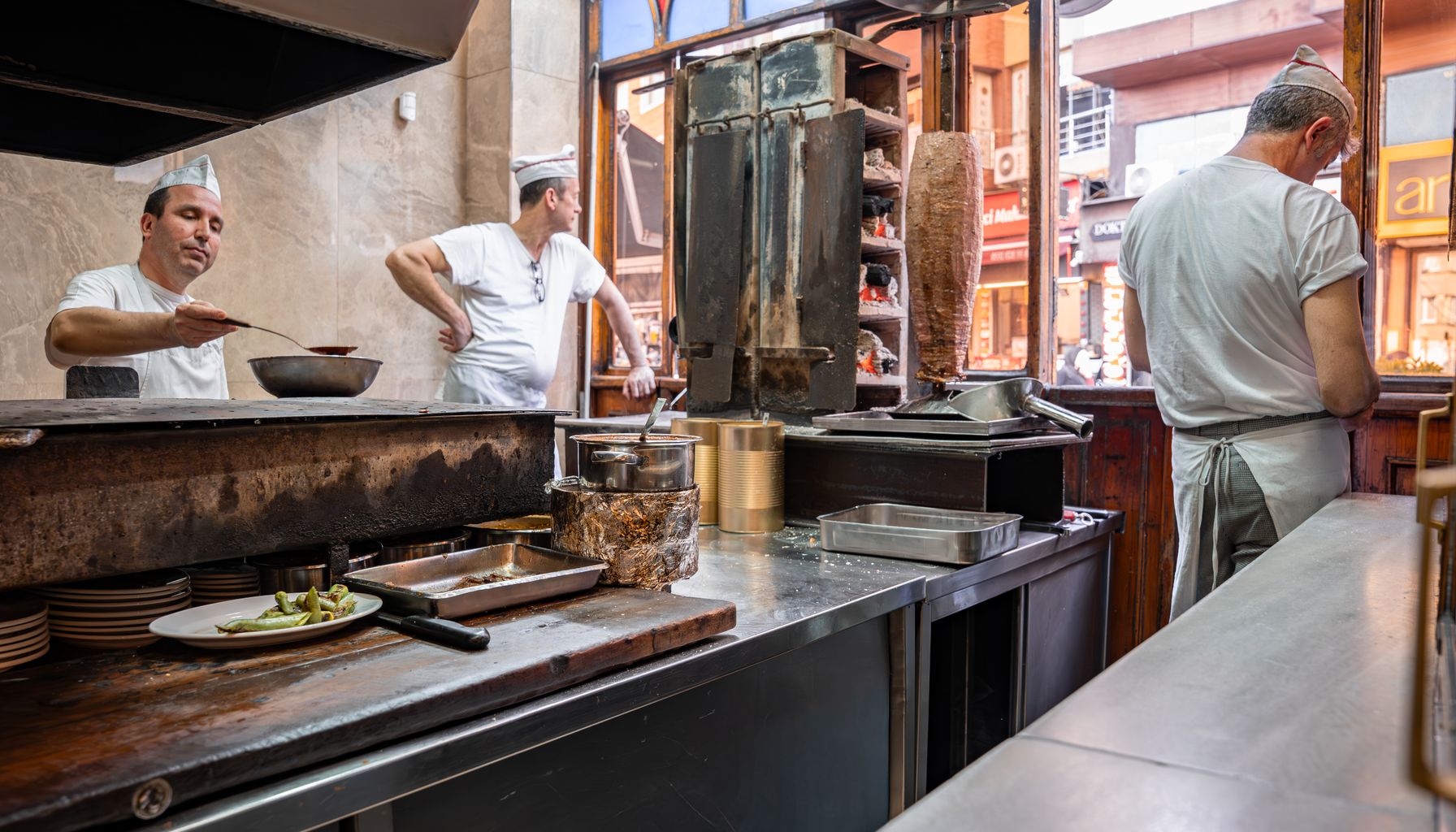
El Niño delays and pressures restaurants: chefs change menus and schedules amid drought, floods and heat, according to ANSA.
Impact of El Niño on the food supply chain
The phenomenon El Niño has caused a combination of drought, floods and heat waves that affect agricultural production, fishing, and water supply, with direct impacts on the food supply chain, according to a report by ANSA. These extreme events alter the availability, quality, and cost of ingredients used by restaurants and food industries.
- In agriculture, drought periods reduce yields of water-sensitive crops, while heavy rains and floods damage plantations and make harvests in affected areas unviable.
- In fishing, changes in temperature and ocean patterns displace shoals and affect species reproduction, causing temporary shortages or a drop in fish quality.
- Compromised water supply also affects processing that depends on abundant, high-quality water, raising operating costs.
Consequently, suppliers pass cost increases on to restaurants, which face pressure on margins and need to revise technical sheets and customer prices.
How restaurants and chefs are responding
Faced with instability, chefs and restaurants seek to adapt menus and operations to mitigate scarcity and control prices. ANSA reports industry professionals have turned to strategies such as:

- Frequent renewal of menus to take advantage of seasonal, locally available ingredients.
- Substituting imported ingredients with regional alternatives when international logistics become unstable.
- Adjusting prices and portions to preserve margins without compromising the dining experience.
- Changing operating hours and increasing use of outdoor spaces in response to prolonged heat waves, which shift customer preferences toward evening dinners and impact daily flow.
Additionally, transportation and storage logistics — especially for perishable products — become more complex and costly in extreme weather, forcing restaurants to strengthen relationships with local suppliers and invest in more flexible purchasing planning.
Examples and testimonials
ANSA’s coverage includes accounts from industry professionals illustrating ongoing changes. Emanuele Tesciuba, co-founder of The Ner Collection, said he observes a customer preference for evening outings during summers marked by heat, affecting kitchen operations and shift scheduling.
At the Apapaxoa festival, international chefs — including Rasmus Munk, Álvaro Clavijo, and Brazilian Alex Atala — discussed expected impacts on availability, quality, and price of ingredients, as reported by ANSA. These chefs stressed that climate volatility forces adjustments in menu planning and supplier choices, with growing emphasis on resilient and sustainable solutions.
The reports highlight two trends:
- Greater emphasis on local producers and preservation techniques that reduce dependence on long supply chains.
- Culinary creativity to turn constraints into opportunities, such as using less-demanded cuts of protein or underutilized native plants.
Relevance for Brazilians and descendants
Alex Atala’s presence in the discussion brings the Brazilian reality closer to the conversation. For Brazilian readers and descendants of Italians interested in gastronomy or restaurants that import inputs, El Niño consequences in Europe and other markets may have indirect effects:
- Changes in supply and the price of imported inputs (including cheeses, canned goods, seafood, and some vegetables) may influence menus in restaurants following international trends.
- Adaptation trends — such as valuing local producers and emphasizing seasonality — may inspire changes in Brazil’s culinary scene, affecting everything from large restaurants to smaller ventures.
- Consumers who follow travel, tourism, and culinary events in Italy and Europe (see more in Notícias da Itália and Vida na Itália) may notice differences in menus and dining experiences at festivals and restaurants.
For those working in citizenship and mobility between Brazil and Italy, economic shifts and tourism sector changes caused by climate events are also relevant, as they affect job opportunities in gastronomy and hospitality — topics that touch on items like Cidadania Italiana and the local economy.
What to expect next
Experts consulted by ANSA indicate that, as long as El Niño persists or repeats patterns of climatic anomaly, the food service sector should maintain its adaptive dynamics. Investments in short supply chains, strategic stockpiles, and supplier diversification are likely to grow, as will attention to sustainable practices that boost resilience in the face of extreme events.
International experience reflected at the Apapaxoa festival and in chefs’ accounts may anticipate practices that spread globally — from menu changes to new ways of linking restaurants and producers.
Source: ANSA