Beppi, Maestro of Weddings and Celebrations in Curitiba, Dies
Giuseppe 'Beppi' Bertollo, maestro of the group 'Beppi e seus Solistas', died in Curitiba at 98; he arrived from Italy in 1948 and set the tempo for many celebrations.
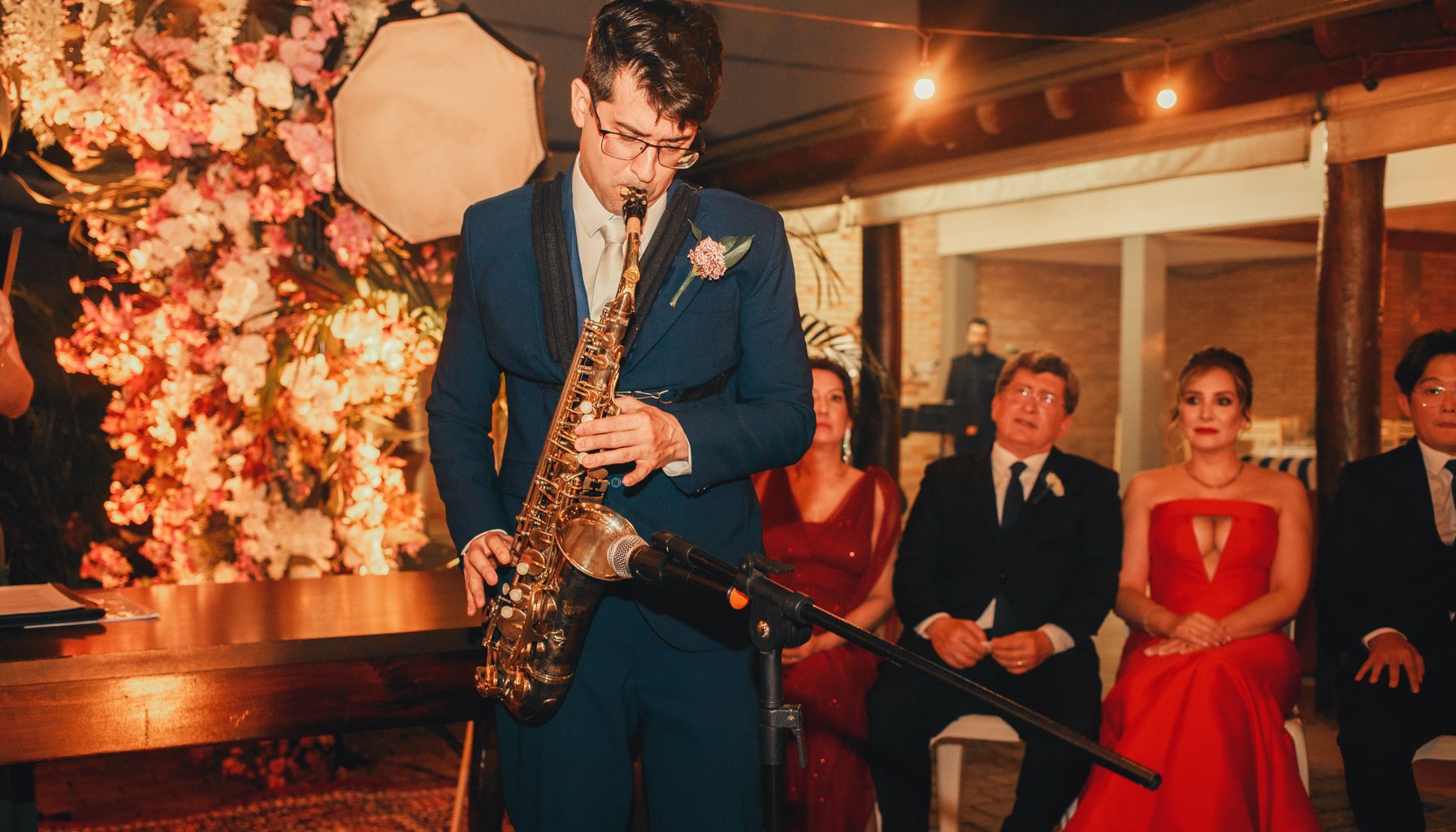
Giuseppe “Beppi” Bertollo, maestro of the ensemble “Beppi e seus Solistas,” died in Curitiba at the age of 98 on the night of Friday, October 9, 2026. The news of his passing was released by journalist Pedro Ribeiro and published by Desiderio Peron on October 10, 2026, according to Insieme.
Who Was Beppi
Giuseppe Bertollo, popularly known as Beppi, was born in February 1928 in Italy. In 1948, at the age of 20, he emigrated to Brazil and settled in Curitiba, where he built a long-standing musical and cultural career. He led and was the face of the group “Beppi e seus Solistas”, a unit that became a constant presence at social events in the city.
The group’s repertoire blended Italian classics, waltzes, sambas, and popular music, adapting to the different moments of celebrations—from the processional music for the couple’s entrance to songs that accompanied the dances after the reception. A widely shared photo shows Beppi entertaining the Dante Alighieri Cultural Center birthday celebration in Curitiba on June 1, 2018, demonstrating his continued performance even in advanced age.
Beppi was recognized not only for his musical virtuosity but also for the social role he played: as a conductor, he led family and community celebrations, creating the soundtracks of memories for many families in Curitiba. His trajectory is part of both the local musical scene and the history of Italian cultural presence in southern Brazil. For those seeking information about immigration and cultural ties between Brazil and Italy, topics related to Notícias da Itália and Cidadania Italiana frequently appear in our texts.

Death and Legacy
Beppi died at his home in Curitiba on the night of October 9, 2026, at 98 years old. The public announcement of his passing was made by journalist Pedro Ribeiro; the piece was published by Desiderio Peron on October 10, 2026, as reported by Insieme. According to that coverage, the news mobilized memories among relatives, fellow musicians, and attendees of the celebrations the maestro brought to life for decades.
Beppi’s legacy is measured less by records or formal contracts and more by memories and rituals: for generations of Curitiba residents, his name became synonymous with weddings, dances, and family parties. It was his orchestrations and arrangements—often performed live in ballrooms or social clubs—that marked moments of passage, such as engagements, anniversaries, and birthday celebrations. Testimonies cited by the press emphasize Beppi’s role as a factor of community cohesion, especially among Brazilian descendants of Italians who saw music as a way to preserve languages, songs, and festive customs of origin.
The importance of figures like Beppi goes beyond the local sphere: they illustrate how Italian culture intertwined with Brazilian social life throughout the 20th century, contributing to hybrid identities preserved in parties, associations, and cultural centers. In Curitiba, centers like Dante Alighieri and traditional social clubs were frequent stages for this type of musical formation—a theme that recalls both immigration history and contemporary practices of cultural memory, a topic addressed in pieces about Vida na Itália and in the archives of Notícias da Itália.
Memory and Recognition
His fellow musicians and family remember Beppi for his professionalism, his kindness toward the public, and his ability to read the dance floor—knowing when to play a waltz, when to quicken the tempo, or when to include an Italian classic that would shed the house’s accent, bringing stories and longing to the surface. The maestro’s presence at birthdays and parties turned him into an affectionate reference: to the sound of “his music,” photographs, inherited dance steps, and menu recipes often emerged, accompanying the celebrations.
Although there is no report of official tributes announced as of the publication of this article, the reaction on local social networks and within circles of Italian associations indicates that Beppi’s memory will be preserved in future events, in informal tributes, and in the recollections of those who lived those nights to the sound of his arrangements.
Conclusion
Giuseppe “Beppi” Bertollo leaves a discreet but lasting mark on Curitiba’s cultural scene: the music of his celebrations helped shape the affectionate memory of several generations and kept the Italian presence alive in the community’s festivities. His passing on the night of October 9, 2026, was recorded by the local press and evokes a repertoire of stories still told in the city’s ballrooms, clubs, and cultural centers.
Source: Insieme