Autumn FAI Days: over 700 sites open in October
On Oct 10–11, the 15th edition of the Giornate FAI d'Autunno: 700+ sites in 350 cities, many normally inaccessible, with palaces and villas reopening.
On October 10 and 11, the 15th edition of the Giornate FAI d'Autunno opens more than 700 sites across Italy, allowing the public to visit palaces, villas, churches, and restored heritage that are usually closed to visitors. According to ANSA, there are more than 700 openings spread across about 350 cities, in a weekend dedicated to Italian cultural heritage.
Meta description: On Oct 10–11, the 15th edition of the Giornate FAI d'Autunno: 700+ sites in 350 cities, many normally inaccessible, with palaces and villas reopening.
What the Giornate FAI d'Autunno are
The Giornate FAI d'Autunno are an initiative of the Fondo per l'Ambiente Italiano (FAI) that, in its 15th edition, promotes the exceptional opening of historical, artistic, and natural heritage during a weekend. The event takes place on Saturday, October 10, and Sunday, October 11, with the aim of bringing the public closer to the Italian heritage by offering guided tours, thematic itineraries, and educational activities. According to ANSA, the proposal is precisely to enable access to places that are normally closed or little known.
The FAI format combines local volunteering, agreements with public and private owners, and itineraries organized by the organization, focusing both on conservation and public enjoyment.

Scale and numbers of the Giornate FAI d'Autunno
In this edition, the FAI opened over 700 sites in about 350 Italian cities, ranging from monumental complexes to small restored heritage. The offering includes palaces, villas, churches, and gardens—many of which do not typically welcome regular visits. According to ANSA coverage, the size of the event reaffirm its importance in promoting cultural tourism at the local level and in valuing restoration interventions.
The event's wide reach allows access to sites in metropolitan regions and in smaller towns, expanding possibilities for tourists and residents who want to discover different layers of Italian history.
Examples of highlighted sites
The program includes a rich and diverse list of sites opened exceptionally. Among the highlights noted by ANSA:
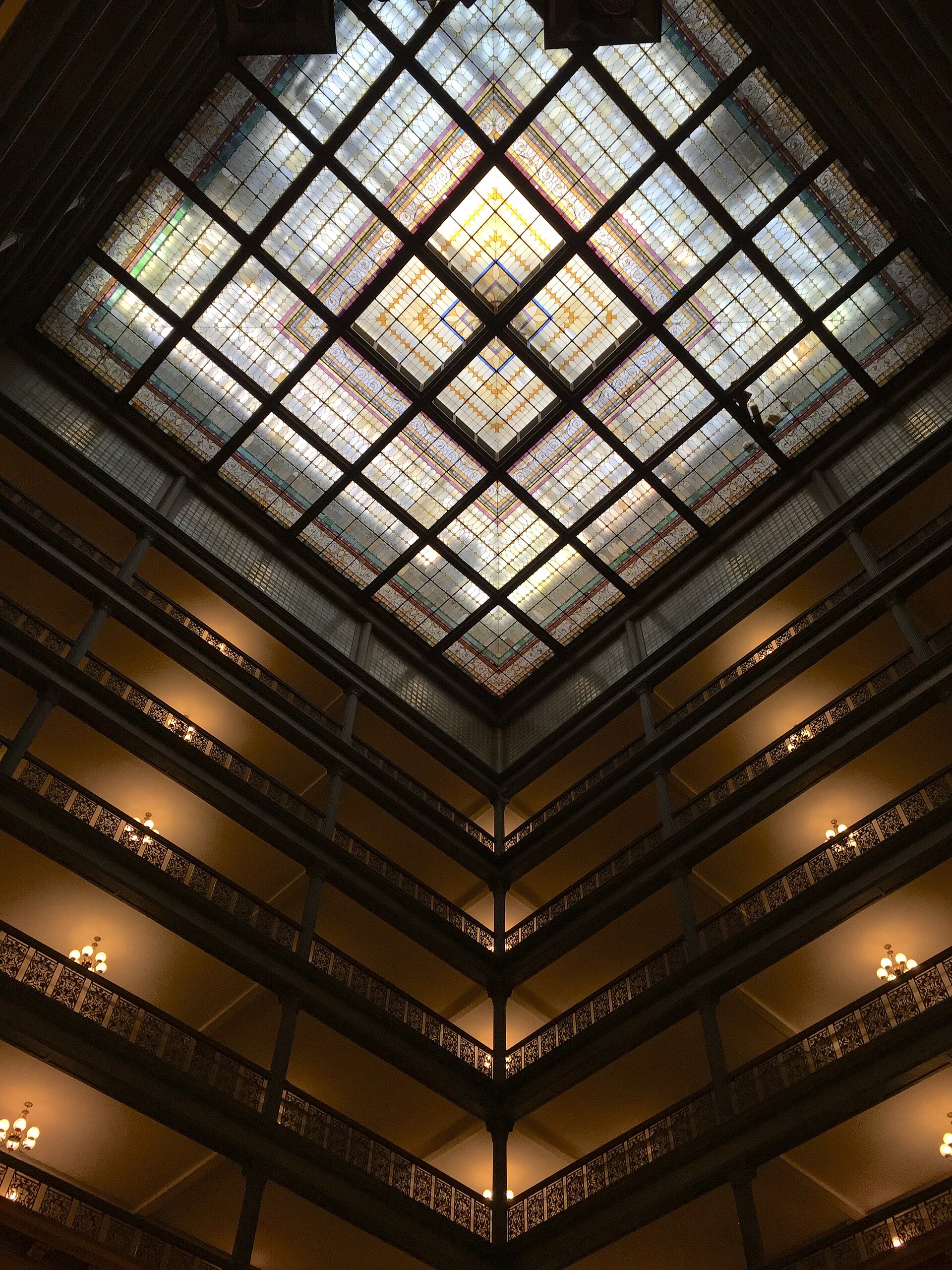
- Palazzo Piacentini (Roma) — known for its marbles and a stained glass window signed by Mario Sironi, offering a reading of Italy in the 1920s–30s through design and decoration.
- Villa La Tesoriera (Turin) — with its park and Baroque atmosphere, the villa presents gardens and interiors illustrating aristocratic representative life in Piemonte.
- Palazzo Dugnani (Milan) — extraordinary reopening with frescoes attributed to artists such as Tiepolo; the opening allows viewing spaces primarily used in institutional or private contexts.
- Palazzo Sclafani (Palermo) — an example of Arab-Norman traces, offering a portrait of Sicily's multiple cultural layers.
- Palazzo Gualfonda (Florence) and Palazzo Saladini Pilastri (Ascoli Piceno) — noted by ANSA as openings that enhance the local urban heritage; some sites are publicly accessible for the first time.
- Villa Giorgina and Palazzo Carpegna — properties with memories of diplomacy and connections to figures like Borromini, whose visitation points to lesser-known itineraries in architectural history.
These examples illustrate the variety of chronologies, styles, and functions—from the Baroque to Modernism, from religious to diplomatic—that the Giornate FAI bring together in a single weekend.
Cultural significance and for Brazilian descendants of Italians
For Brazilian descendants of Italians, the Giornate FAI d'Autunno represents a unique opportunity for immersion in the architecture, art, and Italian history at locations that are frequently not part of conventional tourist itineraries. The event is useful both for those planning trips to Italy and for those researching cultural and family ties, offering material contexts that help understand styles, spaces, and social memories.
- For tourists interested in heritage tourism, the opening of palaces and villas allows creating itineraries focused on art and architecture.
- For those investigating cultural roots or the historical panorama of their regions of origin, visiting archives, chapels, and local residences can provide information complementary to genealogical research.
Those planning a visit can combine attending the Giornate FAI with practical readings on citizenship and life in the country: experts and enthusiasts often consult sources on Cittadinanza Italiana and local news in Notizie dall'Italia to align logistics and context. Accounts and tips from people living in the country also appear on pages of Vida in Italia.
How to make the most of the weekend
Practical recommendations for participants:
- Check schedules and visiting modalities on the FAI website and local communications; many visits require advance reservations.
- Plan transportation between sites, as openings are concentrated in urban centers and dispersed venues.
- Take advantage of guided tours to gain historical and architectural information not available in self-guided visits.
The 15th edition of the Giornate FAI d'Autunno reaffirms the event's role as a tool for valuing heritage and democratizing access to cultural assets, providing a kickoff to rediscover cities and sites that hold important layers of Italian history.
Source: ANSA