Living in Italy: Expectations vs. Reality – A Practical View
Discover what it’s like to live in Italy in practice: cost of living, work, language, bureaucracy, and lifestyle. Compare dreams to the everyday Italian routine.
Living in Italy: Expectations vs. Reality
Meta description: Discover what it’s like to live in Italy in practice: cost of living, work, language, bureaucracy, and lifestyle. Compare dreams to the everyday Italian routine.
Many Brazilians dream of Italian life because of the culture, gastronomy, and landscapes, but everyday reality often blends charm and frustration: from bureaucracy to regional differences in the cost of living. This text compares romantic expectations with practical day-to-day life, providing useful information for those planning to move.
Expectation x Reality: why the dream isn’t the same for everyone
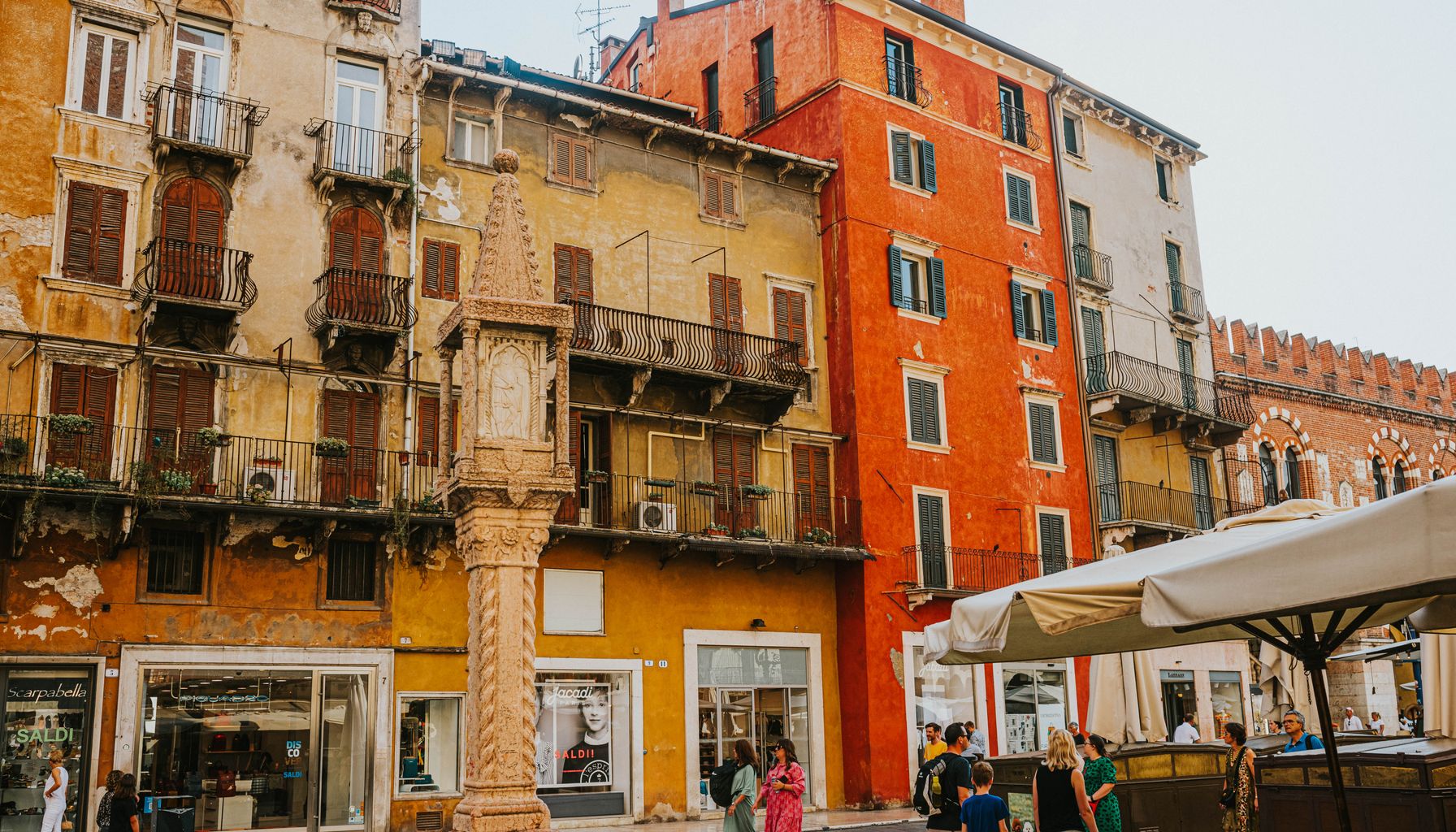
The image of Italy popularized by films and social media highlights picturesque villages, long meals, and a slower pace of life. In practice, the experience varies greatly depending on city, job, and support network. While small towns can offer a quality of life and lower costs, megacities like Milan and Rome bring more job opportunities but higher housing costs and traffic. For general socio-economic data, see the ISTAT and OECD reports, which show regional disparities in the country (see ISTAT, OECD).
Housing, work, and language
Housing: rent, neighborhoods, contracts and cost of living
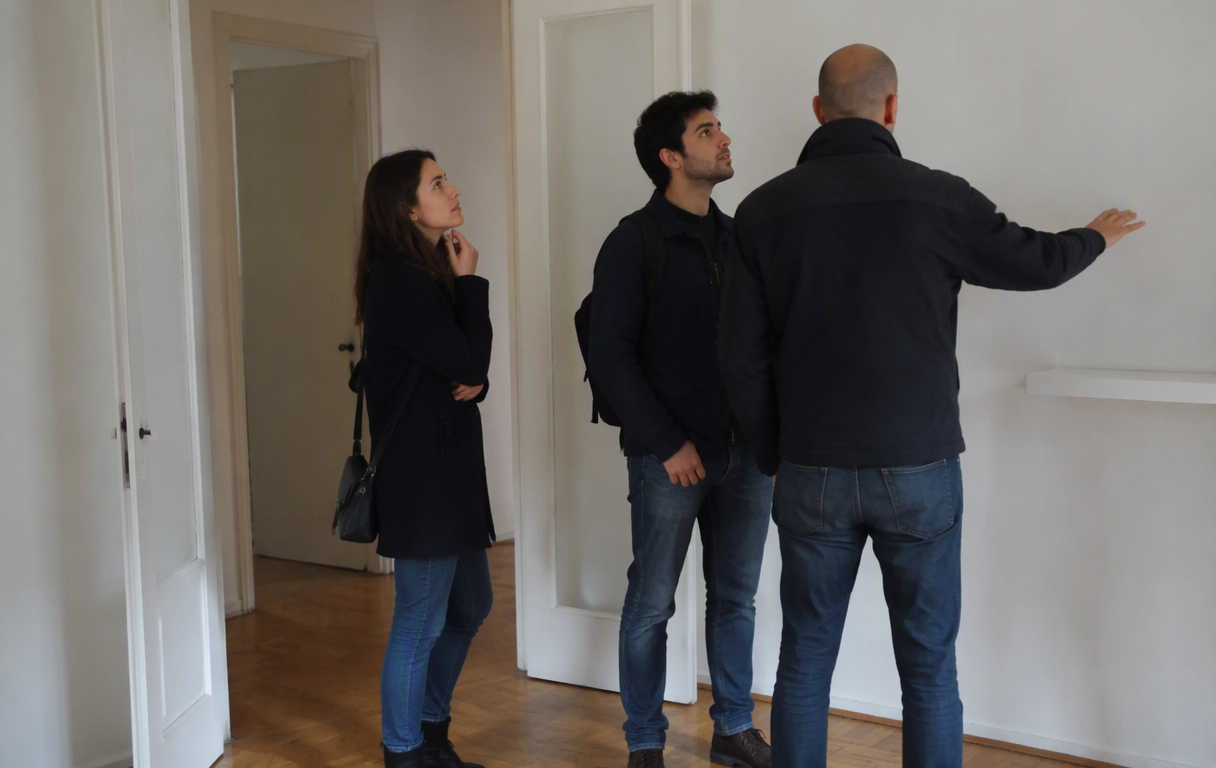
Finding housing can be more difficult and expensive than one might think in major cities. Rents in urban centers are competitive; many contracts require a formal contratto di locazione, security deposit, and proof of income. In smaller towns, costs can be reduced, but supply is limited. For long-term plans, researching neighborhoods and daily commutes is essential. Local sources, Italian real estate portals, and community advertisements are starting points, as well as consulting expatriate groups and resources on life in Italy.

Work and income: labor market, immigration, and employment
The Italian job market has dynamic sectors (technology, fashion, tourism, agri-food) and stagnant ones. Formal jobs require a contract and social security registration (INPS). Salaries can be lower than in some central European countries, especially in the South; at the same time, costs vary by region. For those relying on Italian citizenship as a pathway to entering the market, it’s essential to understand the recent legal changes described below and seek qualified legal advice.
Language and integration
Learning Italian is almost always necessary to access formal jobs and integrate socially. In tourist areas or international companies, English helps, but proficiency in Italian facilitates daily services, dealings with authorities, and neighborhood interactions. Support networks of compatriots and local associations assist with adjustment — seek community groups, churches, and language classes.
Bureaucracy, public services, and daily routine
Bureaucracy and public services
Italian bureaucracy is known for being complex and slow in some areas: civil records, authorizations, and recognition of degrees require patience. In 2025 there was a significant legislative change: Decree-Law 36/2025 (known as the "Decreto Tajani"), converted into Law 74/2025.
It’s essential to highlight key legal points and updates on citizenship jure sanguinis:
- Administrative recognition of Italian citizenship by comuni is no longer possible in most cases after DL 36/2025. Practically, you can no longer rely on the local administrative procedure (in the comune) to obtain jure sanguinis citizenship in the vast majority of situations.
- The consular route was also restricted: consular access for citizenship recognition became limited to children and grandchildren of Italians; great-grandchildren and further generations NO LONGER have consular access under the current rule.
- The judicial route remains available, but with new contours and risks. Applicants pursuing the judicial route should consult lawyers specializing in Italian citizenship law.
- Very important: the decree contains retroactive provisions affecting substantive rights. The legal text states that those born abroad and who are not the child or grandchild of an Italian were not Italian citizens since birth — this changes substantive law and can disadvantage applicants from more recent generations. This material retroactivity is the subject of legal controversy and has major practical impact for applicants. Those seeking recognition should be aware of this issue and seek specialized legal guidance.
- Processes filed BEFORE the decree’s effective date have specific procedural protections; differentiating this procedural protection from the retroactivity issue is crucial.
- The Sezioni Unite of the Corte di Cassazione have binding force on uniform interpretation of law for Italian judges; high court and Constitutional Court decisions can influence outcomes, but these bodies operate in different jurisdictions.
Given the legal and practical impact of these changes, it’s advisable to consult official sources (Ministero dell'Interno, Ministero degli Affari Esteri and the Embassies/Consulates for operational guidance) and specialized lawyers before starting any proceedings.
For health services, the National Health Service (SSN) offers coverage to registered residents, but access and organization vary by region. Procedures such as enrolling in the SSN, obtaining a codice fiscale, and registering residence are essential initial steps.
Daily routine: food, transport, and leisure
Daily eating combines local markets, fairs, and supermarkets; in many cities there is a strong presence of artisanal and seasonal products. Public transport works well in large cities, though delays can occur; in rural areas, car ownership is often necessary. Local leisure tends to revolve around cafes, squares, neighborhood events, and seasonal festivities.
Culture, socializing, and region-by-region costs
Culture and socialization
Italian culture values family, food, and local traditions. Attending village festivals (sagre), religious celebrations, and sports events is a quick way to socialize. Expat communities and cultural associations help access practical information and events in Portuguese.
Cost of living by region: north vs. south, big cities vs. small towns
There is a big difference between the North and South: the North usually offers more job opportunities and higher average incomes; the South has a lower cost of living but fewer formal opportunities. Big cities — Milan, Rome, Turin — require a different financial planning than small towns. ISTAT reports and regional economic analyses show these inequalities; it’s recommended to research local costs before moving.
Practical tips and alignment of expectations
- Financial planning: make a budget including rent, transportation, food, and emergencies; consider a reserve for the first months.
- Documentation: arrange a codice fiscale, transfer documents, and check updates on Italian citizenship and consular rules. Consult the Ministry of Foreign Affairs (MAECI), the Ministry of the Interior, and assume rules about citizenship recognition changed in 2025.
- Consult a lawyer specialized in Italian citizenship before starting any recognition request, especially if your lineage is a great-grandparent or later generation, due to consular restrictions and the material retroactivity introduced by DL 36/2025.
- Support network: connect with local communities and Brazilian groups; follow reliable sources for legal and administrative news, such as Corriere della Sera, Il Sole 24 Ore, and official announcements.
- Cultural realism: accept that habits, schedules, and services may differ; language and patience are valuable assets.
Aligning expectations with reality requires information and planning: Italy can offer high quality of life for many, but with practical challenges that require preparation. To keep up with legal changes and stories from people living in the country, see the sections on Life in Italy and Italy News.
Conclusion Living in Italy blends cultural attractions with administrative and economic hurdles. Early research, language learning, and support networks make a difference in turning the dream into a sustainable and realistic experience.