Italy Will Have 167 New Luxury Hotels by 2029
Luxury sector accounts for 48% of Italian hotel investment; country leads Europe and tourism drives 5-star hotel expansion through 2029.
Italy Will Have 167 New Luxury Hotels by 2029
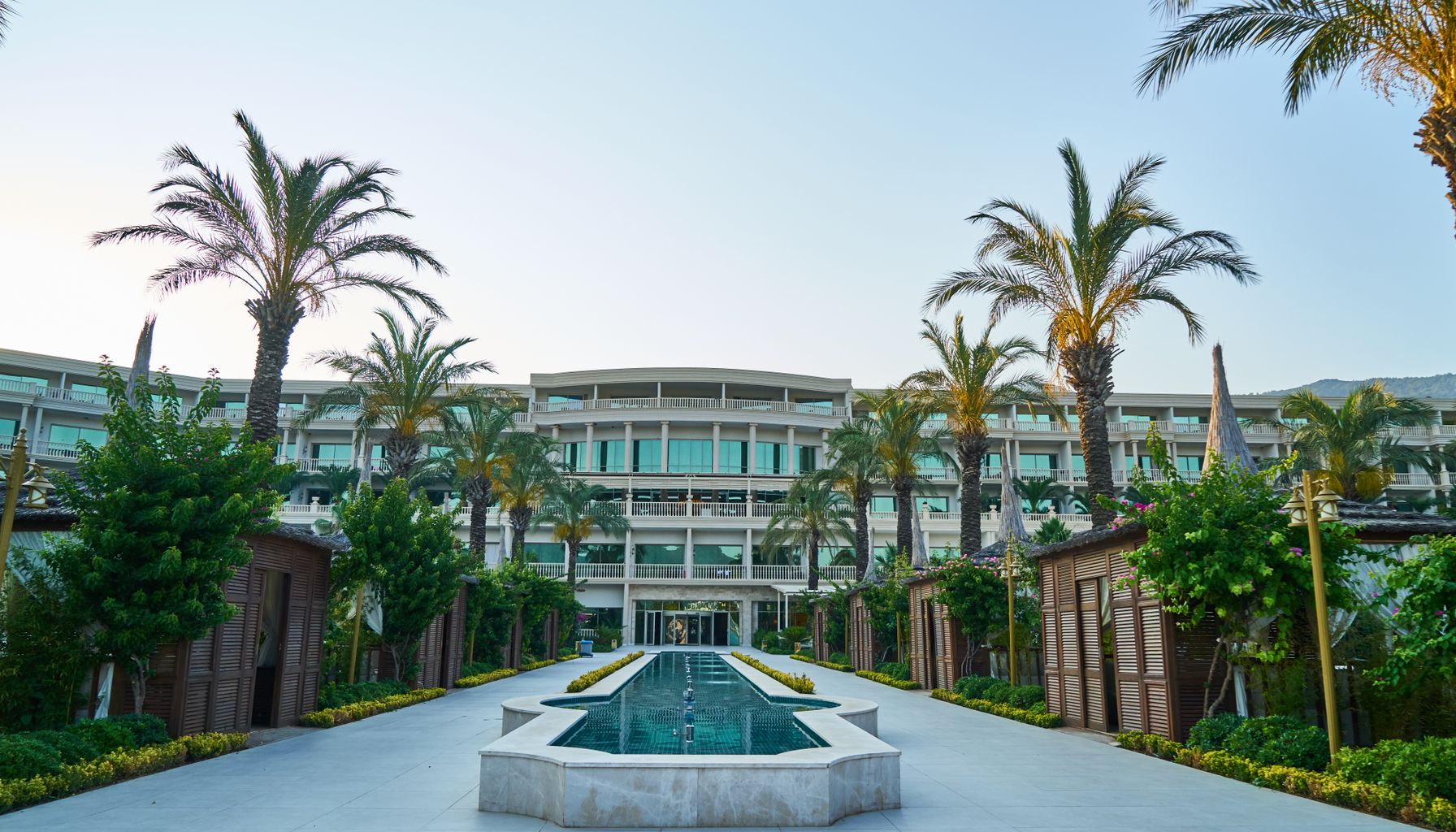
Italy is set to gain 167 new luxury hotels by 2029, adding to the 745 five-star establishments already operating in the country in 2025. The figure, released by Comunità Italiana, confirms Italy's position as the European country with the largest number of high-end hotel destinations, solidifying an expansion trend already being driven by international tourism.
Expansion of Luxury Hospitality
The projected growth reinforces a movement that is already a reality in the sector: the luxury segment has been expanding at a faster pace than the rest of Italian hospitality. With the 167 new developments planned, Italy is set to further strengthen its European leadership in the number of five-star hotels, a category that attracts both high-income tourists and international investors interested in the country's hotel real estate market.
The expansion is not concentrated solely in traditional destinations such as Rome, Milan, and the Amalfi coast. According to Comunità Italiana, interest in luxury developments has spread to smaller regions, accompanying a broader movement toward revitalizing historic cities and rural areas that have gained international visibility in recent years.
Sector Numbers
In 2025, Italy had 33,370 hotels in total, totaling approximately 1.1 million rooms available across all categories. It is within this broad universe that the luxury segment has been gaining disproportionate weight in terms of investment.

Investments in the Italian hotel sector totaled €2.35 billion in 2025, a 27% increase compared to the previous year. The pace remained strong in 2026: in the first half alone, the volume invested already reached €1.25 billion, according to Comunità Italiana.
The most striking figure, however, is the concentration of these resources: the luxury segment accounted for 48% of all Italian hotel investment in 2025. In other words, nearly half of the capital that entered the sector was directed toward five-star developments, demonstrating where investors see the greatest returns and guaranteed demand.
Tourism's Weight in the Economy
The appetite for luxury hotels is directly linked to the role tourism plays in the Italian economy. The sector accounts for 10.5% of the country's Gross Domestic Product (GDP), a percentage above the global average, estimated at 10%, according to data cited by Comunità Italiana.
Foreign tourists have also spent more in Italy: in 2025, the combined value of their spending reached €56.7 billion. This spending volume helps explain why the hotel market continues to attract investors even in a European economic scenario marked by uncertainties in other sectors.
The Italian hotel park as a whole has an asset value exceeding €173 billion, according to the report. This heritage includes everything from family-run inns in small towns to luxury resorts in the most sought-after regions of the country, reflecting the diversity of Italian hotel offerings.
Those who follow Italy News have frequently seen how tourism continues to be one of the most resilient pillars of the country's economy, even in the face of challenges in other productive sectors.
The Workforce Challenge
Despite accelerated growth in investments and new developments, the Italian hotel sector faces a significant obstacle: professional training in hospitality remains undersized relative to the pace of expansion in the luxury market.
There is a mismatch between the training offered by educational and professional institutions and the growing demand for skilled workers in high-end hotels. This type of establishment requires professionals with specific training in service, hotel management, and personalized services — a profile that, according to Comunità Italiana, remains scarce given the pace of new establishment openings.
The issue has concerned industry representatives, who see the training gap as a risk to maintaining service quality as new hotels open in the coming years.
Why It Matters for Brazilians
The expansion of the luxury hotel sector has direct implications for Italian descendants planning trips to the country, including those focused on pursuing Italian Citizenship and reconnecting with family roots. More high-end accommodation options mean greater variety of experiences for those visiting ancestral hometowns, often located outside traditional tourist routes.
Additionally, a thriving tourism sector tends to expand opportunities for work and investment for Italian-Brazilians who already live or plan to settle in Italy. Capital movement in the hotel sector, combined with a shortage of skilled workers, can open space for Brazilian professionals with training or interest in the hospitality field, a recurring topic in coverage about Life in Italy.
The projected growth through 2029 confirms that tourism will continue to be one of the most dynamic sectors of the Italian economy, with effects that go beyond investment figures and directly reach those planning to visit or build a life in the country.
Source: Comunità Italiana