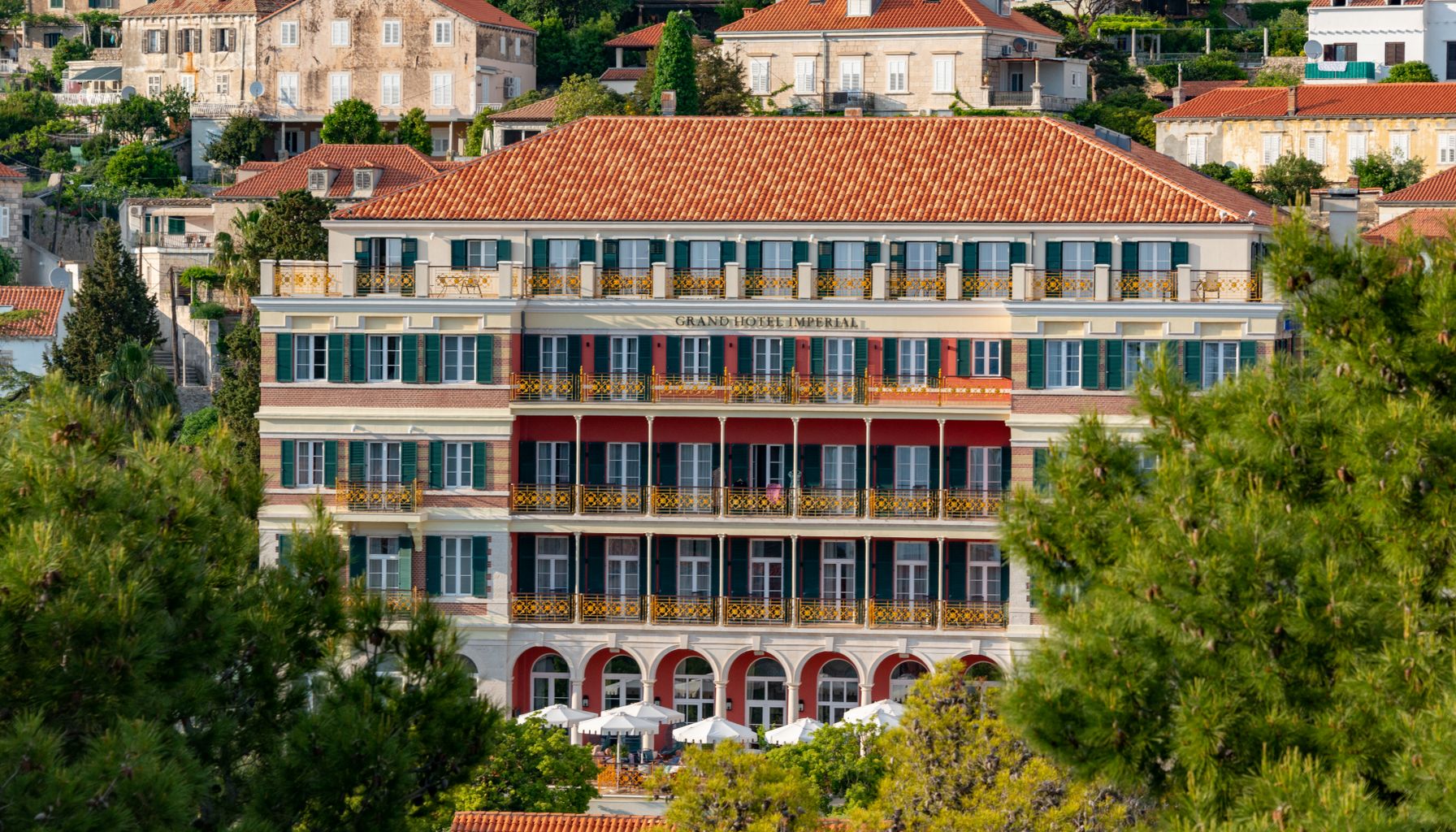
€200 Million Puglia Resort Faces Controversy in Italy
Luxury project in Maruggio, praised by Meloni, promises 500 jobs but generates environmental criticism and administrative delays in Puglia.
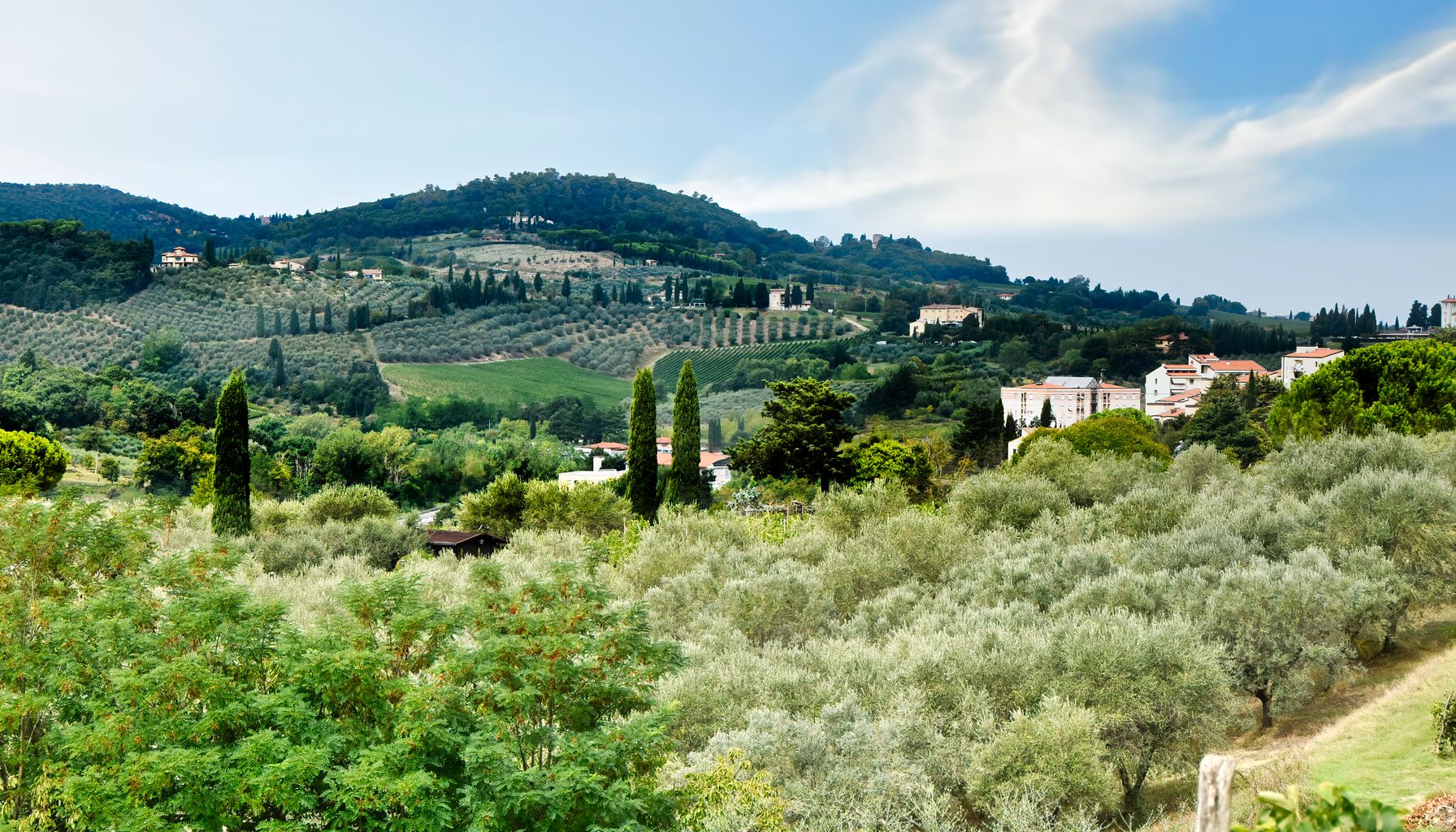
A €200 million hotel development in Maruggio, in the province of Taranto, has become one of the most talked-about luxury tourism projects in Southern Italy. Named La Maviglia, the resort was praised by Prime Minister Giorgia Meloni as an example of foreign investment in Puglia, but faces resistance from environmentalists and administrative delays that cast doubt on the original opening timeline.
What is the La Maviglia project
The La Maviglia occupies an area of 202 hectares in Maruggio, on the Ionian coast of Puglia, and includes 70 suites, 36 high-end villas, a hotel, spa, and an 18-hole golf course. The development is controlled by Ultimate Collection, a holding company of Italian-Swiss businessman Nicola Cortese, known for his involvement in high-end sports and hotel projects across Europe.
According to the Comunità Italiana, the initial timeline projected the resort's opening in 2027, with the generation of approximately 500 direct jobs in the region — a significant number for an area of Puglia historically marked by low skilled employment and strong population emigration. Investors expect La Maviglia to also produce its own wine and olive oil, reinforcing the project's connection to the Taranto territory.
Political support and international ambitions
The project was authorized under the Special Economic Zone (ZES) regime for the Mezzogiorno, a mechanism created by the Italian government to attract private investment to the country's poorest southern regions through tax incentives and bureaucratic simplification. According to the Comunità Italiana, Giorgia Meloni cited La Maviglia as a symbol of the type of development she intends to encourage in Southern Italy, a region that represents a significant portion of her government's economic agenda.

Those responsible for the project state that the goal is to position the resort among the world's ten best in the luxury hospitality sector rankings, betting on the combination of coastal landscape, local gastronomy, and its own wine and olive oil production as a competitive advantage against international competitors.
Environmental controversies and construction delays
Not everything, however, is moving without resistance. The Italia Nostra association, dedicated to preserving Italian historical, artistic, and landscape heritage, questions the project's impact on an area home to centuries-old olive trees and traditional vineyards in the Taranto region. For the organization, converting part of this territory into a golf course and hotel area threatens agricultural heritage that takes centuries to develop and cannot be recovered.
Another point of friction is water consumption. An 18-hole golf course, combined with pools and resort infrastructure, requires significant volumes of irrigation and water supply — and Puglia is one of Italy's regions most affected by recurring water scarcity episodes, especially during summer months. Critics of the project argue that allocating water resources to a luxury development may worsen pressure on an already sensitive system.
Already in 2024, Puglia's regional administration itself raised doubts about the project's landscape impact, requesting additional clarifications before fully releasing necessary authorizations. According to the Comunità Italiana, work was even suspended in January due to an unpaid debt of €175,757 related to urbanization charges, which generated new uncertainty about the project's pace.
The mayor of Maruggio publicly acknowledged the delay compared to the original timeline but stated he maintains optimism regarding project completion, arguing that economic benefits and job creation for the municipality justify ongoing negotiations between investors, city hall, and environmental agencies.
Why this case matters to descendants of Italians
Puglia is among the regions that sent the most emigrants to Brazil throughout the 19th and 20th centuries, making the debate surrounding La Maviglia a matter of direct interest for Brazilians with roots in the region. Many descendants maintain emotional ties to cities in Taranto province and closely follow the economic and urban transformations affecting the rural landscape from which their ancestors departed.
The episode also illustrates a broader tension present in various Italian regions: the balance between attracting foreign investment and luxury tourism, on one hand, and preserving centuries-old olive trees, vineyards, and natural resources that define the territory's identity, on the other. Cases like this frequently appear in Italy News covered by Raízes Italianas, especially when involving regions with strong historical emigration.
For those also following topics related to Life in Italy, the La Maviglia debate offers a concrete portrait of how the country attempts to reconcile regional economic development with the protection of a rural landscape that, in Puglia's case, is also part of the memory of millions of families in Brazil. Those thinking of reconnecting with these roots, including through topics like Italian Citizenship, will find in this type of news a current picture of the transformations underway in their ancestors' territory of origin.
The project's outcome still depends on resolving administrative pending matters and dialogue between investors, Maruggio's city hall, and Puglia's environmental agencies, which should keep La Maviglia as a recurring topic in the Italian press in the coming months.
Source: Comunità Italiana