Meloni Announces Cap on Foreign Students per Classroom and Bans Burqa
Meloni unveiled a cap on foreign students per classroom, a requirement for parents to learn Italian, and a ban on burqa/niqab in schools; the measure heads to the Council of Ministers.
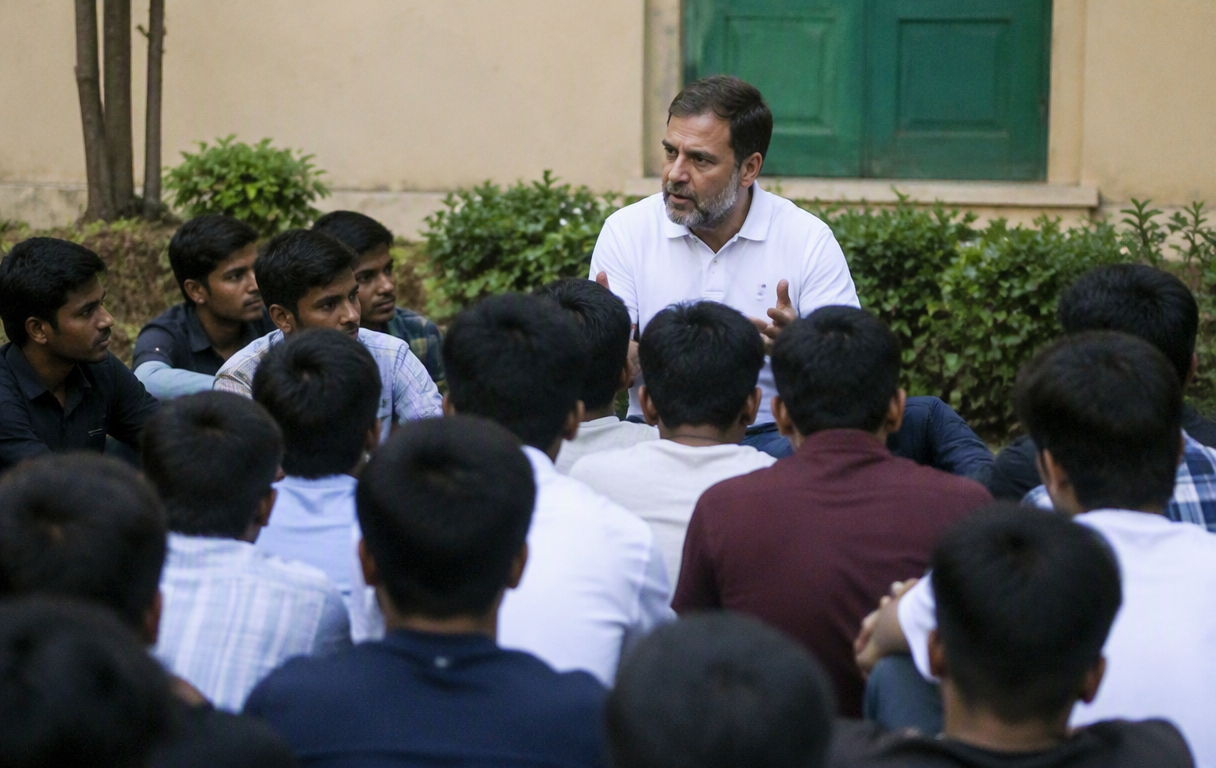
Giorgia Meloni announced on Monday measures about schooling that foresee a cap on foreign students per classroom, the obligation for parents to learn Italian if their children face difficulties integrating, and the ban on wearing burqa and niqab in educational institutions; the rule will soon be taken to the Council of Ministers, according to ANSA.
Key measures announced — Meloni, burqa, foreigners in school
According to ANSA, Prime Minister Giorgia Meloni said in a speech that the government will present a norm with at least three central points:
- a maximum limit of foreign students per classroom;
- the obligation for parents to learn Italian when their children experience “serious integration problems” at school;
- the ban on burqa and niqab inside schools.
Meloni described the initiative as a response to a “civilization issue” and stated that the proposal will be submitted to the Council of Ministers soon, per ANSA. The announcement did not detail the legal text, the criteria that will define the per-class cap, or the penalties for non-compliance—points that should appear in the normative act to be formalized by the government.
“Sono norme che presenteremo al Consiglio dei Ministri” — quote cited by ANSA about the imminent presentation to the government.
Context of the announcement — event with Gioventù Nazionale and repercussions
The speech took place during an event aimed at the party’s youth wing, Gioventù Nazionale, focused on school and university, according to ANSA. On the same day, Meloni also commented on a phrase by Antonio Tajani, calling it “una frase uscita male” (a phrase that came out poorly) and praised a student from the Congo who defended a professor who was assaulted. The prime minister also granted a backstage interview to digital creator Gianfredi, the agency reported.
The government’s stance fits into a broader public debate about integration, cultural identity, and safety in educational institutions. There is not yet an official bill text nor a formal timeline beyond the announcement that the matter will go to the Council of Ministers; operational questions—including how the per-class cap will be calculated, exceptions for areas with higher immigrant presence, or pedagogical criteria—remain unanswered until the decree or bill is published.
What changes in practice — Italian language obligation and burqa ban
Based on the disclosed information:
- The obligation for parents to learn Italian appears linked to situations where language barriers hinder their children’s school integration. It is not yet known if language tests will be required, whether free state-provided courses will be offered, deadlines, or administrative steps to verify compliance.
- The ban on burqa and niqab in schools is presented without scope specifics (only in educational institutions or also in broader educational spaces?) or enforcement mechanisms. The measure follows the line of similar prohibitions already seen in other European contexts, but ANSA does not detail the intended legal wording.
Until the government publishes the text, it is not possible to gauge the practical reach of the measures or their legal impact on fundamental rights — including religious freedom — which courts typically scrutinize when such norms come into force.
Relevance for Brazilians and descendants — enrollment and school coexistence
If approved, the rule could affect Brazilian residents in Italy and descendants with relatives enrolled in Italian schools:
- Enrollment rules and class composition may change, affecting educational offerings in areas with higher immigrant presence. Families interested in tracking changes should monitor official publications and local schools.
- The potential requirement for Italian knowledge by parents could influence integration programs and communication between families and schools. This may create a need to participate in language courses or support resources offered by municipalities or educational institutions.
- Questions about religious dress prohibitions in schools could affect students and families who wear the niqab or burqa; in such cases, conflicts may arise depending on how the rule is interpreted and applied by school administrations and local authorities.
Descendants and those interested in citizenship or living/studying in Italy should follow the legislative process and official publications; for general country news, see our pages on Italy News and information about Italian Citizenship and Life in Italy.
Next steps and what to watch for
- The publication of the text to be submitted to the Council of Ministers is the next milestone to monitor. From there, it will be possible to analyze wording, technical definitions (such as how the per-class cap is calculated), entry into force timelines, and possible follow-up measures (courses, family resources, enforcement).
- It is also important to watch reactions from Parliament, parent associations, civil rights organizations, and local authorities, which may propose amendments or complementary measures.
Conclusion: Meloni’s announcement, per ANSA, points to changes in school coexistence and integration rules in Italy — with potential impact on foreign families. The matter should be detailed when the government presents the text to the Council of Ministers and when implementing administrative acts emerge.
Source: ANSA