Italian File Digitization: 2026 Advances
Discover how Italian municipalities are digitizing archives. Learn how to access documents for citizenship and genealogical research.
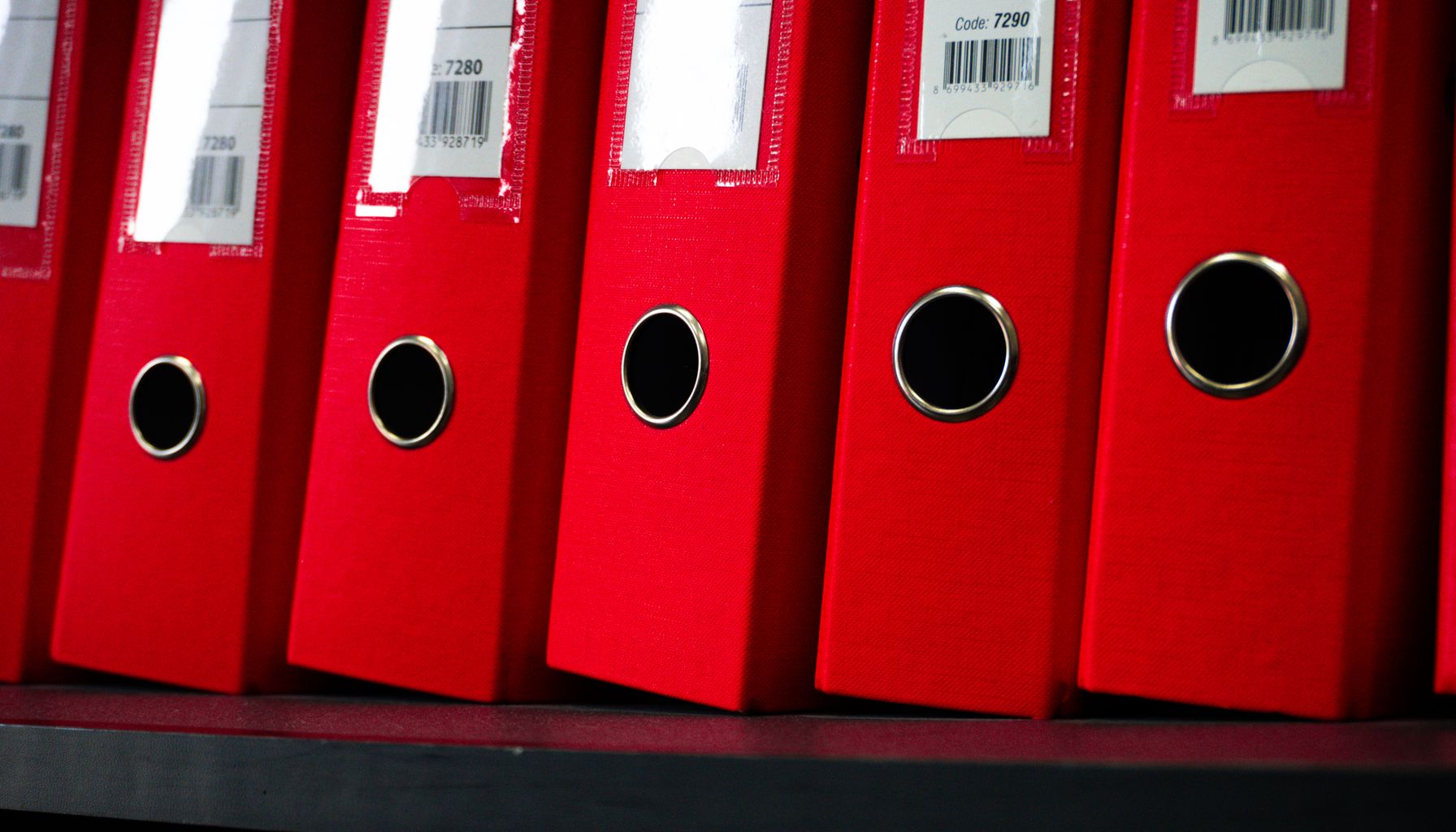
Italian public file digitization advances in 2026 as part of a national effort to modernize civil registries and municipalities. The movement has direct impact on Brazilians descended from Italians who depend on birth, marriage, and death certificates to prove their line of ancestry in Italian citizenship recognition processes.
Modernization of public archives: a national initiative
The Italian government has expanded, since 2025, investments in digital infrastructure aimed at the conservation and availability of civil records. The initiative seeks to replace old handwritten birth, marriage, and death books — many of them over a century old — with digitalized and searchable databases.
According to communications from Italian municipalities that have already started the process, the goal is to reduce the volume of in-person and mail requests that overload local registry offices, especially those in regions with a strong history of emigration, such as Veneto, Calabria, and Campania — the origin of most descendants of Italians in Brazil.
The implementation timeline varies by region. Localities in northern Italy, which already had more computerized administrative systems, are advancing more quickly in digitization. Smaller municipalities in the south, often responsible for the records most sought by Brazilian descendants, follow slower schedules, with completion expected between 2026 and 2027. These changes are part of a larger set of institutional advances in Italy that have been reshaping the relationship between the Italian State and descendants scattered around the world.
What changes for those seeking certificates and Italian citizenship
For the Brazilian pursuing documentary evidence, digitization promises to simplify steps that today still depend on physical correspondence, translation of old manuscripts, and in many cases, trips to Italy to locate records in specific municipalities.
With remote access to certificates, it becomes possible to:
- Consult birth, marriage, and death records without relying exclusively on sending letters or emails to registry offices;
- Reduce waiting time for obtaining documents used in Italian citizenship applications;
- Eliminate some of the geographic barriers that historically hindered those without local contacts in Italy.
It is important to note that digitization itself does not change the eligibility rules for citizenship recognition — it affects only how documents are located and obtained. Recent legislative changes, such as those brought by the Decreto Tajani (Decree-Law 36/2025, converted into Law 74/2025), continue to govern who can apply for citizenship through consular or judicial channels, regardless of technological advances in archives. To better understand the current rules, the portal maintains updated coverage in the Italian Citizenship section.
Platforms and systems for accessing documents
One of the central points of this modernization is the role of entities such as ANAI (Associazione Nazionale Archivisti Italiani), which works on technical organization and definition of standards for digitizing Italian historical collections. The association has collaborated with municipalities and State archives to guide cataloging and digital availability processes for documents.
Furthermore, various Italian regions are developing their own systems for accessing civil records, with portals that allow online consultations — although with different functionality levels depending on the region. Some municipalities already offer digital forms for certificate requests, while others maintain only digitized versions for internal use by registry office staff.
Applications aimed at genealogical research have also gained ground, allowing descendants to conduct preliminary research on surnames, places of origin, and possible family ties before even requesting official documents. These tools, however, serve as a starting point — legal proof for citizenship purposes still depends on certificates issued by competent authorities.
Challenges: technological inequality and data protection
Not all municipalities advance at the same pace. Large cities, with larger budgets and administrative structure, tend to complete the digitization of their archives more quickly. Small rural municipalities — often the most sought after by Brazilians in genealogy research and documentation — face limitations in staff, technical resources, and budget priorities.
Another relevant challenge is the preservation of fragile historical documents. Many records from the nineteenth and early twentieth centuries are in delicate condition, requiring careful scanning processes that do not compromise the original material. This makes digitization slower in archives with a large volume of old documents.
Finally, the issue of personal data security gains prominence as more sensitive information — names, dates of birth, filiation, marital status — begins to exist in digital format. Italy, as a member of the European Union, follows GDPR (General Data Protection Regulation) guidelines, which impose restrictions on who can access certain records and under what conditions, especially when it comes to data of living persons.
Direct impact on genealogical research
For genealogical researchers and Brazilian families seeking their roots, digitization represents a significant practical advance. Processes that once required months of waiting for a response from an Italian registry office — or even in-person trips to sift through physical archives — tend to become more agile as more municipalities complete the digitization of their collections.
This is particularly relevant for those assembling documentary evidence of a complete line of ancestry, required in citizenship processes through judicial channels, since current legislation has restricted recognition through consular channels to children and grandchildren of Italians born abroad. The more generations needed to reconstruct the line, the greater the number of certificates to be located — and that is precisely where digitization has the potential to save the most time.
Beyond the speed gains, there is also an economic dimension: with more documents accessible remotely, the need to hire local agents exclusively for in-person searches at registry offices decreases, or to bear the costs of trips to Italy solely to locate a specific record. Still, sworn translation, Hague apostille, and organization of documentation for legal use remain steps that require technical attention.
What to expect in the coming years
The expectation of Italian authorities is that digital coverage will extend to all municipalities by 2027, although timelines may vary depending on the region and budget availability of each local administration. There are also signals that Italian digital systems could, in the future, gain greater integration with international genealogical databases, facilitating information cross-referencing for researchers outside Italy.
In parallel, expansion is expected of certificate consultation and issuance services in digital format, which would further reduce dependence on physical correspondence between Brazil and Italy. These changes accompany a broader movement of digitization of public services in Italy, a topic frequently covered in the Italy News section and the Life in Italy section, which brings together content on bureaucracy, documentation, and daily life in the country.
For those already in the process of locating certificates, it is worth following directly the official channels of each municipality or resorting to specialized services in certificate search in Italy, which closely monitor these regional changes and know where and how to search for documents even in municipalities that have not yet completed digitization.
The digitization of Italian archives is a gradual process, but one that is already beginning to transform how Brazilian descendants of Italians access their own documentary history. Although it does not change the legal rules of eligibility for citizenship, modernization promises to make the document-gathering stage faster, more accessible, and less dependent on intermediaries — a welcome advance for those facing processes that are, by nature, already long and bureaucratic.