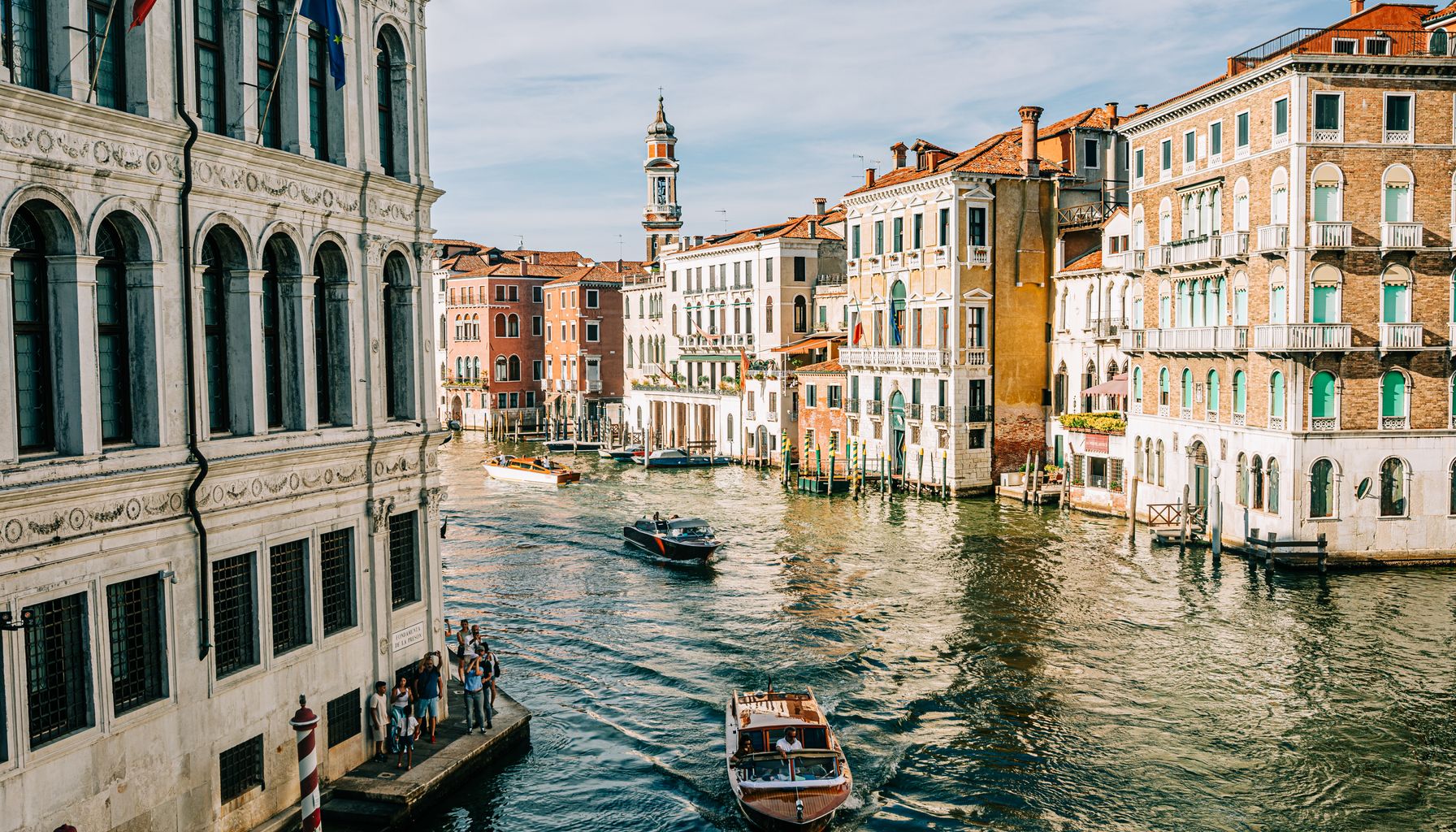
Italian Economy 2026: What Changes for Living in Italy
Discover the main economic changes in Italy in 2026. Cost of living, taxes, real estate market and opportunities for those wanting to move.
Italian Economy 2026: What Changes for Living in Italy
Anyone planning to move to Italy in 2026 will find an economic scenario of gradual stabilization, but with costs that remain pressured in certain sectors. Between decelerating inflation, new tax regimes for foreigners, and changes in the real estate market, understanding the numbers is essential for those dreaming of living in the country. This guide brings together the main economic trends that affect Brazilians of Italian descent and other foreigners interested in settling in Italy.
Inflation and Cost of Living in Italy in 2026
The Istituto Nazionale di Statistica (Istat) has registered more controlled inflation in 2026 compared to peaks observed in previous years, with projections of stabilization around moderate levels for the second half. Still, sectors like food and energy remain sensitive to international fluctuations, which keeps the attention of those planning their family budget in the country.
Rents continue on an upward trajectory in major cities, pressured by demand from students, remote workers, and immigrants. Meanwhile, food prices show significant regional variation: in Southern Italy, basic items like bread, pasta, and vegetables tend to cost noticeably less than in the industrialized North.
As for cost of living by region, the difference between the North and South of the country remains striking:

- North (Lombardia, Piemonte, Veneto): higher cost of living, especially in Milan and surroundings.
- Center (Toscana, Lazio, Umbria): intermediate costs, with Rome pulling the average upward.
- South and islands (Puglia, Calabria, Sicily, Sardegna): more accessible options, both in housing and food and services.
For those evaluating where to live, it's worth consulting the complete guide to living in Italy, which details particularities of each region.
Real Estate Market: Where to Buy or Rent in 2026
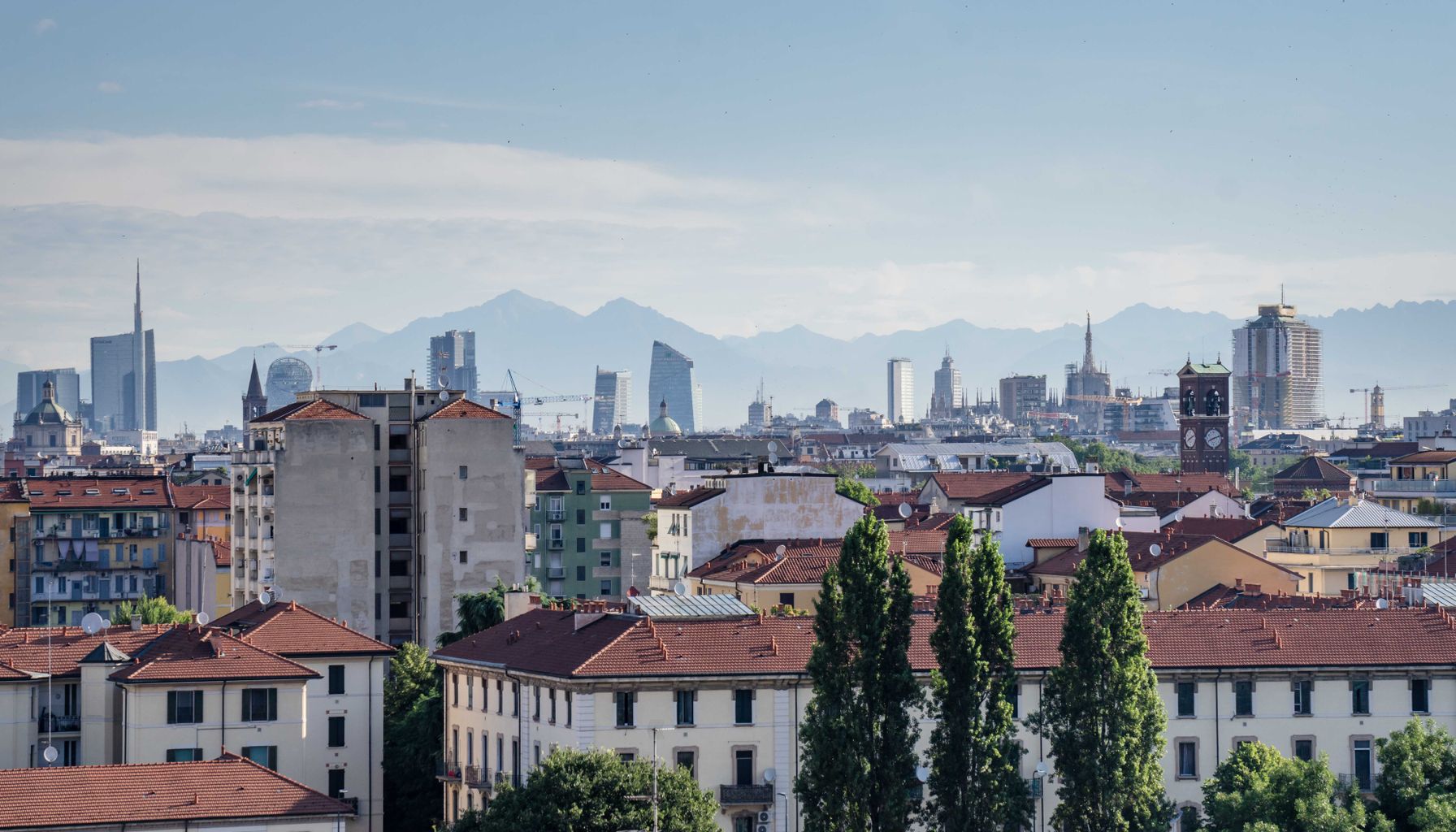
The major metropolitan areas continue as real estate appreciation centers. In Milan, the market remains heated due to the flow of international professionals and expansion of the financial and technology sectors. Rome, in turn, combines high tourist demand with pressure on properties in the historic center, while Florence maintains high values driven by the short-term rental market aimed at tourists.
Given this scenario, smaller municipalities have launched initiatives to attract new residents. Incentive programs for property purchases in cities with declining populations — especially in regions like Molise, Abruzzo, Basilicata, and some areas of Sicily — continue to be publicized by local city halls, with houses sold for symbolic values upon commitment to renovation. These initiatives vary from comune to comune and require direct verification with municipal administrations, as conditions change frequently.
Less explored regions by immigrants, such as Basilicata, Molise, and the interior of Sardegna, offer lower cost of living and smaller communities, which can be advantageous for those seeking tranquility and less budget pressure. These areas also typically have a strong presence of Italian descent among Brazilians, which facilitates cultural adaptation.
Tax Regime for Foreigners: What to Know Before Moving
Italy maintains special tax regimes designed to attract new residents, including foreign retirees and qualified workers. These regimes provide reduced taxation on income generated abroad for a determined period, but the rules have been subject to adjustments in recent years, with stricter eligibility criteria imposed by the Italian government.
Before moving, it's essential to:
- Consult a commercialista (Italian accountant) specializing in international taxation.
- Verify if the regime applicable to your profile (retiree, self-employed worker, company employee) is still in effect and what the updated requirements are.
- Simulate the total tax burden considering income from foreign sources and any income already generated on Italian territory.
Since each case has particularities — previous time of residence outside Italy, type of income, destination region — the general recommendation is to seek specialized professional guidance before making the decision for a permanent move.
Job Market: Growing Sectors and Updated Visas
The Italian job market in 2026 shows growth in sectors such as information technology, healthcare, tourism, and renewable energy, areas facing local skilled labor shortages. Italian companies have turned to foreign professionals to fill vacancies in regions with declining economically active populations.
The national minimum wage does not exist formally in Italy as a single value fixed by law — salary floors are defined by collective labor agreements for each professional category (contratti collettivi nazionali di lavoro). This means remuneration varies considerably depending on the sector and region, with higher averages in the industrialized North and lower in the South.
For foreign workers, the main legal entry paths remain:
- Subordinate work visa, linked to prior hiring by an Italian company and subject to annual quotas from the decreto flussi.
- Visa for self-employed work, directed at professionals and entrepreneurs.
- Permesso di soggiorno (residence permit), mandatory for any foreigner staying in the country for periods exceeding 90 days.
Brazilians of Italian descent who have Italian citizenship recognition have significant advantage in this process, as they gain the same work and residence rights as other European Union citizens, without need for visas or special permits.
Public and Private Healthcare: Costs for Residents
The Servizio Sanitario Nazionale (SSN), Italy's public healthcare system, guarantees access to legal residents through registration with the local service, generally linked to residence registration and payment of an annual fee (ticket sanitario), whose value varies according to income and applicant status.
For those seeking faster service or supplementary coverage, the private health insurance market remains active, with plans varying considerably depending on coverage, insured person's age, and region. Families moving to Italy usually consider supplementary insurance in the first months, the period when SSN registration is still being processed.
Total medical expenses for a family depend directly on usage profile: routine consultations and emergencies are usually covered by the public system, while specialized exams with shorter wait times and dental care typically require out-of-pocket payment or supplementary insurance.
Transportation: Passes, Personal Vehicle, and Alternatives
Public transportation remains the most economical option in major Italian cities. Milan, Rome, and Florence maintain integrated metro, bus, and tram systems, with monthly passes that vary according to the city and user's age group — students and seniors typically have reduced fares.
Maintaining a personal vehicle in Italy involves considerable costs: mandatory insurance (RC auto), circulation tax (bollo auto), fuel — among Europe's most expensive — and highway tolls. For this reason, many urban residents choose to forgo a personal car, relying on public transportation, shared bicycles, and mobility apps.
For those moving to smaller cities or rural areas, especially in the South, a personal vehicle is usually more necessary due to lower public transportation coverage, which should be considered in budget planning.
Monthly Budget and Initial Moving Costs
The monthly budget for living in Italy varies significantly depending on the lifestyle adopted:
- Economic: shared housing or in a small city, home-cooked meals, public transportation use — a profile more common in the South.
- Comfortable: private apartment in a mid-sized city, mixed dining between home and restaurants, some private transportation use.
- Luxury: property in a prestigious neighborhood of Milan, Rome, or Florence, frequent restaurant and premium service consumption, personal vehicle.
Regardless of profile, initial moving costs typically include: rental deposit (generally equivalent to several months' value), real estate agency fees, basic furniture, temporary health insurance, and emergency reserve for the first months of adaptation, a period when document regularization is still underway.
Some tips to maximize your budget:
- Research smaller cities before automatically opting for major centers.
- Check municipal housing incentive programs before finalizing a rental contract.
- Seek specialized tax guidance to take advantage of any favorable tax regimes.
- Consider Italian citizenship recognition as a long-term strategy, as it expands access to labor, social, and mobility rights within the European Union.
To keep up with the main cities aimed at tourism and residence, it's worth consulting the content about main cities for tourism and residence available on the portal.
The Italian economy in 2026 presents a scenario of gradual adjustments, with opportunities concentrated in less obvious regions and persistent challenges in major urban centers. For Brazilians of Italian descent, financial planning combined with understanding citizenship rights can make all the difference in turning the dream of living in Italy into a sustainable reality. For further updates on the topic, follow Italy News and specialized content on Life in Italy from Raízes Italianas.
Want to know if you're eligible for Italian citizenship? Speak with a specialized consultant.