Food Drive: 160,000 volunteers and 12,000 supermarkets mobilized
30th Day of the Food Collection in Italy (Nov 14): 160,000 volunteers and 12,000 supermarkets gather nonperishable foods for 1.7 million people.
Meta description: 30th Day of the Food Collection in Italy (Nov 14): 160,000 volunteers and 12,000 supermarkets gather nonperishable foods for 1.7 million people.
A 30th Giornata della Colletta Alimentare mobilized, on November 14, a nationwide network of volunteers and supermarkets to collect food intended for people in vulnerable situations in Italy. The initiative was organized by the Banco Alimentare ETS and sponsored by the Quirinale; according to ANSA, the President of the Republic Sergio Mattarella participated with a donation.
Summary of the initiative: Food Collection and Banco Alimentare
The 2026 edition marked three decades of the Giornata della Colletta Alimentare, an annual event whose mission is to raise nonperishable food donations for distribution to the most in-need. The action is coordinated by the Banco Alimentare ETS, which organizes logistics and the redistribution network, and it enjoyed institutional support from the Quirinale, as reported by ANSA.
Structure and participation: volunteering and supermarkets
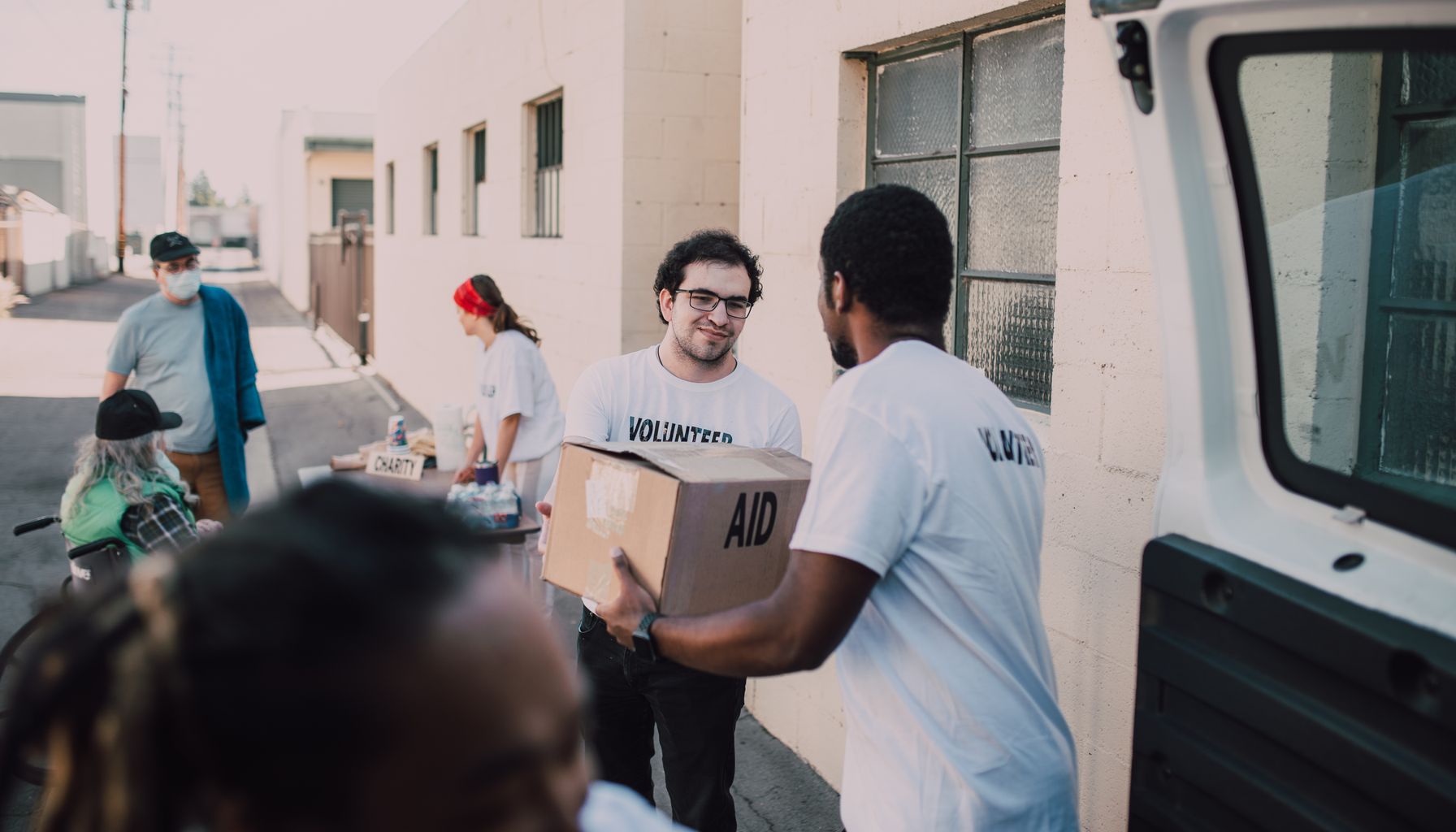
The mobilization involved more than 160,000 volunteers, easily identifiable by the orange bib, and presence in about 12,000 supermarkets across Italy. Volunteers worked at reception and guidance for donors at point-of-sale locations, as well as organizing and cataloging donations for transport.
- Volunteering: reception, screening, and packing.
- Supermarkets: points of contact for direct public donations.
The scale of this operation demonstrates the ability to coordinate civil society and retail trade, relevant for those following solidarity movements and community mobilization models, including Brazilians interested in initiatives in Italy. For more reports about the country, see the News from Italy.
What is collected and who benefits
Banco Alimentare asked the public to focus on nonperishable foods for everyday use and high nutritional value. Among the recommended items are:
- oil
- legumes and canned vegetables
- canned tomatoes and ready-made sauces
- canned tuna
- rice
- breakfast and snack products
The donations collected will be processed at Banco Alimentare's regional structures and distributed by its 21 regional offices to more than 7,500 partner organizations, including mense (cafeterias), family homes, communities, listening centers, and unità di strada (street units). According to data from Banco Alimentare cited by ANSA, these organizations serve more than 1,700,000 people in poverty or social fragility.
The logistics involve screening, expiry verification, categorization, and shipment to local entities that provide direct assistance. This operational chain is part of the solidarity economy model that Banco Alimentare has developed for years.
Institutional support: presidential involvement and public visibility
The participation of the President of the Republic, Sergio Mattarella, was highlighted by ANSA: in addition to the Quirinale's sponsorship of the initiative, Mattarella made a donation—an act that reinforces the institutional visibility of the campaign and signals the support of the highest office in the state for the fight against hunger and poverty in the country. Official involvement typically expands media coverage and public engagement with the event, aiding in fundraising.
Relevance for Brazilians and descendants: lessons and interest
For Brazilians of Italian origin and readers interested in citizenship, culture, and life in Italy, the Giornata della Colletta Alimentare offers practical indicators on:
- the scale of volunteer mobilization and the coordination between NGOs and commerce;
- the formats of donation campaigns (points in supermarkets, identification-tagged volunteering, regional logistics);
- replicable models for community initiatives in Brazil or in emigrant communities.
Those following topics like Cidadania Italiana or Vida na Itália can find in the Colletta examples of how Italian civil society organizes coordinated social response, useful information for local integration and solidarity projects.
How to track results and next editions
Results (quantities collected by food type, regional distribution, and impact on partner organizations) are typically released in the days following by Banco Alimentare’s network. Readers can follow updates on Banco Alimentare's official pages and in coverage from outlets like ANSA, as well as check related reports in Notícias da Itália.
The 30th edition of the Colletta Alimentare reinforces the presence of a well-organized culture of solidarity in Italy and shows how campaigns coordinated between NGOs, commerce, and public institutions can mobilize resources and volunteers on a large scale.
Source: ANSA.