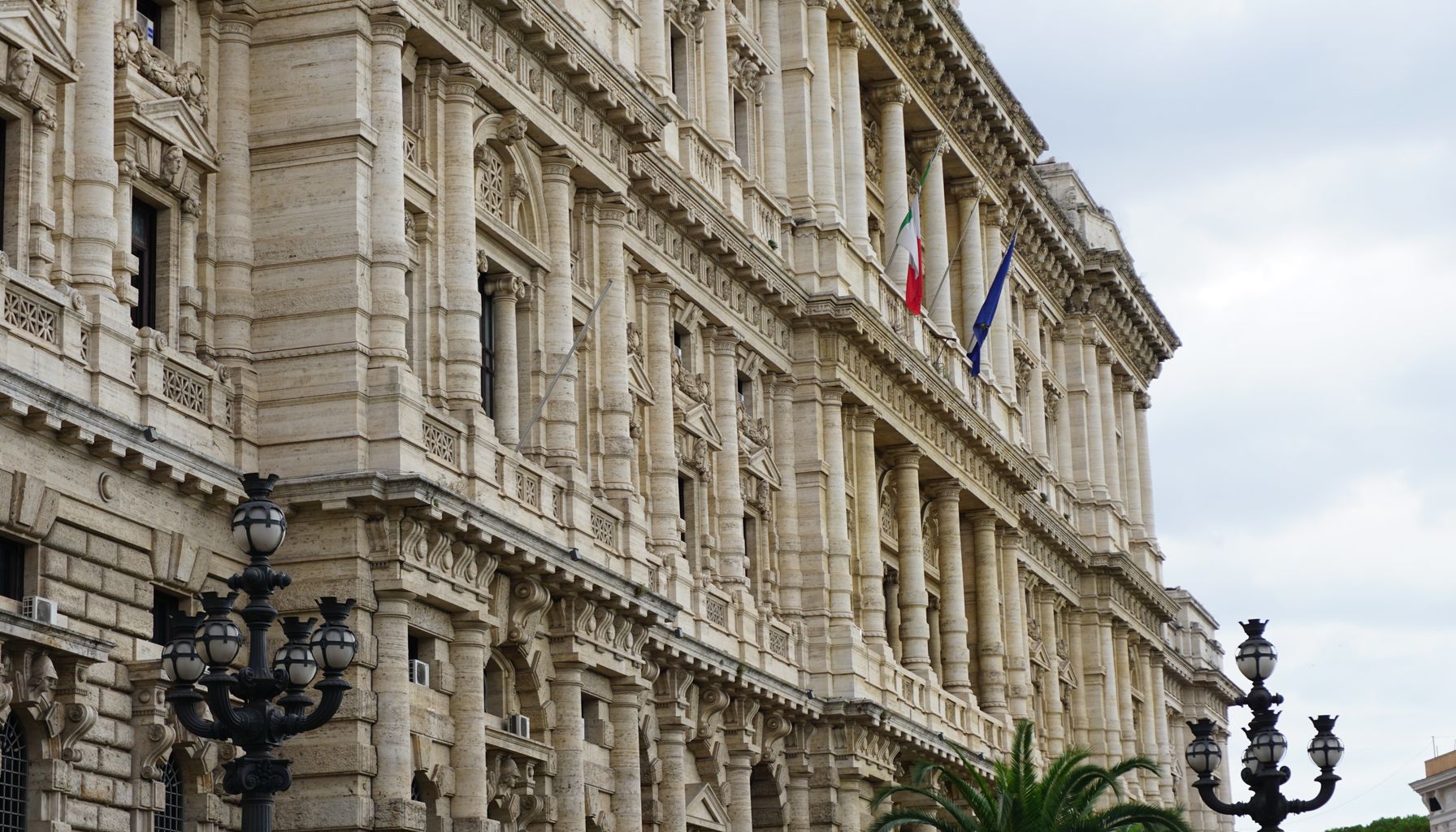
Autumn in Italy: Where to Travel From September to November
Autumn guide to Italy (Sept–Nov): grape harvest, foliage, truffles, chestnuts, and new olive oil. Regional tips — Tuscany, Piedmont, cities, mountains, and the south.
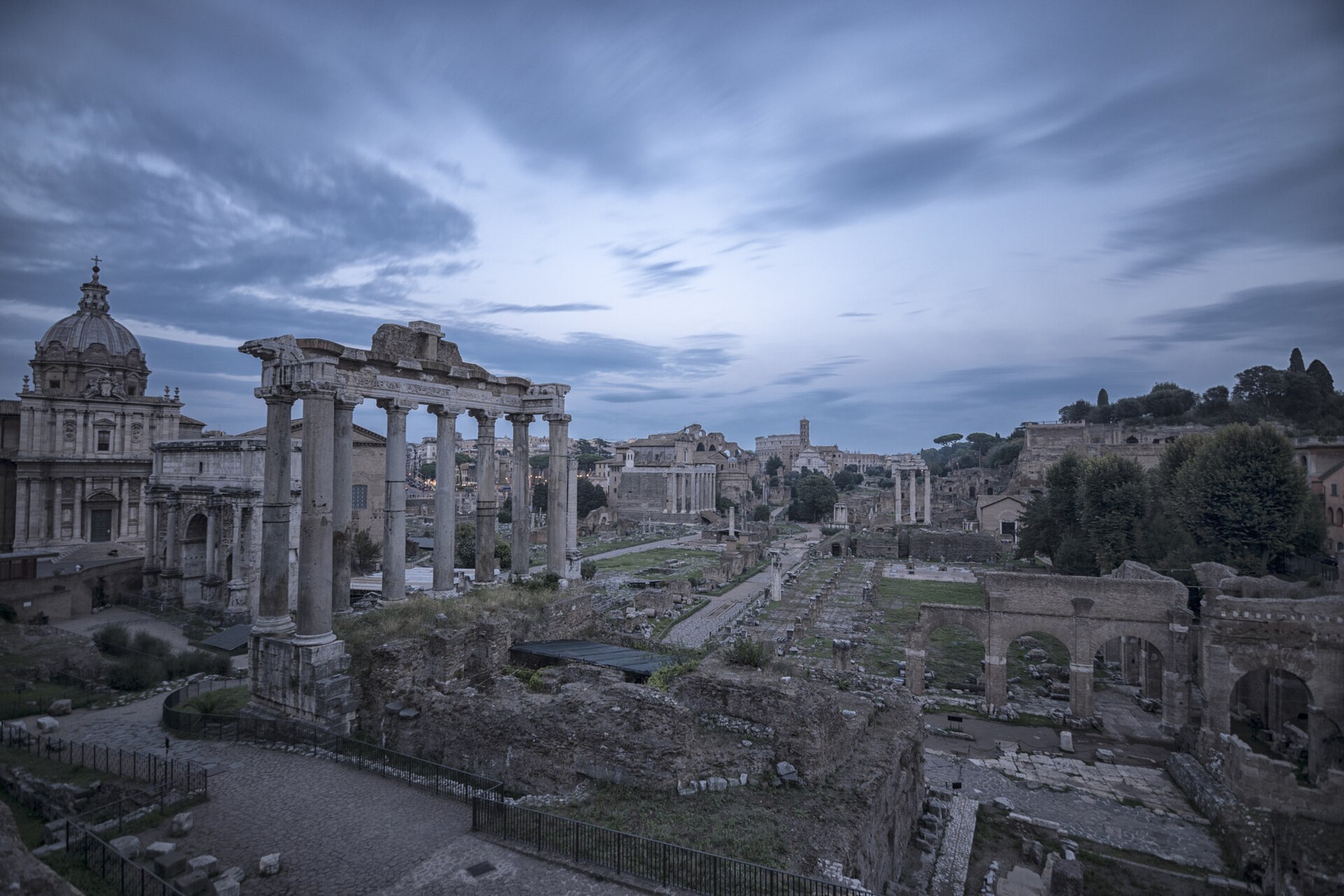
September to November are transition months in Italy: the grape harvest (vendemmia), the changing colors of leaves, and a dip in tourist crowds in many destinations, plus a culinary season marked by chestnuts, mushrooms, truffles, and new olive oil, according to Italianismo.
Seasonal snapshot: what changes in autumn Italy
- From September to October, the grape harvest occurs, with harvests in vineyards in regions like Tuscany and Piedmont, and October–November bring the change of leaf color (foliage) in rural and mountainous areas.
- The cuisine shines: chestnuts, mushrooms, and truffles come into focus; September and October are central for the grapes, while November gains importance for olive harvest and the arrival of new olive oil.
- The climate becomes more mild than in summer; however, November tends to be cooler and rainier in cities like Milan and Rome. In southern areas and the islands, days can stay warm into September, according to Italianismo.
Main regions and what to expect
Tuscany: grape harvest, rural landscapes, and foliage
Tuscany is one of the top autumn destinations: regions like Chianti, Val d'Orcia, Montalcino, and Montepulciano concentrate vineyards and rural landscapes that become especially photogenic with foliage in October and November. Casentino is frequently cited as a spot to observe the changing leaves. It’s an ideal time to combine wine-focused itineraries with visits to nearby historic towns.
Piedmont: wines and the truffle season
In Piedmont, the grape harvest season and the celebration of wines — Barolo and Barbaresco — accompany gastronomic events and the well-known truffle season (especially in Langhe and Alba). Turin works well as an urban base, while the Langhe hills offer rural and enogastronomic experiences. According to Italianismo, autumn is the peak period for those seeking product-driven cuisine.
Historic cities: Rome, Florence, Venice
- Rome: less heat in autumn, October tends to be mild; November already shows a higher chance of cold and rain. A great period for museums and archaeological sites with shorter lines.
- Florence: a good blend of city and countryside — serves as a base for trips to Siena, San Gimignano, and Val d'Orcia.
- Venice: October is pleasant for walking; beware of the risk of acqua alta in autumn and winter. The MOSE system can be activated during sustained tides, so check local forecasts when traveling.
North and the lakes: Milan and Lake Como
Milan is ideal in autumn for museums, architecture, and shopping, with less bustle than in summer. Lake Como and other lakes maintain interesting scenery with fewer tourists, making the period appealing for those seeking tranquility.

Mountains: Dolomites and the Alps
The Dolomites look beautiful in autumn, but many tourist services and cable cars may run in off-season mode: September is usually easier for trails and outings; in October and November you need to check lift and road operations, as offerings may shrink and the first snows can appear.
South and the islands: Sicily, Sardinia, Puglia
Sicily, Sardinia, and Puglia tend to keep warmer days at the start of autumn; September can still feel summery, making it a good month to combine city and coast without the peak-season crowds.
Practical tips to plan your autumn in Italy
- Choose the region by month: weather and attractions vary a lot between September and November.
- For rural itineraries in Tuscany and Piedmont, renting a car provides greater flexibility to move between vineyards and villages.
- In southern coastal areas, prefer September if you want to combine city and beach; for mountains, confirm cable car and lodging schedules before booking.
- Venice: check tide forecasts and local notices about acqua alta; the MOSE system can be activated during high tides.
- Pack layered clothing and a good waterproof jacket from October/November, especially in the north and in cities like Milan and Rome.
- Check local event guides for dates of grape harvest fiestas, truffle fairs, and chestnut festivals — these events are gateways to regional culinary experiences.
Relevance for Brazilians and descendants
Autumn in Italy offers milder weather and fewer crowds — favorable conditions for visiting historic and rural regions in comfort. The intense gastronomic season (wine, truffles, and new olive oil) provides cultural experiences that may interest Brazilians and descendants seeking ties with Italy, especially in regions like Tuscany and Piedmont, where it’s easy to pair historic cities with rural enotourism itineraries.
For related topics, see our sections on Italy News and Life in Italy; if you’re looking to address legal ties and citizenship, consult Italian Citizenship.
Conclusion: autumn is a transitional season offering variety — from grape harvests and rural trails to city visits with fewer tourists — and it allows mixing nature, cuisine, and heritage with more tranquility than summer. According to Italianismo, choosing the right month and region is the key to fully enjoying the season.
Source: Italianismo