Veneto Dialect in Brazil: Survival and Identity
Discover how the Veneto dialect persists among immigrants in Brazil, its variants, cultural uses, and preservation initiatives across rural and urban communities today.
Meta description: Discover how the Veneto dialect persists among immigrants in Brazil, its variants, cultural uses, and preservation initiatives across rural and urban communities today.
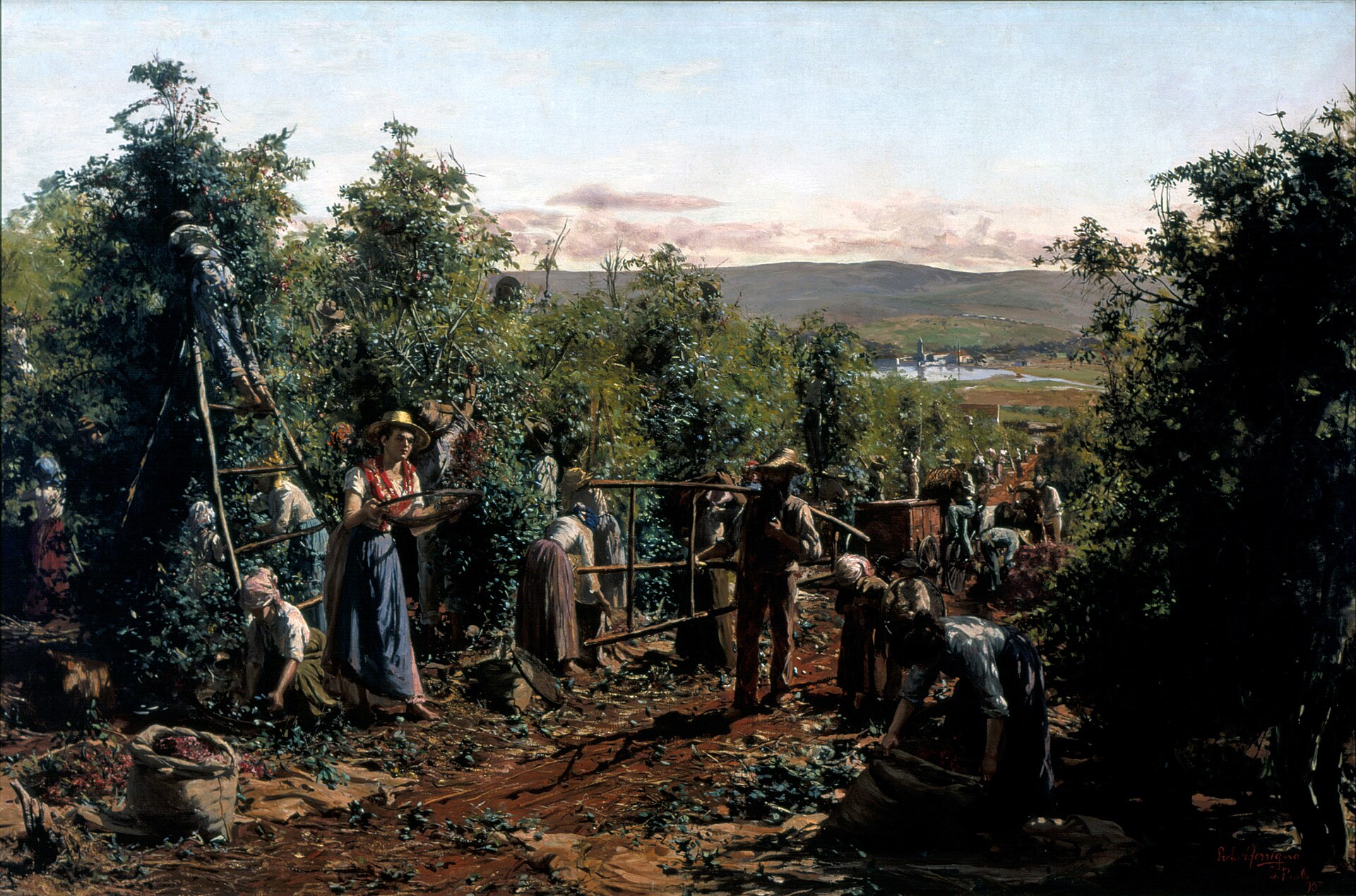
The presence of the Veneto dialect in Brazil dates back to the waves of Italian immigration in the late 19th and early 20th centuries and remains marked by rural and urban communities where the language functions as a marker of cultural identity. According to historical records and immigration museums, Veneto was brought by families who came mainly from Northeast Italy and settled in regions of the South and Southeast Brazil (see Museu da Imigração de São Paulo: https://museudaimigracao.org.br).
Historical context and where Veneto is spoken today
The Italian migratory flow to Brazil between 1870 and 1920 included a substantial number of immigrants from Veneto. These communities concentrated in states such as Rio Grande do Sul, Santa Catarina, and São Paulo, where they formed agricultural communities and urban neighborhoods.
- Main communities: municipalities such as Caxias do Sul (RS), Nova Veneza (SC), and colonies in the interior of São Paulo maintain Venetian traditions. The city hall and institutional materials of Nova Veneza highlight the cultural use of Veneto in local festivals and celebrations (https://www.novaveneza.sc.gov.br).
- Current uses: the dialect appears in traditional festivals, in the everyday speech of older adults, and in cultural events. In rural areas family transmission was more enduring, according to archives and documented reports by immigration museums and regional studies (Museu da Imigração de São Paulo, https://museudaimigracao.org.br).
Variations and differences between Brazilian Veneto and Italian Veneto
The Veneto spoken in Brazil is not a single, homogeneous form: there are regional variations among communities and generations.
- Regional variations: the range includes more archaic forms preserved in isolated communities and forms strongly influenced by contact with Portuguese in urban centers.
- Differences from Veneto in Italy: Brazilian Veneto often preserves lexical and phonetic traits that in Italy were transformed by standardization and by contact with standard Italian. Additionally, syntactic structures and lexical borrowings differ due to Portuguese influence.
- External influences: Portuguese is the major force of change; in some areas there was also contact with other immigrant languages, such as Lombard, and with Italian varieties brought by immigrants from different regions. Italian lexicographic and encyclopedic sources, like the Istituto Treccani, describe Veneto as a set of regional dialects with great internal diversity (https://www.treccani.it).
Preservation: schools, associations and intergenerational transmission
Preservation of Veneto in Brazil relies on community initiatives and the domestic sphere.
- Organized practices: there are cultural groups, immigrant associations, and local events that promote workshops, language classes, and theatrical performances in Veneto. Traditional festas — often linked to cuisine — are key moments of visibility.
- Intergenerational transmission: intergenerational transmission remains the main channel. When parents and grandparents continue speaking the dialect with children, continuity is stronger; where this transmission ceases, the language tends to lose native speakers.
- Challenges: globalization, migration to large urban centers, and the social prestige of Portuguese among youth hinder continuity. Research on immigrant languages indicates that maintenance depends on factors such as schooling, local supportive policies, and the presence of the dialect in media.
- Community recognition: in various cities, Veneto has gained symbolic value and is promoted in festivals, museums, and tourist itineraries, which helps cultural visibility (Museu da Imigração, local archives).
Culture and identity: festivals, music and literature
Veneto in Brazil redefines cultural practices and helps shape hybrid identities.
- Festivals and music: events such as colonial festas, religious celebrations, and food festivals include songs, dances, and speech in Veneto, reinforcing community bonds. Regional Italian cuisine (see the culinaria section of the portal) is often the space where the dialect appears in dish names and family instructions.
- Literary and artistic references: in some communities there is production of poetry, oral stories, and small publications that record the local Veneto — important instruments for collective memory.
- Mixed identity: the use of Veneto creates a sense of belonging specific to descendants of Italians, blending Italian and Brazilian traits and influencing how these people see themselves and present themselves socially. The language functions both as an emotional bond and as a public sign of origin.
How to learn and where to find resources
For those who want to learn Brazilian Veneto or delve into local variants, practical paths exist.
- Practical tips:
- Attend community events and conversation circles in municipalities with Veneto traditions.
- Seek local cultural associations that offer workshops or courses.
- Value direct contact with older speakers to acquire pronunciation and idiomatic expressions.
- Digital resources and materials:
- Podcasts and regional channels may offer Veneto episodes; look for local productions from community radio stations.
- Immigration museum archives and municipal libraries often provide documents, regional dictionaries, and oral records (Museu da Imigração: https://museudaimigracao.org.br).
- Events and groups: check local festival calendars and immigrant associations on social networks. For broader questions about immigration and citizenship, the portal provides content on cidadania and Notícias da Itália, in addition to reports on Vida na Itália.
Conclusion The Veneto dialect in Brazil survives as living cultural heritage in communities spread across the country, maintained through family transmission, cultural activities, and growing recognition of its symbolic value. Continuity will depend on the coordination between local initiatives, documentation, and the interest of new generations in preserving this linguistic heritage.