Traditional Carbonara 2026: How to Make the Real Recipe
Discover the true carbonara of 2026, with step-by-step instructions and authentic tips for classic flavor and creamy texture.
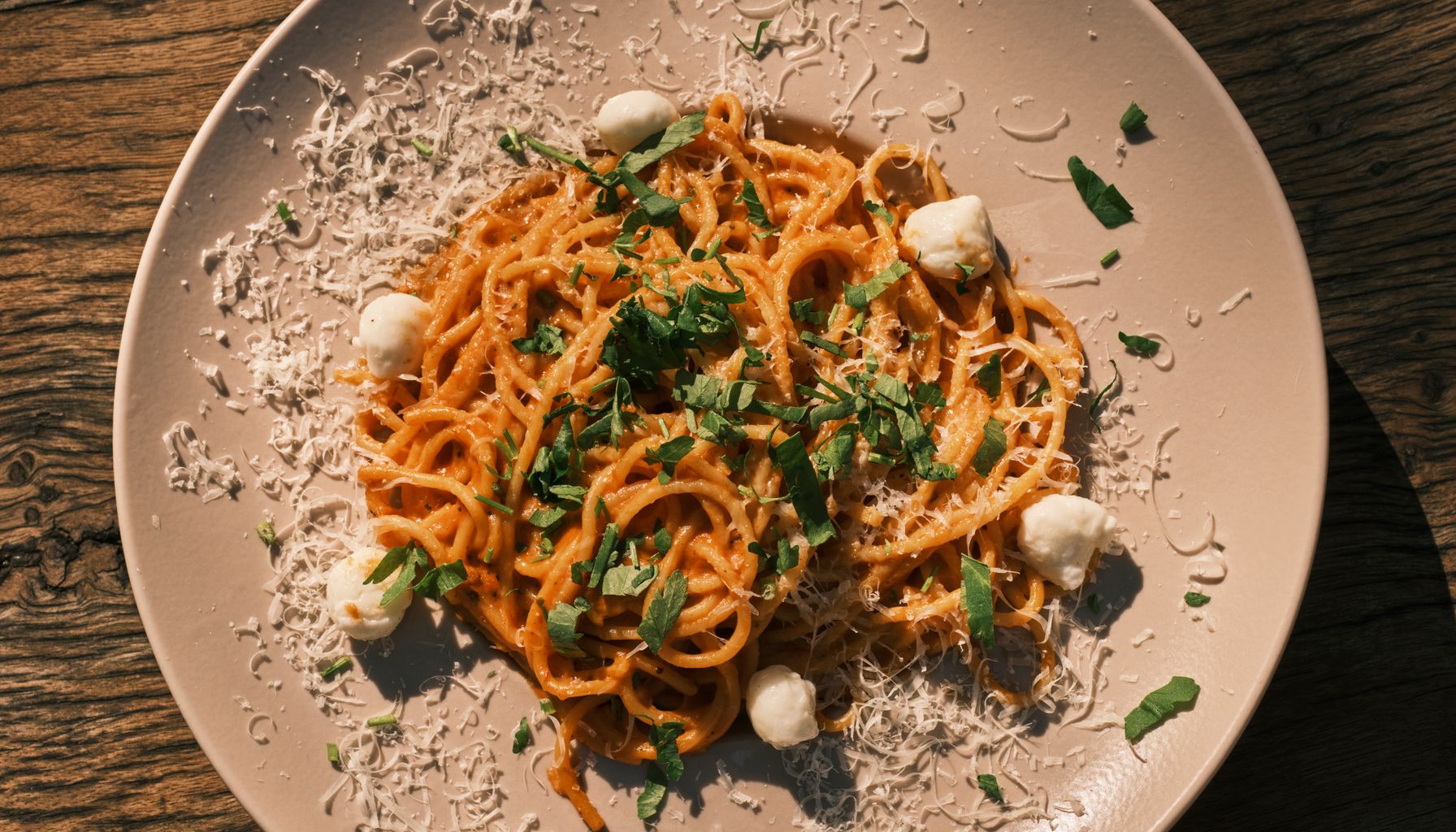
A traditional carbonara may look simple, but it requires precise techniques and ingredients to achieve the creamy texture and authentic flavor. This recipe summarizes the classic method for 2026, with ingredient tips, assembly steps, and variations accepted according to Italian references.
Meta description: Discover the true carbonara of 2026, step-by-step and authentic tips for classic flavor and creaminess without fail.
Historical context and the Italian classic version
Carbonara originated in central Italy and became a symbol of the Roman cuisine of the 20th century. According to the Accademia Italiana della Cucina, the traditional recipe — without cream, without bacon substituting guanciale, and without onions — is based on a few well-balanced elements (egg, cheese, guanciale, and pasta) and an emulsion technique between fat and eggs to achieve the characteristic texture (source: https://www.accademiaitalianacucina.it). Respecting these choices defines the traditional carbonara.
Why avoid substitutions

- Cream, butter, or onions alter the emulsion structure and the original flavor.
- Bacon (smoked pancetta) and guanciale (cured pig cheek) have distinct profiles: guanciale offers more fat and a more authentic flavor; pancetta can be used in place of guanciale, but it changes the result.
- Frequent substitutions transform the recipe into another dish — that’s why many Italian chefs and publications advocate staying faithful to the technique (see Gambero Rosso: https://www.gamberorosso.it).
Summary of basic ingredients and their roles
- Pasta (spaghetti or rigatoni): carrier of the emulsion; should be al dente.
- Guanciale: source of aromatic fat and crispy texture.
- Eggs (whole or just yolks, per preference): form the cream when emulsified with the fat.
- Pecorino Romano: salt and acidity, plus bold flavor.
- Freshly ground black pepper: aromatic finish.
Choosing and preparing key ingredients
Guanciale or pancetta
- Prefer guanciale cured, cut into strips or cubes; fry over medium heat until the fat renders and the exterior is crispy. Guanciale is not smoked — this preserves the expected profile.
- If unavailable, use non-smoked pancetta; avoid smoked bacon, which gives a different taste.
Cheese
- Use Pecorino Romano grated fresh. The cheese should be fine to incorporate easily into the emulsion. Some chefs blend a small amount of Parmigiano Reggiano to soften, but traditional Roman style prioritizes pecorino.
Eggs
- Many authentic recipes use only yolks, for more richness, or yolks + whole eggs for a lighter texture. Choose fresh, high-quality eggs.
Pasta and ideal doneness
- Cook the pasta in well-salted water until al dente (one minute less than the package indicates). Reserve 1–2 cups of cooking water — essential for adjusting the emulsion.
Assembly: fat and egg emulsion
Step-by-step
- Cook the pasta; reserve the cooking water.
- Meanwhile, fry the guanciale until golden and the fat renders. Remove the pan from heat to avoid overheating the egg mixture later.
- In a large bowl, whisk the yolks (or yolks + whole eggs) with the grated pecorino and plenty of pepper. The mixture should be creamy.
- Drain the pasta, keeping a light amount of water. Transfer the hot pasta to the pan with the guanciale and mix quickly to coat with the fat.
- Off the heat, add the egg mixture to the pasta, stirring vigorously and adding small portions of cooking water until a silky emulsion forms that coats the pasta. The pasta’s heat cooks the eggs without scrambling.
How to avoid scrambling the eggs
- Never put the eggs directly on the flame. Work off the heat and use the hot pasta to cook them gently.
- If the mixture starts to become grainy, add hot cooking water and whisk vigorously; the hot water helps recombine the emulsified proteins.
Regional variations allowed
- Extra yolks (more creaminess) are common in some households.
- Replacing part of the pecorino with Parmigiano changes the profile, but it remains a well-loved variation, though less “Roman.”
Common mistakes, timing, and pairing
Common mistakes and fixes
- Eggs coagulated (egg-like texture): fix by adding hot water and whisking quickly; if irreversible, use a knob of cold butter to try to recompose the texture (palliative).
- Pasta under-seasoned: adjust with cheese, but the cooking water should be well salted.
- Burnt guanciale: discard the burnt parts, keep the fat that isn’t bitter.
Ideal prep time and timing
- Start frying the guanciale when 4–5 minutes remain for the pasta to be ready; this ensures the fat is hot and the pasta is fresh enough for the emulsion.
- Total time: 15–20 minutes from the start of cooking the pasta.
Pairing
- Dry, structured white wines (Verdicchio, Frascati) or light reds (Chianti joven) pair well with the richness of the dish.
- Traditional accompaniments are minimal: a simple salad or rustic bread; carbonara should take center stage on the plate.
Presentation, FAQs, and substitutions
Presentation tips
- Serve immediately, with freshly ground pepper and a light shaving of pecorino on top.
- Use deep plates so the emulsion envelops the pasta better.
Frequently asked questions
- Can I use cream? Not in the traditional recipe; it changes texture and flavor.
- Which pasta to use? Spaghetti or rigatoni are classics; choose high-quality pasta.
- How many yolks per portion? On average, 1 yolk + 1 whole egg per person, or 2 yolks per person for richer texture.
Substitutes when needed
- Non-smoked pancetta in place of guanciale.
- Pecorino + Parmigiano mix if pure pecorino is too strong for some palates.
Practical summary for faithfully reproducing the recipe
- Key ingredients: al dente pasta, crispy guanciale, eggs (prefer yolks), Pecorino Romano, pepper.
- Key technique: off-heat emulsion using cooking water.
- Things to avoid: cream, smoked bacon, onions — these changes undermine traditional carbonara.
To read more about Italian culinary traditions and variations, see the Italian cuisine section of Raízes Italianas. For other readings about life and culture in the country, visit Life in Italy and the latest Italy news.
Carbonara is an example of how technique and respect for ingredients make all the difference; by repeating the steps above, it is possible to achieve at home the texture and flavor that define the traditional recipe.
Raízes Italianas