Polenta: A History That Shaped Italian Immigration in Brazil
Discover how polenta shaped the diets and culture of Italian immigrants in Brazil, from humble grains to enduring family traditions across generations.
Polenta arrived in Brazil with Italian immigrants and, over more than a century, transformed from a subsistence food into a culinary and cultural symbol for entire communities, especially in the South and Southeast of the country. In this text, Raízes Italianas traces the history, variations, and legacy of polenta in the trajectory of Italian immigration in Brazil.
Meta description: Discover how polenta shaped the food and culture of Italian immigrants in Brazil, from humble grains to enduring family traditions.
Origins of polenta in Italy and its role in rural areas
Polenta has deep roots in the rural zones of Northern Italy, where the dish — originally based on cereals such as barley and farro, and later predominantly on corn — was daily fare for the popular classes. According to the Treccani encyclopedia, polenta consolidated as a basic food in the Alpine and pre-Alpine regions due to its practicality and low cost (per Treccani).
- Food of survival: in rural communities, polenta represented an affordable and easy-to-produce source of calories on simple stoves.
- Domestic economy: the ability to vary accompaniments — leftovers of meats, local cheeses, vegetables — made polenta an economic base for low-income families.
- Regional identity: though simple, polenta displayed local variations (texture, added ingredients) that made it a cultural marker between villages and valleys.
Arrival in Brazil and adaptation of Italian recipes
When immigrants landed in Brazil from the late 19th to the early 20th century, they brought eating practices that needed to be adapted to new environmental conditions and ingredient availability.

- Ingredient adaptation: corn, already cultivated in Brazil, easily replaced the cereals originally used in Italy, accelerating polenta adoption among immigrant communities. Agricultural and historical data on corn cultivation in Brazil indicate widespread production in the South and Southeast since colonial and imperial times (see institutional information from Embrapa on corn).
- Regionalization: as Italian families settled in rural colonies and urban peripheries, polenta began to integrate into local dishes and festivities. The Museu da Imigração do Estado de São Paulo documents testimonies and images showing polenta as a constant presence on the tables of Italian immigrants in the state (in accordance with the Museu da Imigração de São Paulo).
- Cultural perspective: the simple recipe allowed polenta to spread beyond Italian communities, influencing dishes in Brazilian culinary traditions, especially in states such as São Paulo, Rio Grande do Sul, Paraná, and Santa Catarina.
How it’s prepared: variations and traditional accompaniments
Polenta presents several textures and ways of serving, each with its own preparation rituals.
Texture variations:
- Soft polenta: cooked until creamy, eaten immediately.
- Firm polenta: allowed to set, then sliced; common at counters and community meals.
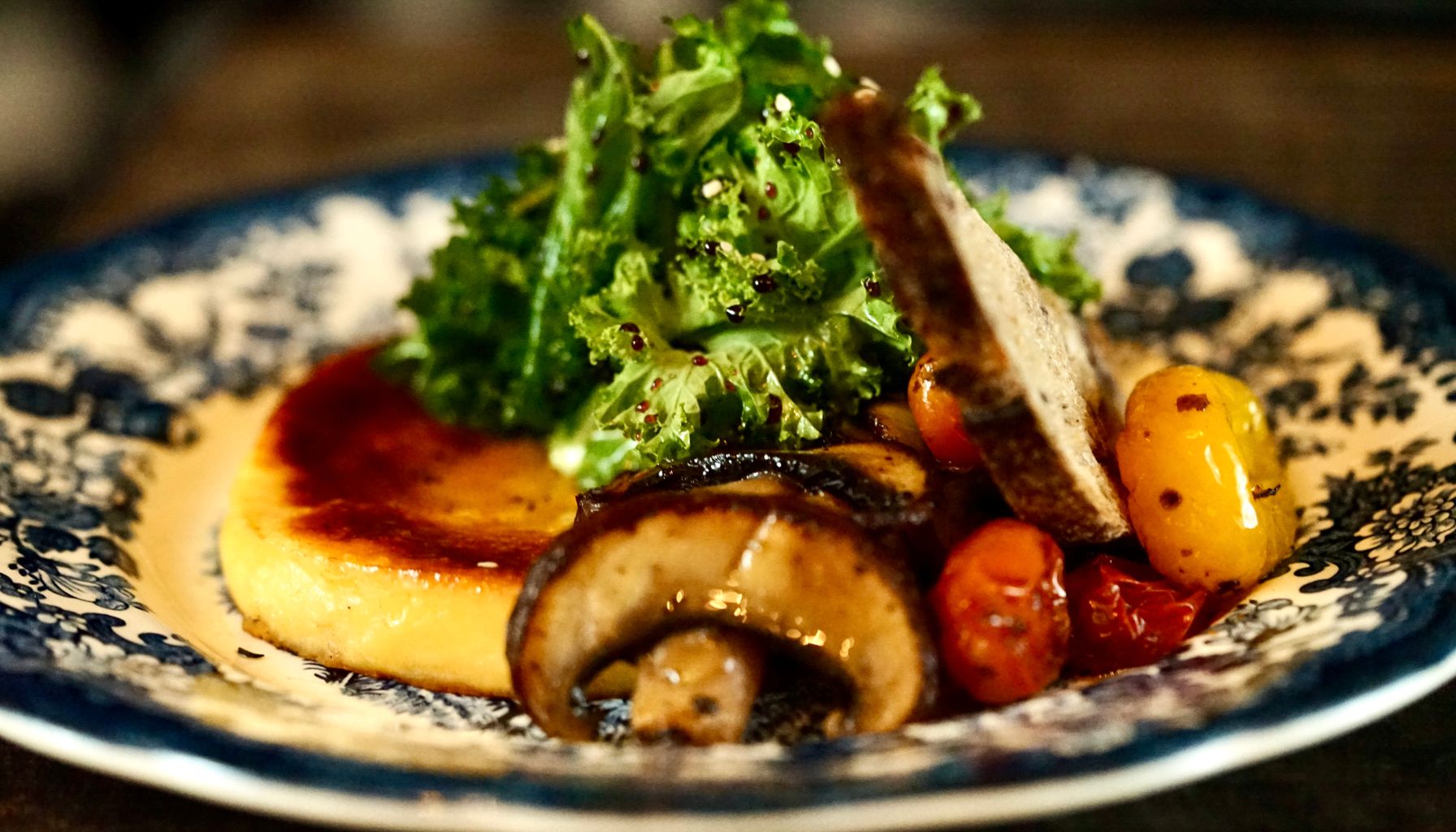
- Fried polenta: slices of firm polenta fried until golden, served as a side dish or snack.
Traditional accompaniments:
- Cheeses: local or aged Italian cheeses, grated or melted over polenta.
- Mushrooms: in mountainous regions, sauces with wild mushrooms were common.
- Meats and sauces: meat ragù, sausages, or roasted leftovers complemented the meal.
- Tomato sauce: in colonies with access to tomatoes, polenta began to be served with a sauce similar to the Italian version.
Family ritual: the so-called “Sunday polenta” or Sunday lunch became a tradition in many families, a moment of gathering and passing down recipes between generations.
Polenta as a cultural document and survival tool
Beyond nourishment, polenta acted as a social link during the formation of Italian colonies in Brazil.
- Bridge between generations: the practice of cooking polenta, passed from parents to children, helped maintain cultural ties. Research and collections of family recipes preserve local variations and memories associated with the dish (accounts collected by museums and local memory centers).
- Historical records: archives of communities and memory institutions (such as immigrant museums and Italian cultural centers in Brazil) preserve photos, menus, and testimonies documenting the constant presence of polenta in communal meals.
- Food policy: in scarcity scenarios, polenta was a key element to feed entire communities thanks to the low cost of corn and the versatility of its preparation — a factor frequently cited in studies on food survival of immigrants in new lands.
Sources on this cultural dimension include archives and documents from the Museu da Imigração de São Paulo and ethnographic studies published by immigration research centers (according to the Museu da Imigração de São Paulo; academic studies on Italian immigration).
Contemporary legacy and practical tips for Brazilian readers
The influence of polenta remains present in contemporary Brazilian cuisine, both in restaurants and in home kitchens.
Culinary legacy: regional chefs and cooks revisit traditional recipes and reinterpret them with local ingredients or modern techniques, keeping polenta as an element of identity and culinary innovation.
Accessible recipes (basic versions):
- Traditional soft polenta: 1 part cornmeal to 4–5 parts water (or stock), salt to taste; cook, stirring constantly until creamy; finish with butter and grated cheese.
- Firm polenta for slicing: prepare as above, pour into a greased mold, cool until firm; cut into slices and grill or fry.
- Crunchy fried polenta: cut firm polenta into sticks, bread if desired, and fry in hot oil until golden.
Modern storage and preparation tips:
- For less work: use a flavorful stock (vegetable or chicken) instead of water for more flavor.
- Storage: firm polenta can be refrigerated up to 4 days in a closed container; to freeze, cut into portions and store in a plastic bag.
- Reuse: slices of polenta make good bases for tapas, canapés, and party sides.
For those who want to contextualize polenta within immigration and Italian culture beyond the kitchen, check out related pieces on our portal about culinária italiana and stories of Vida na Itália. For readers interested in broader aspects of the Brazil-Italy relationship, there are contents about cidadania italiana and notícias sobre Itália at Raízes Italianas.
Polenta, a simple mix of grains and water, has kept memories of journeys, long nights of work, and shared meals — and today continues to unite Brazilian and Italian generations at the table.