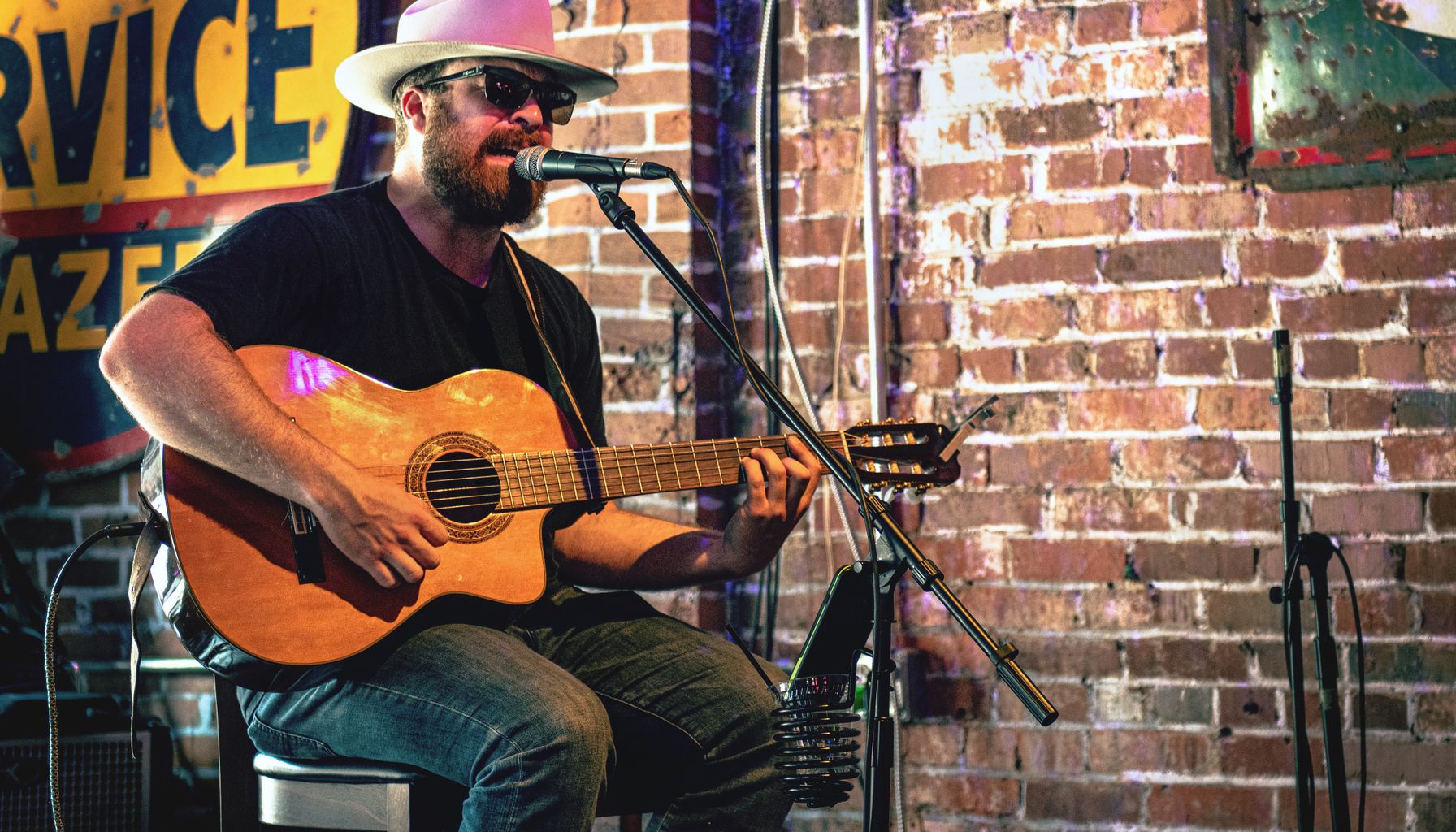
Zakharova asks Meloni to listen to Al Bano about reopening doors to Russia
Russian spokesperson Maria Zakharova shared an interview with Al Bano in which he asks Meloni to end sanctions and reopen Russia's doors, according to ANSA.
Maria Zakharova, the spokesperson for the Russian Ministry of Foreign Affairs, published on October 24, 2026 a message on Telegram in which she shares an interview with the singer Al Bano and asks the Italian Prime Minister Giorgia Meloni to consider the artist's call to reopen ties with Russia and suspend sanctions, according to the ANSA agency.
What Maria Zakharova said
In the October 24, 2026 post, Zakharova quoted passages from an interview with Al Bano released on YouTube on October 21, 2026. The Russian spokesperson repeated the singer's public appeal for Italy to “reopen the doors” to Russia and stop imposing sanctions. According to ANSA, Zakharova directly urged Meloni to “listen” to the artist, using the interview as the basis for a public diplomatic appeal.
Zakharova used the Telegram platform to amplify the message, highlighting Al Bano's media reach and attempting to give him political weight. The move inserts a cultural figure into the debate over foreign policy, turning a personal stance into a symbolic pressure tool between Moscow and Rome.
Al Bano's appeal (per the post)
In the interview excerpt, Zakharova attributed to Al Bano an emphasis on the historical and cultural ties between Italy and Russia, and stated that the singer asked Prime Minister Meloni to work toward lasting peace in Ukraine. The message quoted lines from Al Bano about Russia as a country that is “che ci ama” (“that loves us”), Italian phrasing highlighted by Zakharova to underscore an affectionate tone in the relationship between the peoples.

The post, according to ANSA, is not a direct report of an official Italian speech, but the release of an interview published on YouTube, which Zakharova used politically to question the Italian government's stance on sanctions and Moscow's diplomatic isolation.
Criticisms and observations by Zakharova
Zakharova asked whether Al Bano's voice would be heard in Rome and suggested that Italian authorities have difficulties accepting dissenting voices from the dominant political discourse. She cited, in the post, demonstrations by young people in Italy and insinuated suspicions of foreign influence over protests, joking whether Italian intelligence services would investigate Al Bano himself for his stance.
The post combines criticism of the government with questions about the plurality of opinions in Italy, pointing to a broader debate about freedom of expression versus consistency in foreign policy during times of international conflict.
Relevance for Brazilians and descendants of Italians
The interaction between a celebrated Italian public figure and a Russian government spokesperson has symbolic and practical implications for the Italo-Brazilian community. First, it involves a well-known personality in the Italian cultural sphere, whose voice may resonate among Brazilians of Italian origin who follow Italian music and culture. Second, debates about Italy's foreign policy—including sanctions and relations with Russia—could affect cultural exchanges, exchange programs, public events, and travel, topics of interest for those who follow Notícias da Itália and live between the two countries.
Changes in Italy's diplomatic stance, if they were to occur, would also influence areas like tourism and cultural exchange, topics covered by sections such as Vida na Itália and of interest to readers seeking information about procedures and opportunities related to Italy, including in matters of Cidadania Italiana.
Political and media context
The episode shows how social networks and public figures enter the realm of symbolic diplomacy: a widely recognized artist can have his or her statement transformed into a tool of propaganda or international appeal. Zakharova's post and her call to Meloni come at a moment of sensitivity in relations between the European Union, Italy, and Russia, when decisions on sanctions and dialogue continue to be a subject of political and media debate.
Beyond the immediate reach of the post, the Russian spokesperson's attitude reveals a strategy of international visibility: using cultural voices to question foreign government policies and, at the same time, test the resilience of Italy’s public debate in the face of external pressures.
Conclusion The Russian spokesperson Maria Zakharova's dissemination of an interview with Al Bano, which urged Prime Minister Giorgia Meloni to reopen relations with Russia and suspend sanctions, sparked symbolic repercussions at the intersection of politics and culture. The case highlights how cultural figures can become central to diplomatic disputes and anticipates debates about freedom of expression, external influence, and the future of Italy–Russia relations, topics relevant to those following Notícias da Itália and the lives of Brazilians with Italian roots.
Source: ANSA