When the smartphone becomes a tool of control and abuse
Kaspersky report: 32.8% in Italy suffered digital abuse in 12 months; punitive blocking, offensive messages, and cyberstalking are common.
Meta description: Kaspersky report: 32.8% in Italy suffered digital abuse in 12 months; punitive blocking, offensive messages, and cyberstalking are common.
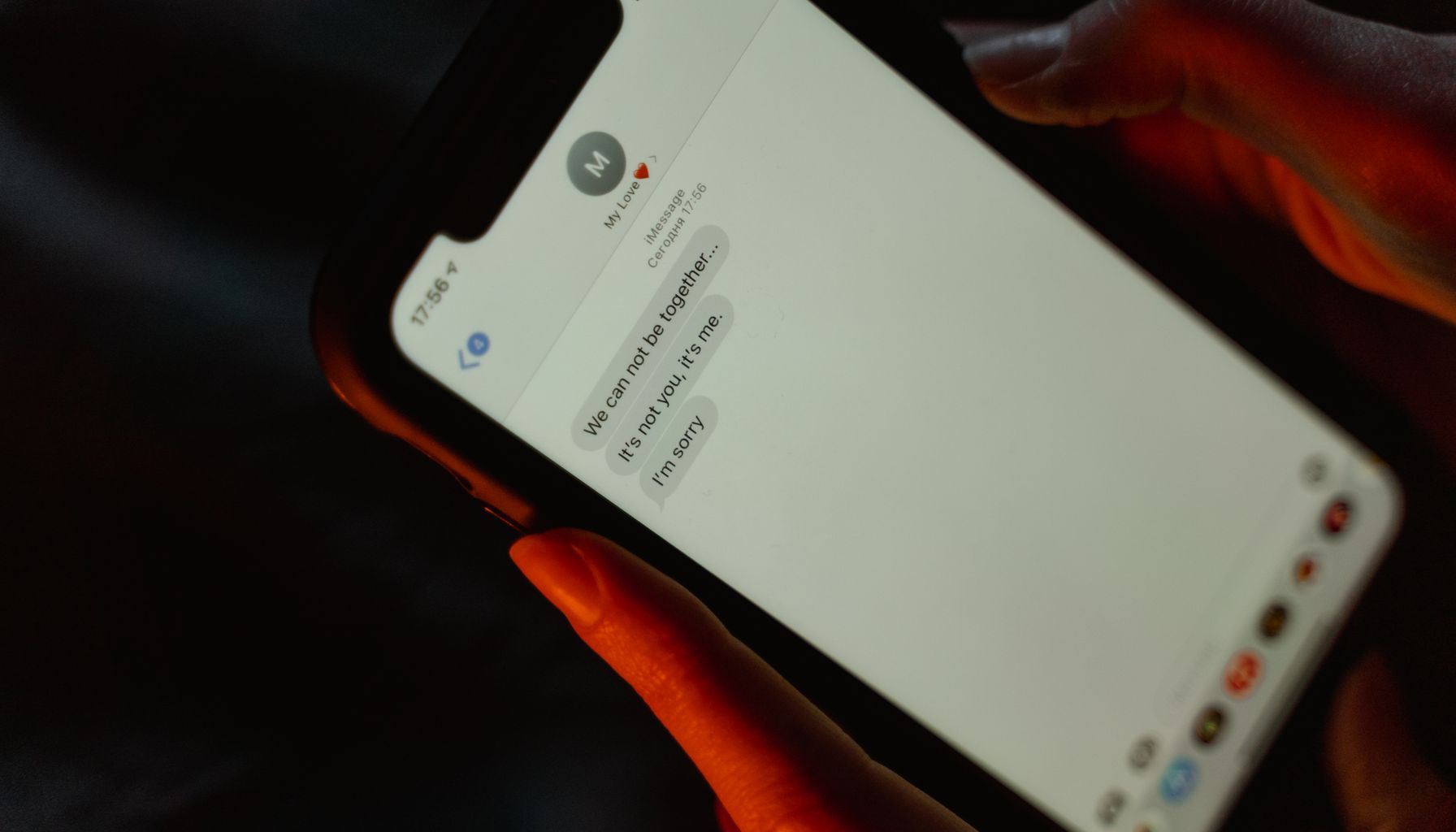
The smartphone, used by millions to communicate and work, has also become a tool for control and abuse: 32.8% of people in Italy reported at least one episode of digital violence in the last 12 months, according to a Kaspersky report released in 2026, as reported by ANSA. The study reveals patterns, groups more exposed, and online security perceptions by gender.
Summary of the report’s main findings — digital violence and the scope of the problem
The Kaspersky report shows that among interviewees in Italy:
- 32.8% reported at least one case of digital abuse in the last 12 months.
- The average number of offensive behaviors experienced per victim is 2.4.
- Only 26% of respondents said they knew what “technology-facilitated abuse” means — a term describing abusive or controlling behaviors facilitated by smartphones, apps, social networks, and other digital tools.
The figures were compiled by Kaspersky and published publicly; the information reproduced here follows ANSA’s reporting on the study, per the article published on November 23, 2026, according to ANSA.

Most common forms of digital abuse identified — punitive blocking, messages, and cyberstalking
The study details which practices are most frequent and how they manifest:
- The most widespread behavior is blocking used as punishment: about 11% of respondents said they had been deliberately blocked by partners, family, or contacts as retaliation or to control.
- Offensive messages affect about 9% of people; the report also notes occurrences of cyberstalking and doxing (exposure of personal data) in smaller but relevant percentages for victims’ safety and well-being.
- Gen Z appears as a particularly exposed group: almost 60% reported at least one form of digital abuse in the last year, reflecting greater online presence and relationship dynamics that rely heavily on smartphones.
These patterns combine seemingly “light” forms — such as blocks and messages — with practices that can escalate into crimes, making it hard to distinguish between interpersonal conflict and gender-based violence or stalking.
Perceived online safety by gender — inequality in the sense of protection
Online safety perception varies significantly between men and women:
- 65% of women said they felt unsafe or only partially safe while browsing and interacting online.
- Among men, this figure is lower: 47% report feeling little or partially safe.
The difference suggests that women experience not only greater exposure to abusive behaviors but also a heightened sense of vulnerability — a finding aligned with studies on gender-based violence and technology. According to ANSA’s coverage, this reinforces the need for public policies and gender-focused prevention initiatives.
Practical implications and alerts — how to identify and react to digital violence
Kaspersky and experts cited in the report highlight practical aspects:
- Many digital abuses leave no clear traces: deleted messages, temporary profiles, and blocks can erase signals that would be more immediate evidence in person.
- Everyday behaviors can be normalized: using blocking as punishment, sending persistent offensive messages, or demanding access to devices are signals that should be recognized as part of an abusive pattern.
- Recognizing these behaviors — such as punitive blocking, app-based surveillance, persistent offensive messaging, or sharing personal data — is the first step to identify that the relationship has crossed personal boundaries and may constitute gender-based violence or a crime.
Recommended practices (general guidance, not a substitute for legal or police advice):
- Document abuse when possible: screenshots, dates and times, and copies of messages.
- Review privacy settings on social networks and apps, update passwords, and enable two-factor authentication.
- Seek victim support services and, if there is threat or persistent stalking, consider filing a report with the competent authorities.
Context and warning signs — digital life and interpersonal relationships
The research indicates that the digital environment expands traditional control mechanisms and can accelerate escalations in abusive behavior. In a country where much of social and professional life occurs via smartphones, the visibility of the problem increases the urgency of digital information and education campaigns — areas where public and private entities can act.
For readers interested in understanding how these dynamics relate to other topics about the country, the portal offers coverage on Italy News and reflections on Life in Italy. For questions about administrative or legal processes involving citizenship and other rights, consult official information and articles in the Citizenship section.
Prevention relies on recognition, victim support, and policies that treat technology both as a tool and as a vector of risk.
Source: ANSA