Umbria: in Saint Francis' places 800 years after his death
On the 800th anniversary of Saint Francis's death, Umbria brings together Assisi, Bosco di San Francesco, Giotto’s works, and Pistoletto’s installation across itineraries blending art, nature, and spirituality.
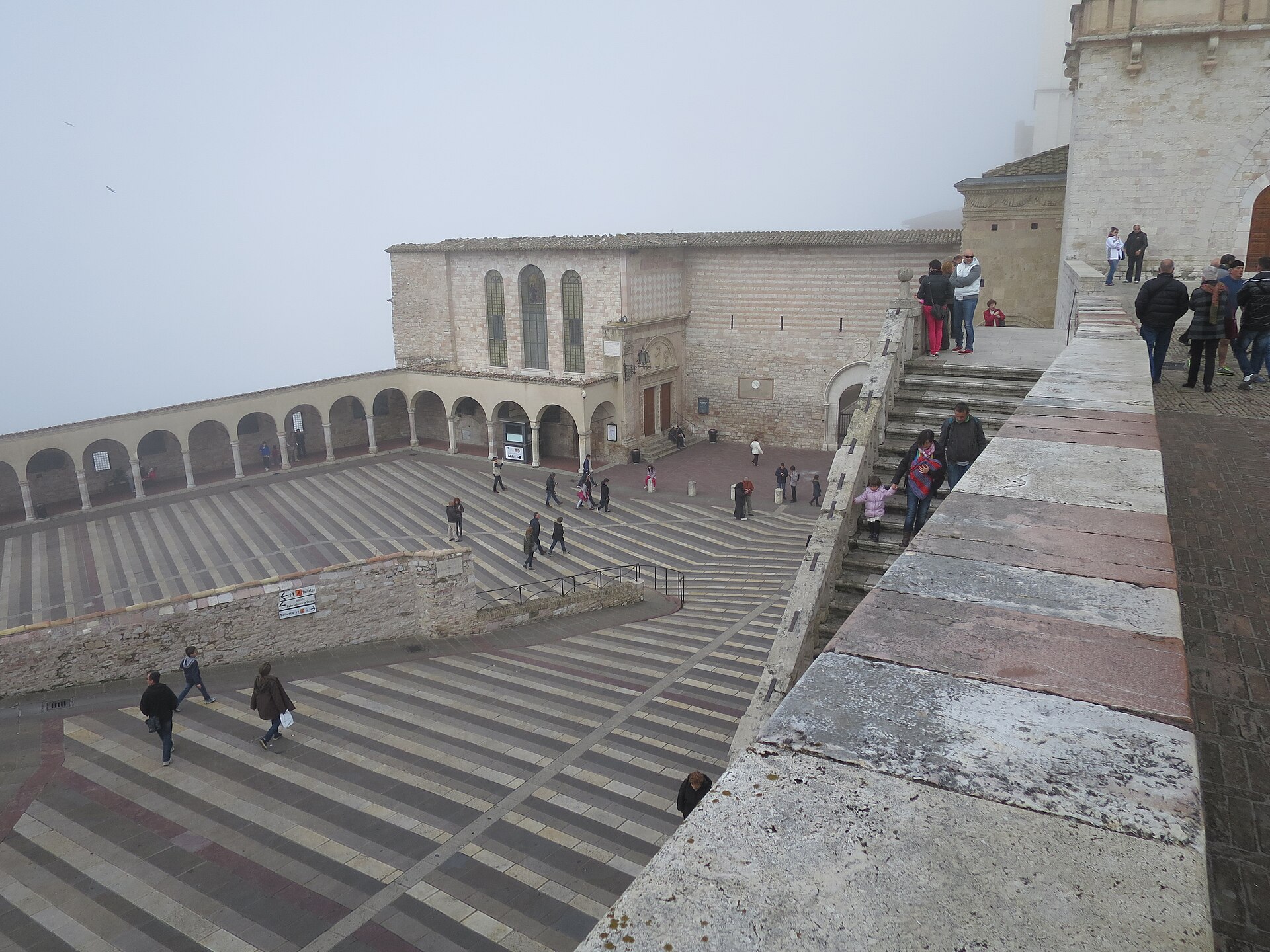
In celebrating the 800th anniversary of Saint Francis's death, Umbria unveils a itinerary that links together Assisi, the Bosco di San Francesco, works by Giotto, and contemporary interventions, offering a route between art, nature, and spirituality, according to ANSA.
Summary of the itinerary in Umbria
The region of Umbria becomes a map of places tied to the life of Saint Francis during the year of the commemorations. The suggested route connects Assisi, Gubbio, Norcia, and Montefalco, combining spirituality, sacred art, natural landscapes, and historical memories. According to ANSA, cultural and environmental initiatives planned for 2026 have intensified visits and thematic routes traversing monuments, forests, and small churches, keeping Franciscian memory alive.
Assisi: the Basilica and Giotto's frescoes
In the city of Assisi lies the Basilica of Saint Francis, which houses the saint's tomb and the cycle of frescoes attributed to Giotto and his workshop. The frescoes recount central episodes from the saint's life—from renunciation of riches to conversations with animals—translating narratives into images that educate and move generations of faithful and visitors. Visiting the basilical complex allows visitors to follow, in sequence, the iconography that made Assisi a reference point for medieval art and Francisan devotion.
Bosco di San Francesco and contemporary intervention
From the basilica square, one reaches the Bosco di San Francesco, an area with olive groves, hornbeams, watercourses, and traces of ancient irrigation systems. The forest is maintained as natural and cultural heritage, integrating conservation and public enjoyment efforts by the FAI and local partners, as reported by the Italian press. Inside the forest sits the work Terzo Paradiso, by artist Michelangelo Pistoletto: 121 olive trees planted in three circles, symbolizing the balance between man, nature, and technology. The contemporary installation fosters a dialogue between agricultural tradition and current artistic language, offering reflections on sustainability and the territory's memory.

Strada Mattonata to the Porziuncola
The so-called Strada Mattonata, about three kilometers long, is a historic path walked by pilgrims for centuries. The route leads to the Basilica of Santa Maria degli Angeli and to the small church of the Porziuncola, located inside the larger basilica. The Porziuncola is central in Saint Francis's life—the place where the Order was founded and where important biographical episodes occurred—and it remains a point of intense devotion. The Strada Mattonata route lets visitors relive the pilgrim dimension, with stretches of ancient road, rural landscapes, and meditative stops.
Relevance for Brazilians and descendants of Italians
The Umbria itinerary gathers artistic and natural heritage of interest to Brazilian travelers who are descendants of Italians seeking connections with cultural roots. Pilgrimages and visits to sites such as the Basilica of Assisi, the Bosco di San Francesco, and the Porziuncola offer opportunities to explore religious heritage, medieval art, and Italian rural practices that shaped communities over the centuries. For those following topics of immigration and identity, the experience also touches on family memory and transatlantic ties that inspire genealogical research and travel. For context on life and rights in Italy, see also the section Vida na Itália and, for recent news about the country, access Notícias da Itália. Practical information on citizenship and documents can be found in Cidadania Italiana.
Conclusion Umbria, in 2026, proposes an itinerary that weaves art, nature, and spirituality around Saint Francis, from Giotto's cycle to Pistoletto's contemporary intervention, offering visitors multiple ways to contemplate and remember.
Source: ANSA