Tiziano: sacred and profane reunite at the Galleria Borghese
The Galleria Borghese in Rome presents L'Annunciazione (1520) from the Cathedral of Treviso beside Amor Sacro e Amor Profano (1514) until December 8, 2026, for the 450th anniversary.
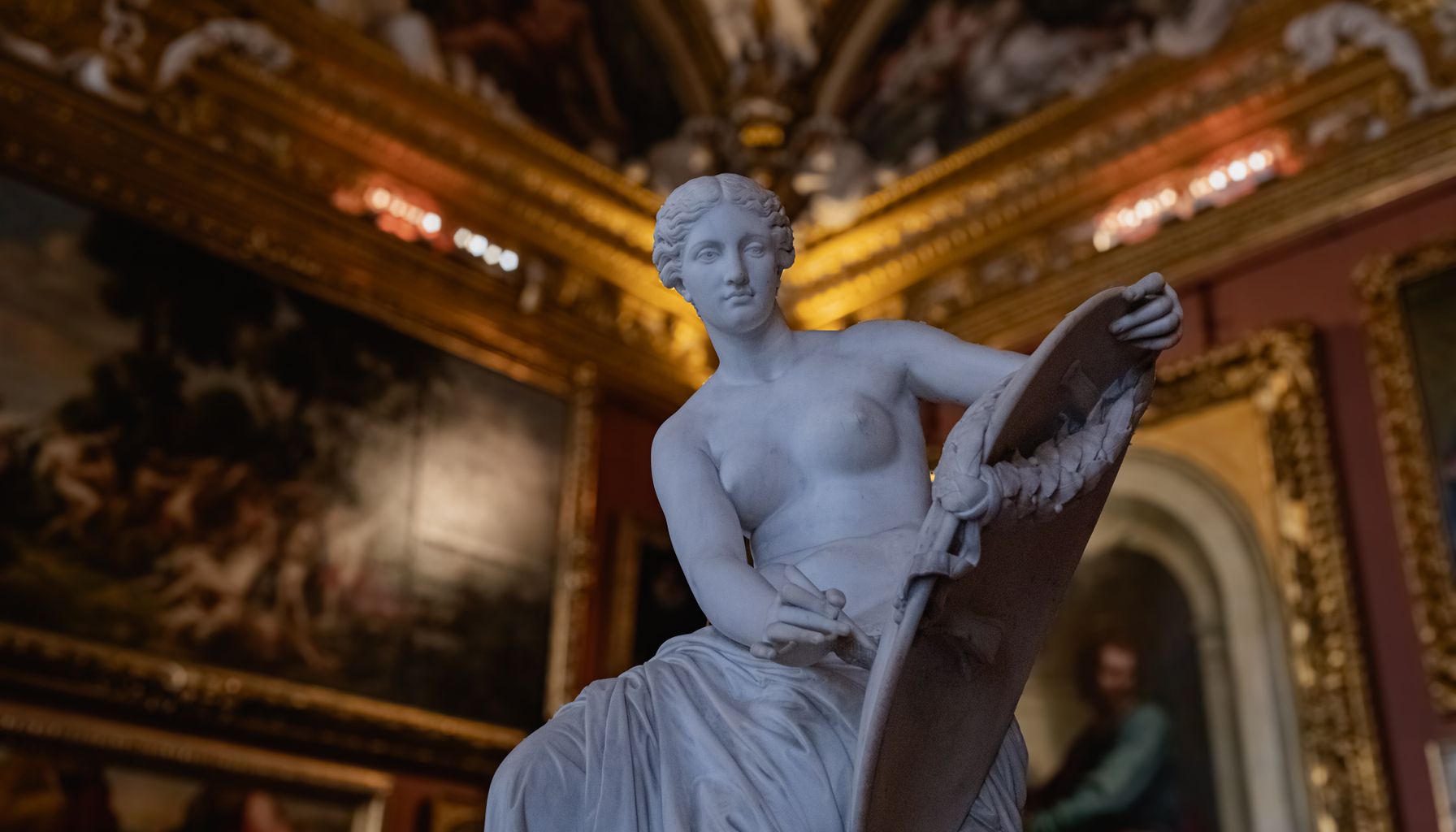
The Galleria Borghese in Rome brings together two of Titian's works in dialogue until December 8, 2026: the panel painting L'Annunciazione (1520), from the Cathedral of Treviso, and Amor Sacro e Amor Profano (1514), placed in the same room to highlight convergences and contrasts between sacred and profane, according to ANSA.
What’s on display — Titian at the Galleria Borghese
In the Galleria Borghese dossier exhibition, the piece borrowed from the Cathedral of Treviso, L'Annunciazione (panel, 1520) is presented in the same room as Titian’s Amor Sacro e Amor Profano (1514). According to ANSA, the curatorial intention is to promote a direct confrontation between the works: although created at close moments in the artist’s career, they offer different readings of the female figure, sacredness, and references to the ancient world. The arrangement also aims to attract visitors interested in art history and in cultural itineraries through Italy — audiences that include readers of our sections on /noticias and /vida-na-italia.
Restoration findings — new data on L'Annunciazione and provenance
The recent restoration of L'Annunciazione yielded unpublished information, according to ANSA. Revealed were:
- An inscription with the signature and the patron’s name, Broccardo Malchiostro, in addition to the year 1520, which confirms and clarifies details about the execution and commissioner of the work.
- The presence of a hidden bas-relief in the background of the panel, uncovered during conservation work, functioning as a link between the painting and classical models.
These discoveries broaden knowledge about the piece’s provenance and production context, providing concrete clues for philological and historical research on the circulation of works and the role of local patrons in the early 16th century.

Curatorship and reading of the works — sacred, profane, and the feminine motif
The dossier show curator, Maria Giovanna Sarti, offers a reading focused on formal and iconographic elements common to both pieces. According to ANSA, Sarti highlights:
- The idealized female subject as a point of contact between the works — in the Virgin’s sacredness and in the ambiguous feminine figure of Amor Sacro e Amor Profano.
- The use of the 'antico' (references to classical antiquity) as an aesthetic and symbolic resource, reinforced by the revealed bas-relief in Treviso.
- The role of the bas-relief as a device that brings the symbolic universe of the two paintings closer, creating a bridge between sacred imagery and pagan repertoires.
The curatorial reading aims to show how Titian reconciled pictorial invention with classical erudition, shaping Renaissance language, devotion, and references to the ancient world within a single visual grammar.
Exhibition context and duration — marking 450 years
The show participates in the commemoration of Titian’s death year 450 by gathering key works from the master to reassess his production across different periods. The installation in Rome is open to the public until December 8, 2026, offering a rare encounter between a work with recent provenance and conservation and one of the painter’s most celebrated paintings. Those following museum news and events in Italy can check the full program and updates on our pages of /noticias.
Relevance for Brazilians and descendants of Italians
The initiative has particular appeal for Brazilian readers of Italian descent interested in art and heritage: an opportunity to see fundamental works of the Italian canon gathered together and to follow restoration discoveries that illuminate networks of patronage and artistic circulation in Renaissance Italy. Additionally, exhibitions of this scale help illuminate conservation processes and attribution — topics of interest to those who follow culture and Italian citizenship matters, as in /cidadania and /vida-na-italia.
Finally, the installation invites reflection on how references to the classical world and iconographic choices shaped the artist’s public image and the reception of his paintings through the centuries.
Source: ANSA.