
Study shows butterflies use optical illusions to fool predators
A study from the University of Exeter, published in Nature, shows that wing patterns and wingbeats create optical illusions that confuse predatory birds.
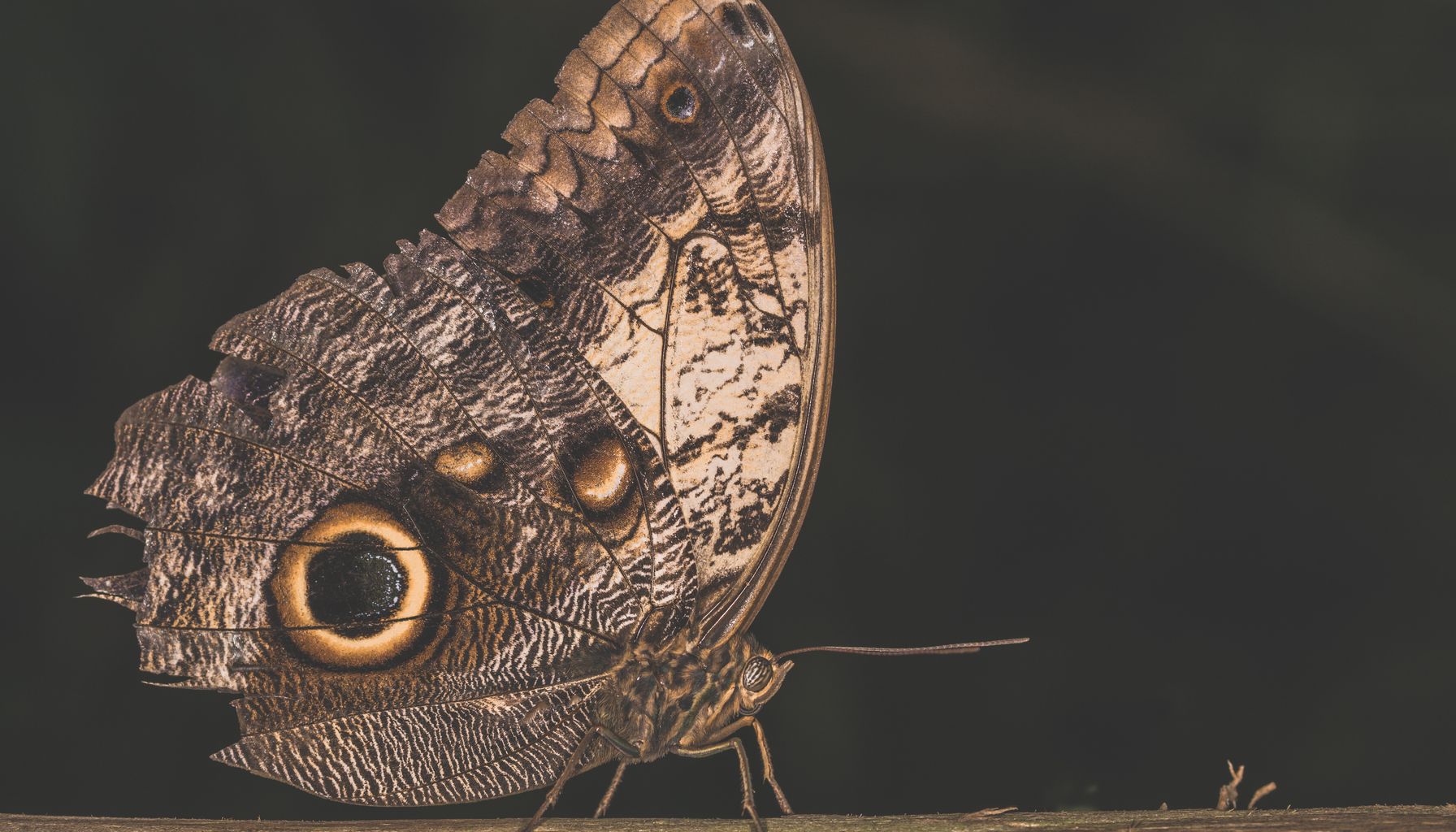
Research published in Nature by the University of Exeter shows that wing patterns on butterflies, combined with wing beats, create optical illusions that confuse predatory birds, leading to errors in assessing speed and direction during attacks, according to ANSA.
Summary of findings — butterflies and optical illusion
The study coordinated by Jolyon Troscianko, from the University of Exeter, concluded that the patterns on butterfly wings and the motion of flapping work together to generate powerful visual illusions. These illusions prevent predators — mainly birds — from correctly evaluating the insect's trajectory, increasing the chances of escape. The research was published in Nature and reported by ANSA, which summarized the main results of the experiments.
Methodology used by the researchers — how they tested predators
To assess how wing patterns are perceived by predators, the researchers:
- filmed butterfly flights with high-speed cameras, at more than 1,000 frames per second, to capture how patterns combine with wing movement;
- examined a library of patterns from about 400 European butterflies, analyzing variations in color, contrast, and arrangement of marks on the wings;
- involved roughly 100 volunteers in a "virtual hunt" simulating capture, as part of the behavioral experiments described in the article (the exact protocol used with volunteers was not detailed by the source).
High-speed recordings allowed the authors to reconstruct how pattern transitions during wingbeat alter the perception of speed and direction. According to ANSA, the researchers combine visual analyses and behavioral tests to show that the interaction between pattern and motion produces effects that are difficult to predict from studying the wings at rest alone.

Importance and context — implications for biology and animal behavior
The study provides the first robust confirmation, under controlled conditions, of the idea that body patterns do not serve only camouflage or warning purposes, but can disturb predator perception. Similar techniques had previously been proposed to explain patterns in zebras, snakes, and lizards; now there is direct evidence that the combination of design and movement can function as an effective defensive strategy.
Among the implications:
- it broadens understanding of how natural selection may favor not only colors, but dynamic arrangements of visual signals;
- suggests new approaches to studying predator-prey interactions, integrating high-speed filming with perceptual tests;
- reinforces the role of comparative studies (across species and patterns) to understand the evolution of visual signals.
The publication in Nature places the work in the international reference circuit and encourages replications and extensions of the protocol in other ecosystems and with other predators.
Relevance for Brazilian readers and descendants of Italians
For the audience of Raízes Italianas, the study is directly relevant to:
- naturalists and birdwatchers monitoring fauna in parks and reserves, offering interpretive resources for flight records and behavior;
- educators and science communicators seeking clear examples of how sensory perception and behavior evolve together;
- readers interested in research published in high-impact journals like Nature, and in international academic groups — in this case, the University of Exeter leading the investigation.
Dissemination of these results can enrich wildlife observation itineraries, educational activities in natural history museums, and citizen science programs focused on butterfly and bird recording.
Connections with portal coverage
Readers who regularly follow our pieces on nature and life in Europe may find context and updates in sections such as Notícias da Itália and Vida na Itália. For those also interested in scientific topics that intersect with population migration and communities, visit the Cidadania Italiana page for other practical and institutional news.
"The patterns on the wings and the wingbeat movement work together to mislead predator perception, complicating estimates of speed and direction." — study summary released in Nature and reported by ANSA.
Conclusion: the work led by Troscianko demonstrates, with high-speed filming data and behavioral tests, that pattern + movement is an effective combination for generating optical illusions that defend butterflies, providing a clear example of how dynamic visual signals can shape ecological interactions.
Source: ANSA