Authorized mega-constellation Starmind by SpaceX: journalistic coverage and checks
FCC approves SpaceX's Starmind proposal: up to 1 million satellites for AI data centers. Launches planned from 2027; environmental, scientific, and competition concerns.
Authorized mega-constellation "Starmind" by SpaceX: journalistic coverage and points to verify
CATEGORIA: technology / space
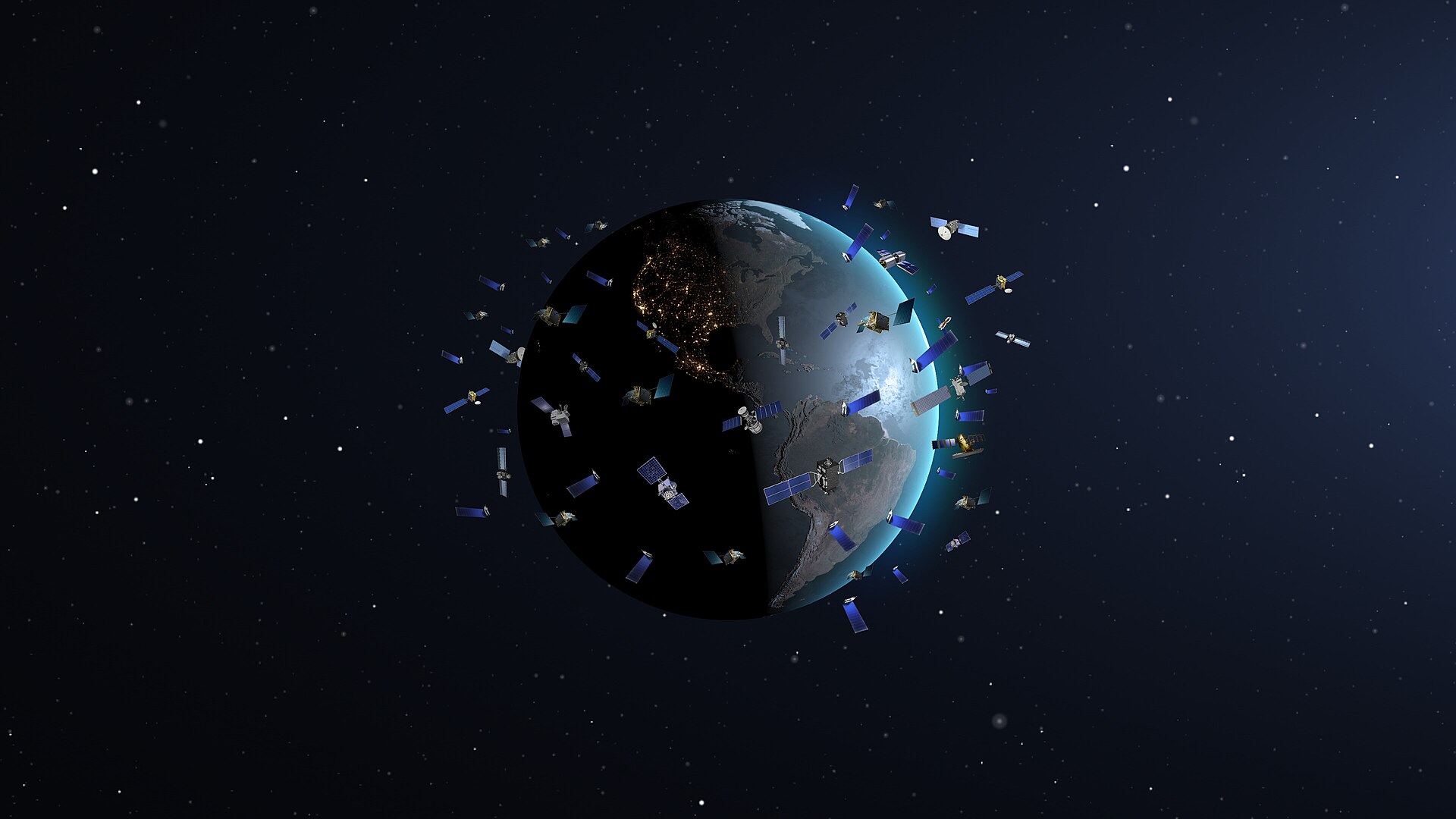
The news agency ANSA reported that the U.S. Federal Communications Commission (FCC) approved a SpaceX request related to the project called "Starmind," which, according to that report, envisages the deployment of a very large number of objects in orbit—reports mention a magnitude up to 1 million elements—with a proposal for orbital infrastructure associated with computing and communications applications. Below, I summarize what is in the coverage and indicate what needs to be verified in primary sources.
Meta description: ANSA reports FCC authorization of SpaceX's Starmind proposal (coverage of scale, impacts, and conditions). Technical information and schedule need to be confirmed in official documents.
What was reported (journalistic coverage synthesis)
- According to ANSA, the FCC gave approval to a request related to SpaceX's Starmind project that contemplates a constellation at an unprecedented scale—the report cites the possibility of up to 1 million units. This is the journalistic description of the request; details and specific limits must be confirmed in the dossier submitted to the FCC and in the agency's order/decision itself.
- The article indicates that the proposal includes descriptions of orbital structural elements (referred to as "cages" or "pods") and that SpaceX provided information about architecture, operations, and mitigation measures. Again: reviewing the text of the request and the FCC decision is essential to see what was actually approved and under what conditions.
Points in the original text that require correction, contextualization, or verification
Dimensions and configuration of the "satellites": the original article states that "each Starmind satellite would have a wingspan of 75 meters and a height of 30 meters." This claim is extraordinary and needs to be verified against primary sources (SpaceX or FCC documents). Without verification, presenting such measures as fact is misleading. It is recommended to explicitly cite the document where these measures appear or indicate that they are numbers reported by ANSA and still seek confirmation.

Nature of the system ("AI data centers"): the phrasing should clearly read as "the proposal describes the intention to offer orbital infrastructure for computing/AI applications" or similar. Treating the constellation as already-operational data centers or as validated technology would be inaccurate — this is a proposed project with stated objectives.
Schedule and statements about launches: asserting specific dates for the start of launches or executive announcements (e.g., "by the end of June 2027") requires direct reference to a public statement or the official calendar. Otherwise, present as SpaceX's projection or as reported by agencies.
Conditions and mitigations imposed by the FCC: coverage should refer to the text of the FCC authorization to list specific conditions. Secondary journalism may report that the FCC imposed requirements, but readers should be directed to official documents for technical and legal details.
Impacts on astronomy and orbital environment: concern is legitimate and mentioned by scientists in the coverage, but it is necessary to distinguish initial concern from quantitative analyses published. Including references to technical analyses (impact studies, statements from astronomical societies, agency statements) would make the article more rigorous.
Editorial recommendations
- Change category to technology/space or similar; remove the unfit "cidadania" (citizenship) classification.
- Include direct links and references to SpaceX's filed request with the FCC and the FCC authorization/decision document (when available) so readers can consult exact terms, limits, and conditions.
- Remove or qualify unconfirmed measures and dates (e.g., the dimensions per "each satellite") — indicate that these numbers were reported by ANSA and that their technical accuracy should be checked in primary sources.
- Specify when a statement is interpretive (e.g., "could serve as support for processing loads for AI applications") rather than asserting it as a fact already executed.
- Supplement the impact section with references to technical positions (astronomical societies, space agencies, orbital congestion studies) to contextualize concerns.
Next steps for readers and editors
- Check SpaceX's filed request with the FCC and the final FCC decision/order to confirm scope, limits, conditions, and timelines. A link to the FCC process should be added when available.
- Monitor SpaceX official releases about schedule and technical architecture, and reports from scientific bodies on astronomical impacts.
Main source for the coverage used in this text: ANSA (cited report). For technical and regulatory verification, consult the official FCC documents and SpaceX-submitted technical material.
Note: This translation preserves all internal references and names as they appear in the original text. It maintains a neutral, professional tone and aims to convey the same information in clear American English.