Rupnik Mosaics in Lourdes Covered Out of Respect for Victims
Rupnik mosaics at Lourdes were covered before the Papal visit out of respect for abuse victims who gather there; the work, inaugurated in 2008, could be removed.
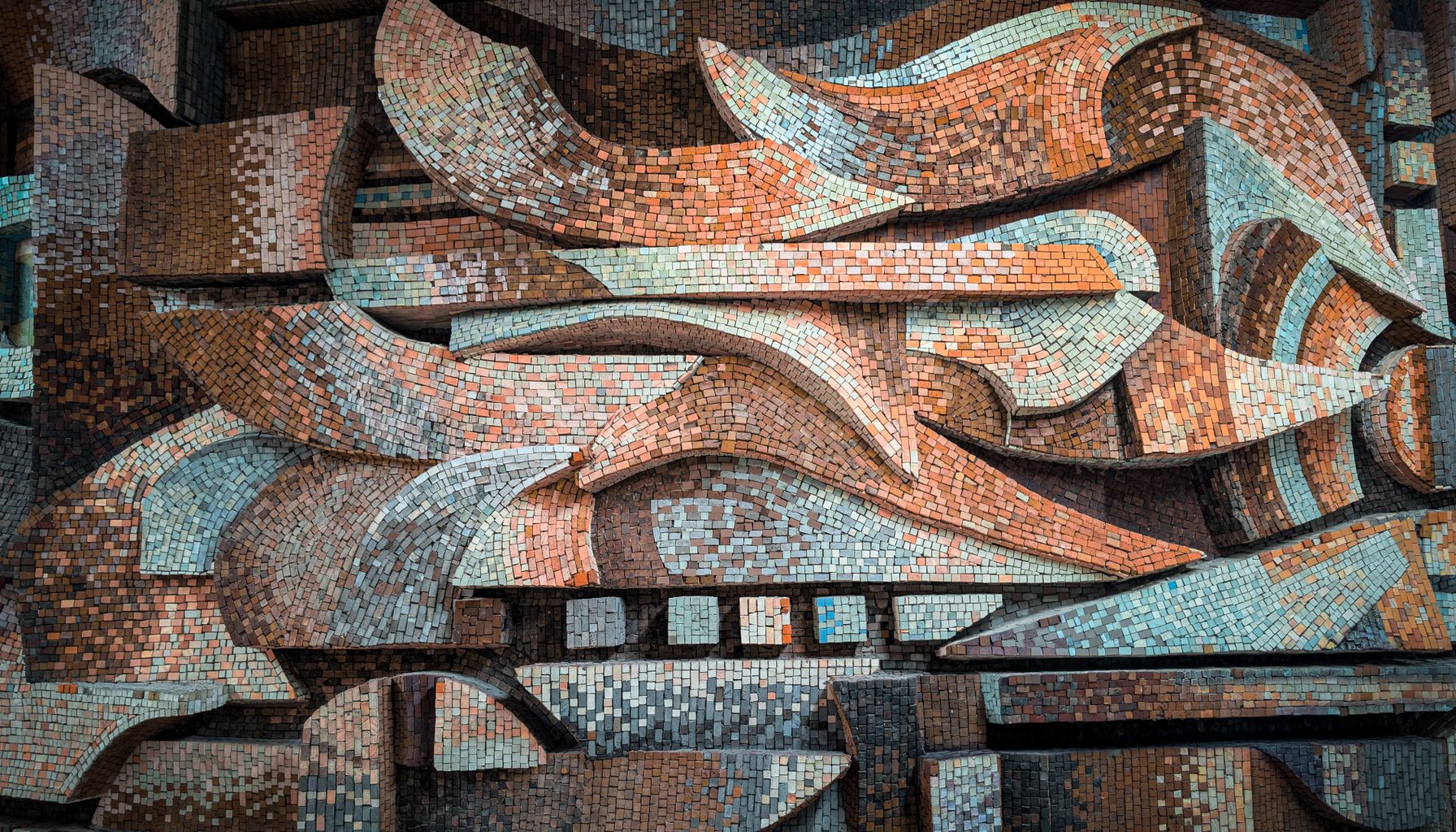
The mosaics by artist Marko Rupnik at the Lourdes sanctuary were covered before the Pope's visit, in a decision guided by the respect for abuse victims who gather at the site, according to ANSA.
What happened
The mosaic panels signed by Marko Rupnik, inaugurated at the Lourdes sanctuary in 2008, were covered in the areas where they usually greet pilgrims. The covering occurred shortly before the Pope visited the sanctuary — a measure that followed an earlier decision to not illuminate the works at night, also taken for sensitivity toward victims, according to ANSA.
The decision to hide the works was justified by the need to avoid the first image offered to pilgrims from being of an artist facing abuse allegations. The sanctuary is one of the world’s leading Marian pilgrimage sites, visited by people from many nationalities, including Brazilians and descendants of Italians traveling to Europe.
Context and developments
Marko Rupnik, a priest and internationally recognized artist for his religious mosaics and formerly associated with the Society of Jesus, has been accused by several nuns of abusive behavior. According to press reports and institutional statements, Rupnik is subject to canonical procedures; the Congregation for the Doctrine of the Faith (CDF) has the competence to examine serious disciplinary cases, including abuse allegations. These details were reported by ANSA.

The Bishop of Lourdes, Jean-Marc Micas, stated that having as the opening image of the sanctuary works by someone accused of abuse would be offensive to the victims who gather there. For this reason, the Diocese opted to cover the mosaics before the Pope's arrival. ANSA reports that the covering has been treated as a measure that could become permanent, and there are discussions in the local community about the possible permanent removal of the works — this remains a possibility and not a publicly confirmed final decision.
- Canonical proceeding: Rupnik faces processes that, according to reports and statements, involve the Congregation for the Doctrine of the Faith. The proceedings and possible sanctions follow the Church’s internal rite; details and specific measures can only be confirmed by official statements from the competent ecclesiastical authorities.
- Institutional reaction: the removal of nighttime illumination and subsequent covering signal that sanctuary administration is seeking to avoid discomfort for victims and preserve the dignity of sacred spaces.
Relevance for Brazilians and descendants
For Brazilian pilgrims and descendants of Italians visiting Lourdes, the decision carries dual significance. First, it shows how those responsible for major international sanctuaries are responding to abuse allegations, prioritizing victims’ sensitivity. Second, it demonstrates that debates about sacred art, institutional responsibility, and public memory directly impact pilgrimage sites frequented by visitors from Brazil.
Pilgrims planning trips or following religious and cultural news can monitor European press and official sanctuary statements for developments. Raízes Italianas maintains coverage of topics related to religious and cultural life in Italy and Europe; for general Italy news, see /noticias, and for practical issues involving Brazilians in Italy, consult /vida-na-italia and /cidadania.
What might happen next
Sources consulted by ANSA indicate that the cover may not be purely temporary. The possibility of permanently removing the works is under consideration by sanctuary authorities and ecclesiastical bodies. Factors influencing the decision include:
- the progress of canonical proceedings in the Congregation for the Doctrine of the Faith;
- pastoral assessments of the appropriateness of the works in the worship space;
- the feelings of victims and the faithful community.
If the works are removed, the decision should be formalized by the sanctuary’s competent authority and communicated publicly, as has been standard in similar cases involving artistic heritage connected to figures under investigation.
How the decision was communicated
Covering the mosaics and the decision not to illuminate them were reported by news agencies and by statements from the local bishop reproduced by the press. According to ANSA, the gesture was adopted directly by the sanctuary in coordination with the diocese, with the explicit aim of avoiding offense to victims during moments of high visibility, such as the papal visit.
The sanctuary administration understood that, given the accusations against the author of the works, presenting them as the entrance image could be perceived as disrespectful to those who suffered abuse, according to press reports.
Conclusion
The covering of Marko Rupnik’s mosaics in Lourdes before the Pope’s visit is a visible expression of pastoral concern for victims and could foreshadow a permanent removal of the works, though such a move remains unconfirmed publicly for now. The decision aligns with ongoing canonical processes and has implications for pilgrims worldwide, including Brazilians and descendants who frequent Marian sanctuaries.
Source: ANSA