Reactivating Cardiomyocytes and Boosting Heart Pumping in Tests
A study in mice reactivated heart muscle cells, increasing the amount of blood pumped by 10%, in research led by Cambridge and QIMR Berghofer.
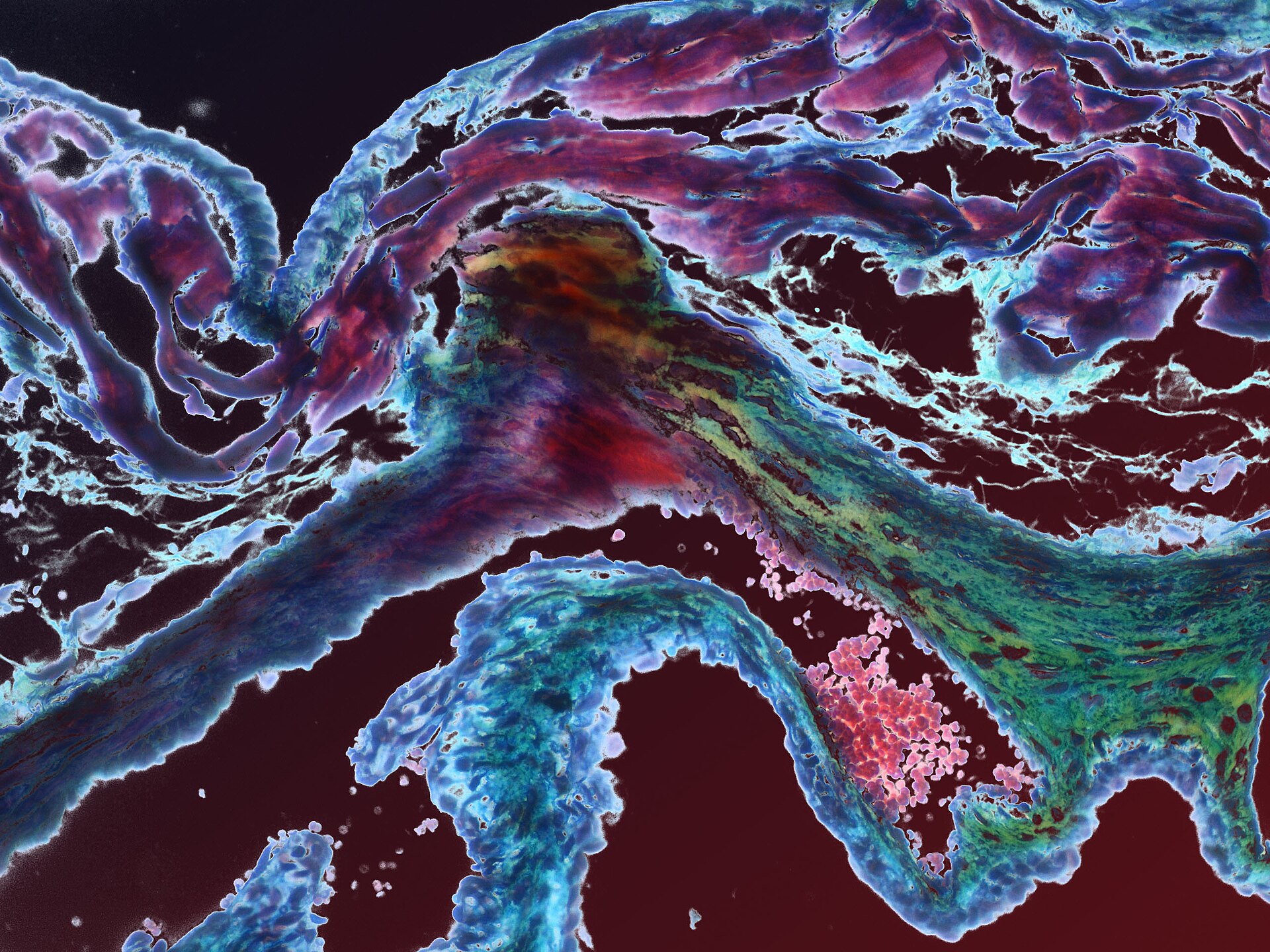
A new technique reactivated heart muscle cells in mice and improved blood pumping, according to a study published in Nature Cardiovascular Research by a team from Cambridge and QIMR Berghofer.
Study summary
Researchers reactivated cardiomyocytes — the cells of the heart muscle — in mice so they could re-enter the cell cycle and repair damage caused by myocardial infarction, increasing the volume of blood pumped by the hearts of the animals by 10%, as reported by ANSA. The genetic/molecular intervention pointed to a potential pathway for cardiac regeneration that strengthened the heart’s contractile function in the models used.
Team and publication
The work was published in the scientific journal Nature Cardiovascular Research. The group was led by the University of Cambridge (United Kingdom) and QIMR Berghofer (Australia), with collaboration from researchers at the universities of Bologna and Trieste (Italy), among other institutions, according to ANSA. The international coordination reflects a multidisciplinary effort uniting European, Australian, and British laboratories.
Technical aspects and current limits
The technique acts on two key proteins: Myc and Cyclin T1, which regulate signals that stimulate reentry of cardiomyocytes into the cell cycle. The study’s accompanying imagery shows mouse heart tissue with activation of these proteins and proliferating cells marked in green, illustrating the mechanism observed ex vivo and in vivo, as described by ANSA.

The authors note important limits: after a myocardial infarction, the human heart can lose up to one billion cells that, in adults, have only limited spontaneous regenerative capacity. Results in mice do not automatically translate to humans — there are differences in scale, physiology, and biological safety between species.
Next steps and safety
The researchers point out that additional steps are necessary before any clinical application:
- testing in larger animal models (for example, pigs) to evaluate functional response in hearts closer in size to human ones;
- detailed investigation of safety, including risk of uncontrolled proliferation, arrhythmias, and off-target effects;
- design of clinical trials in humans only if preclinical data demonstrate efficacy and an acceptable safety profile.
According to the team, if similar results are obtained in humans, the impact could be substantial for millions of patients with cardiovascular disease. Still, the authors and reviewers emphasize caution: interventions that force cell division in vital organs require stringent protocols and long-term monitoring.
Relevance for Brazilians and Italian descendants
Cardiovascular diseases and myocardial infarction remain among the leading causes of morbidity and mortality in Brazil. Advances in cardiac regeneration could, in the future, alter treatment and rehabilitation strategies, impacting Brazilian clinical and research centers. The international collaboration (United Kingdom, Australia, Italy) also opens pathways for scientific exchange and potential partnerships that could benefit Brazil’s research community, including those following topics at the intersection of science and health for Brazilians and Italian descendants.
For readers interested in broader context on international news and life in Europe, Raízes Italianas regularly publishes reports in our News from Italy and analyses on Life in Italy. Those seeking practical information about ties with Italy can also consult our page on Italian Citizenship.
Conclusion
The study published in Nature Cardiovascular Research shows that reactivating cardiomyocytes via Myc and Cyclin T1 promoted cell division and improved function in mouse hearts, with a 10% increase in the volume of blood pumped. The results are promising but require validation in larger models and rigorous safety investigation before any translation to humans.
Source: ANSA