
Italy: 5 million with diabetes; 1 million undiagnosed
In Italy, about 5 million people live with diabetes, and roughly 1 million remain undiagnosed. Doctors warn about the inappropriate use of weight-loss medications circulating on social media.
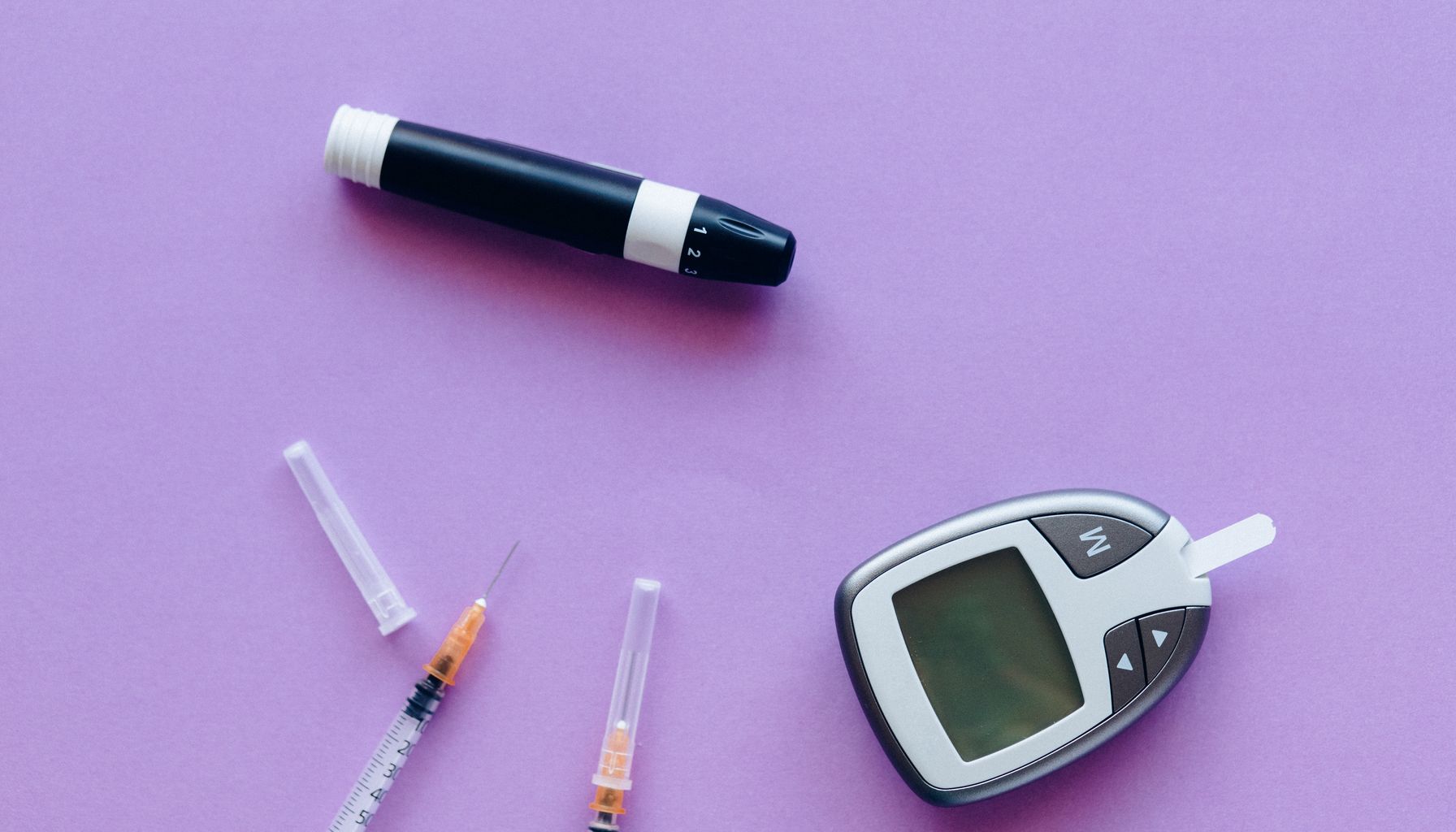
In Italy, about 5 million people live with diabetes, with approximately 4 million having a known diagnosis and about 1 million unaware of their condition, according to an ANSA report published on November 13, 2026. Doctors take advantage of World Diabetes Day, on November 14, to reinforce the importance of early detection and to warn about recent risks linked to the misuse of weight-loss medications on social networks.
Numbers and Diagnosis: Diabetes in Italy in Focus
- It is estimated that 5 million Italians live with diabetes, with about 1 million undiagnosed, according to ANSA.
- The date of November 14, World Diabetes Day, is used by health professionals for screening campaigns and to clarify signals and risk factors.
- Underdiagnosis — people who already have the disease but have not been diagnosed — concerns health authorities because it hinders early interventions that prevent complications.
“November 14 is an opportunity to detect undiagnosed cases and reduce harm,” says ANSA’s coverage of the topic.
Alerts and Medical Concerns: Weight-Loss Medications and Social Networks
Italian doctors say there is a real revolution in therapies for diabetes, with advances that improve metabolic control and reduce cardiovascular risk, as reported by ANSA. At the same time, professionals caution about emerging risks:
- Offers of weight-loss medications on social networks and informal commerce platforms have increased, with ads promising rapid weight loss.
- There are reports of family swaps and the so-called “do it yourself” use — people sharing or buying drugs without a prescription and without medical supervision.
- Specialists warned that using these medications outside of indications and without supervision can cause hypoglycemia, adverse reactions, and interactions with treatments already in progress.
ANSA notes that, although there are innovative therapies, improper use of medications is a concrete threat to safe disease control, especially among those without formal diagnosis.
What Diabetes Is: Definitions and Risk Factors
- Diabetes is a chronic disease characterized by elevated blood glucose levels.
- Causes include inadequate insulin production by the pancreas or reduced ability of the body to use insulin (insulin resistance).
- Type 2 diabetes is associated with factors like overweight and sedentary lifestyle; whereas Type 1 typically has a different onset pattern, related to autoimmune responses that destroy insulin-producing cells.
- Proper control involves early diagnosis, lifestyle changes (diet, physical activity), blood glucose monitoring, and, when necessary, medications prescribed by a doctor.
These insights guide professionals in prevention campaigns and in directing avoidance of self-medication and improper use of treatments promoted outside the medical circuit.
Relevance for Brazilians and Italian Descendants
For Brazilians with ties to Italy — tourists, residents, or those interested in citizenship — the high prevalence and the number of undiagnosed cases make the information relevant for practical and health reasons:
- Those traveling to or living in Italy should be aware of available care, undergo tests if risk factors are present, and not rely on health offers seen only on social media.
- Alerts about purchasing and using medicines without a prescription apply to anyone following online health content, regardless of country.
- For those seeking information about living or traveling in Italy, health-related content can complement guides on citizenship or adaptation: see more in Vida na Itália and Cidadania Italiana.
What to Do: Prevention and Warning Signs
- Seek medical evaluation if you experience symptoms such as excessive thirst, frequent urination, unexplained weight loss, fatigue, or blurred vision.
- Do not obtain medicines through informal means or exchange prescriptions with others; use only medications prescribed and monitored by a physician.
- Adopt preventive measures for Type 2: balanced diet, regular physical activity, and maintaining a healthy weight.
To follow developments and other health, wellness, and current events in Italy, visit our Italy News.
Early detection of diabetes and responsible use of treatments remain the most effective strategies to reduce complications. Health professionals in Italy emphasize the combination of access to modern therapies and vigilance against dangerous practices on social networks.
Source: ANSA