
Italian Electoral Reform Unifies the Overseas Constituency
Italy approved a new law reducing overseas constituencies from four to two; South America loses its own constituency, but overseas voting remains.
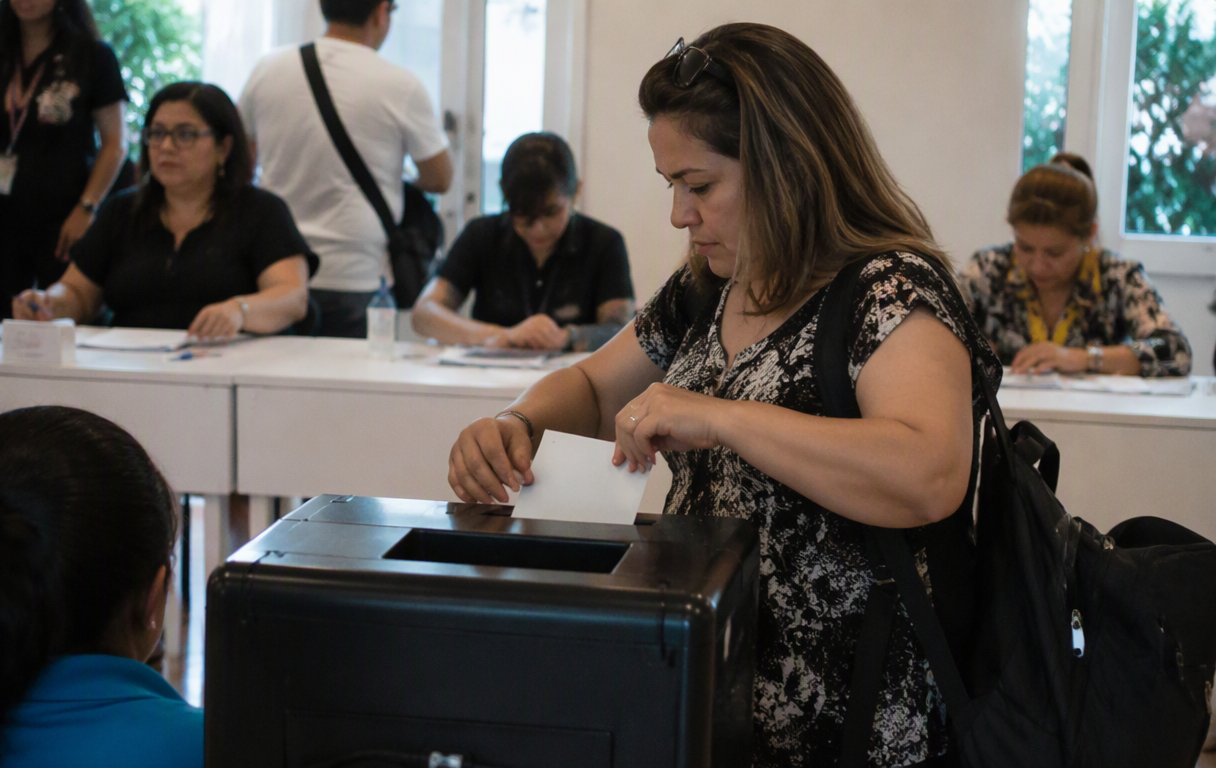
Italian Electoral Reform Unifies the Overseas Constituency
Category: citizenship
Italy: reports indicate changes in the organization of overseas electoral constituencies, with impact on how votes from Italians residing outside Europe are counted, according to Comunità Italiana.
What is reported about the Circoscrizione Estero (electoral reform, overseas constituency)
Journalistic reports (Comunità Italiana) mention that a reform text provides for reducing the number of electoral districts for the Chamber of Deputies relating to the exterior and reorganizing the representation of voters outside Europe. These reports attribute to the project the intention to group external districts into fewer units.
Important note: this article summarizes what was reported by the cited source. To confirm the final text, consult official parliamentary documents, the approved text (if any), and the publication in the Gazzetta Ufficiale — which is the source that confirms the final wording and the date of entry into force.
Main points reported (cautious wording)
- It is reported that, for the Chamber, there would be a reduction of external districts (in the report, from four to two). The final text should be checked to confirm the exact wording.
- It is reported that one of the new districts would keep Europe separate and that another would group the “rest of the world” (term that, according to reports, would include the Americas, Africa, Asia, and Oceania). The literal enumeration of continents depends on the official wording of the provision.
- It is also reported that, for the Senate, there could be a change in how Senators abroad are elected; however, it is essential to check the final legal text to confirm whether there is now a single overseas constituency and what the exact wording is.
Possible consequences for voting abroad (Italians in Brazil)
According to the report, the change does not eliminate the right to vote abroad, but alters the electoral context in which votes are counted, potentially diluting the relative weight of regional communities as they compete in broader constituencies. These consequences are political and strategic analyses and depend on the final text of the law, the electoral regulation, and the practical organization of lists and vote counting.
Impact for the Brazilian community
The report mentions that there are about 400,000 Italian citizens registered in Brazil; this number should be verified with AIRE and consular records for updated confirmation. If districts are effectively expanded, there may be greater difficulty electing candidates with restricted regional appeal, requiring broader campaign and mobilization strategies.
Legal basis and process (attention to sources)
The topic involves changes to Law No. 459 of October 27, 2001 (which established the Circoscrizione Estero) and its implementing regulations. What is found in news reports may be a summary, amendment, or text approved in a given vote; however, only the officially published text (European Parliament record of the two Chambers and, finally, Gazzetta Ufficiale) confirms the final wording and the date of entry into force.
- If you read that there was approval on specific dates and votes, verify these details in the official parliamentary records and in the Gazzetta Ufficiale before considering the change consolidated.
Conclusion Reports indicate proposals to unify overseas constituencies that could substantially alter the electoral competition landscape for communities like the Brazilian one. This article characterizes the information as reported and recommends direct verification in the legal text and official acts (parliamentary record and Gazzetta Ufficiale) to confirm: (a) the exact content of the changes, (b) whether the law was definitively approved and published, and (c) the date of its entry into force.
Primary source reported: Comunità Italiana (verify with official parliamentary documents and Gazzetta Ufficiale).