Fori Imperiali gain a large pedestrian boulevard in Rome
The Carme project reshapes ancient Rome with a pedestrian ring linking the Fori, Colosseo, Circo Massimo; €191 million investment, completion expected in 2027.
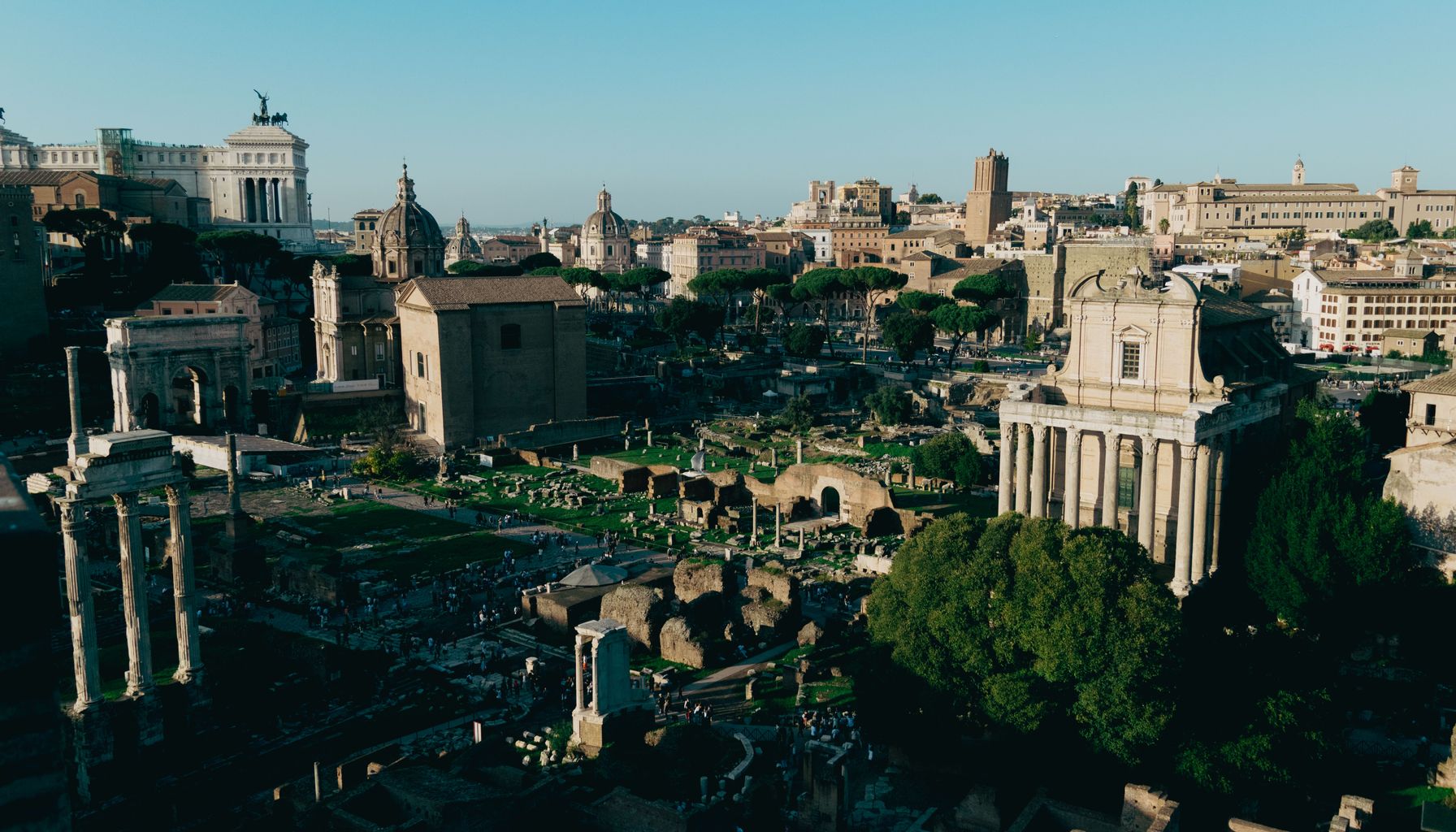
The Carme project transforms the area around the Fori Imperiali in Rome with a large pedestrian boulevard that will connect the city’s major archaeological sites, the city hall announced on October 2, 2026. According to ANSA, the intervention calls for €191 million and has a main completion target in 2027.
What is the Carme project: redevelopment of the Fori Imperiali and surroundings
The Carme project is an integrated plan for urban and cultural redevelopment presented by Mayor Roberto Gualtieri to transform Rome’s historic center and improve access to the archaeological sites. According to ANSA, the package includes more than 80 different interventions, with a total estimated investment of €191 million.
Gualtieri stated that a large part of the project has “already been significantly accomplished” and detailed measures that go beyond mere pedestrianization: paving works, traffic reorganization, creation of cycling-pedestrian routes, and interventions on urban elements that today fragment the perception of the monuments. The city hall presented the schedule and main milestones on October 2, 2026, according to the agency.
Main changes on the central avenues: Fori Imperiali and the new pedestrian promenade
The core of the project is the creation of a large cycle-pedestrian ring that will connect the Fori Imperiali, the Colosseo, Circo Massimo, San Teodoro, and the Campidoglio, facilitating foot and bike movement between these points.

Among the announced measures:
- The Via dei Fori Imperiali will be almost entirely pedestrianized, with maintenance only of two central lanes reserved for public transport.
- Two side landmarks currently fixed to the road will be removed to allow new paving and enhance the boulevard’s perceived width.
- The goal is to transform a road used “for nearly a century as a bottleneck and Colosseo traffic circle” into a large boulevard oriented to pedestrians and cyclists, in the mayor’s words, according to ANSA.
These interventions also include improving urban furniture, signage, and connections with green areas and points of interest, aiming to reduce visual fragmentation of the monuments and favor continuous routes for visitors.
Schedule and conclusion: timeline for the Fori Imperiali and the 2027 forecast
The city hall reported that the bulk of the interventions should be ready between February and March 2027, as announced on October 2, 2026, according to ANSA. The schedule foresees successive construction phases to minimize impact on tourist and resident flows, with areas being released as work progresses.
The €191 million investment covers both visible public-space works and technical and infrastructural interventions needed to support the new urban layout and the cycling and walking connections.
Relevance for Brazilians and descendants of Italians: how visiting Rome changes
The transformation of the Fori Imperiali directly affects the experience of visiting Rome. For Brazilian tourists and descendants of Italians, the new pedestrian promenade makes moving between the Colosseo, the Fori, and Circo Massimo safer and more enjoyable, supporting walking and cycling itineraries that enhance engagement with the archaeological sites.
Better enjoyment of the central monuments can influence travel choices, time spent in historic areas, and cultural itineraries — useful information for readers interested in tourism, culture, and life in Italy. For those following country news, the project also contributes to the broader discussion on urban mobility, heritage preservation, and sustainable tourism; see more in our Italy News and articles on Life in Italy.
What to watch for next
- The execution of the schedule between February and March 2027 and any adjustments due to unforeseen construction issues.
- Public transport management along Via dei Fori Imperiali, which will maintain two central lanes.
- The impact on tourist flows and visitation routes to the archaeological sites, with a likely reduction in private vehicles in the central area.
The Carme project represents an ambitious intervention in Rome’s urban fabric, focusing on making the Fori Imperiali and surroundings more accessible to pedestrians and cyclists, preserving the monuments’ reading and encouraging more refined, experiential tourism.
Source: ANSA