De Martino: I’d do a Sanremo 'not populist, but popular' inspired by Baudo
Stefano De Martino says he wants a popular, not populist Sanremo; he accepted the role with unanimous Rai support and spoke at the Rumore festival.
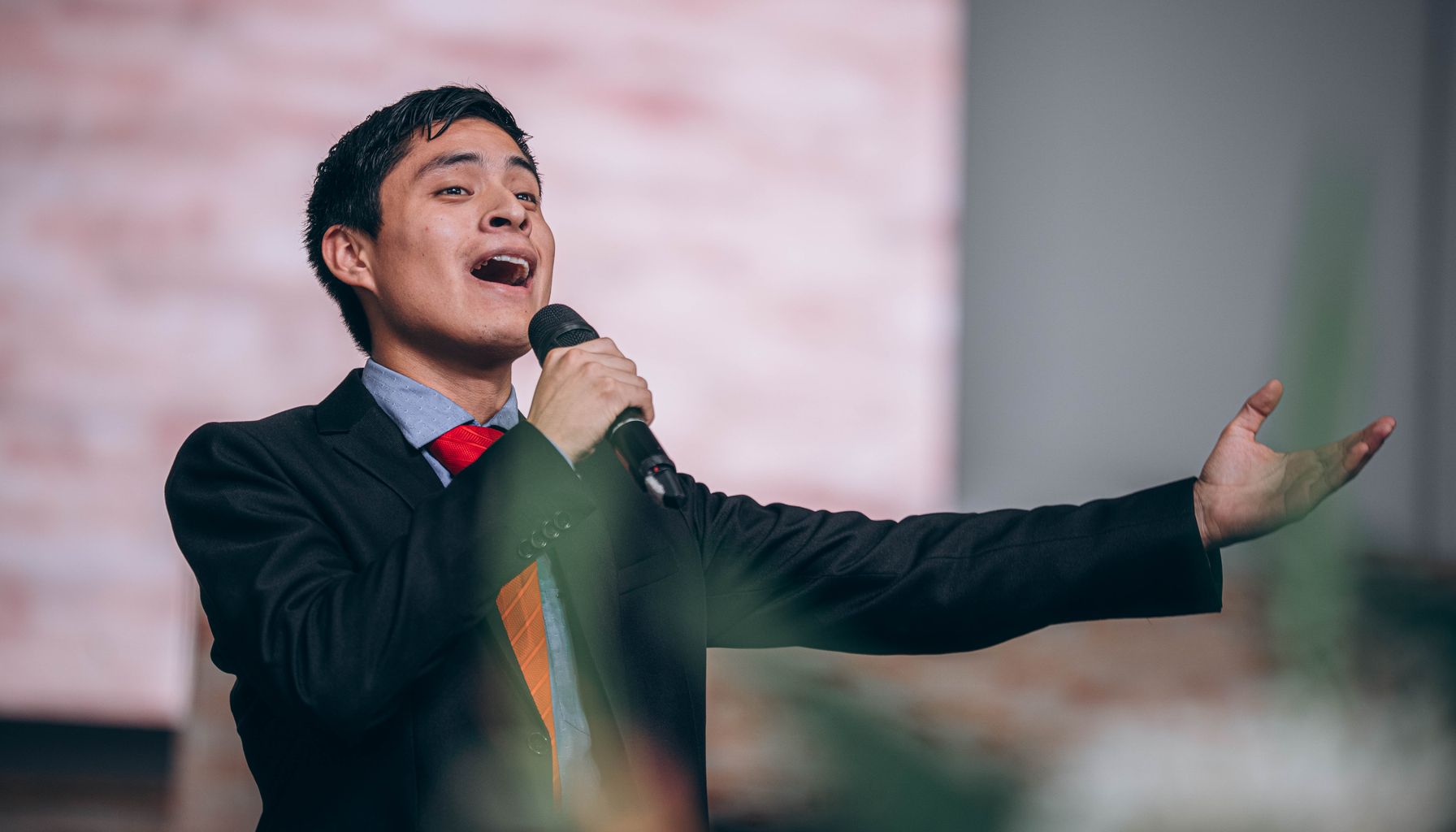
Stefano De Martino said at the Rumore festival, held at Acquario Romano, that his Sanremo will be "popular" and not "populist". He explicitly mentioned Pippo Baudo as a reference for style and hosting, positioning himself within a tradition of presentation that prioritizes music and entertainment without demagogic appeals.
Meta description: Stefano De Martino said he wants a Sanremo popular, not populist; he accepted the role with the unanimous support of Rai and spoke at the Rumore festival.
Announcement and context: Stefano De Martino at Rumore and Rai’s support
Stefano De Martino participated in the Rumore festival (covered by Fanpage.it) at the Acquario Romano and, in statements reported by ANSA, affirmed that his Sanremo will be popular and not populist. He explicitly cited Pippo Baudo as a stylistic and hosting reference, placing himself in a presentation tradition that prioritizes music and entertainment over demagogic appeals.
The presenter explained that he accepted the role of artistic director because he perceived RAI as "compact" — i.e., with the unanimous backing of those responsible — and because he earned the trust of more experienced professionals. According to ANSA, De Martino said he felt secure stepping into the role precisely thanks to the institutional and technical support of the public broadcaster.
Artistic vision and positioning: career, open stage, and rejection of the "pre-electoral festival"
De Martino described the Sanremo Festival as an element of career development, not an end in itself. In remarks quoted by ANSA, the festival is part of a broader artistic trajectory where artists can be consolidated and new acts introduced to the audience.
He said he would bring to the project a mix of "insouciance" (audacity) and "hours of TV" (television experience), showing he intends to combine creativity with technical know-how. De Martino also emphasized that the Sanremo stage would be "open to everyone" — signaling an intention for diverse formats and participants.
Regarding the risk of politicization, the artistic director denied any plan to turn Sanremo into a "pre-electoral festival". According to ANSA’s coverage, he intends to keep the focus on music and spectacle, avoiding the event being instrumentalized for campaigns or corporate political messaging.
Relevance for Brazilians and Italian descendants
Sanremo is one of Italy’s most visible cultural events and exerts a strong influence on the country’s musical and media scene. De Martino’s appointment as artistic director and his aesthetic positioning could impact how Italian music is presented abroad — including broadcasts, viral clips, and coverage in international media.
For Brazilians and Italian descendants—especially those interested in Italian culture and entertainment—an edition directed by De Martino may point to trends in repertoire, guests, and collaborations that affect the diaspora’s cultural consumption. Coverage of the festival, translated performances, and the presence of artists with Brazilian cultural ties could attract attention from the Ita0lo-Brazilian community.
Brazilian audiences often follow major Italian events through broadcasts, social networks, and reports on specialized portals. Those following citizenship and life in Italy — topics treated in Raízes Italianas in sections like Cidadania Italiana and Vida na Itália — may also be interested in the symbolic dimension Sanremo confers to music made in Italy and its global cultural repercussions. For updates and analyses on Italian events, see Notícias da Itália.
What to expect: tone of the festival and possible developments
From the Rumore statements, De Martino is expected to seek a balance between tradition and modernity: drawing on figures like Baudo while using his own voice and elements of modern television. The emphasis on a "popular" festival suggests choices aimed at broadening appeal without yielding to populist devices.
RAI, by offering unanimous support, signals institutional backing for the artistic director’s vision — which could influence programming, guests, television guidelines, and the promotional calendar in the weeks leading up to the event.
Conclusion: Stefano De Martino’s statements at Rumore, as reported by ANSA, sketch a Sanremo that aims to be broad and accessible, guided by historical references and with a commitment to keeping politics at bay while pursuing cultural impact that transcends borders.
Source: ANSA