Comites-RS questions the consul amid citizenship queue omissions
Comites-RS asks explanations from Consul-General Luis Cavalieri about statements on descendants; reporting questions the committee's actions during years of consular queues.

Comites-RS demanded explanations from the Consul-General of Italy in Porto Alegre, Luis Cavalieri, after public statements attributed to him about Brazilian descendants who, according to the committee, had delayed seeking recognition of their Italian citizenship; the episode unfolds amid memories of years of queues at the consulate and the legislative change that restricted the via consular.
Summary of the facts
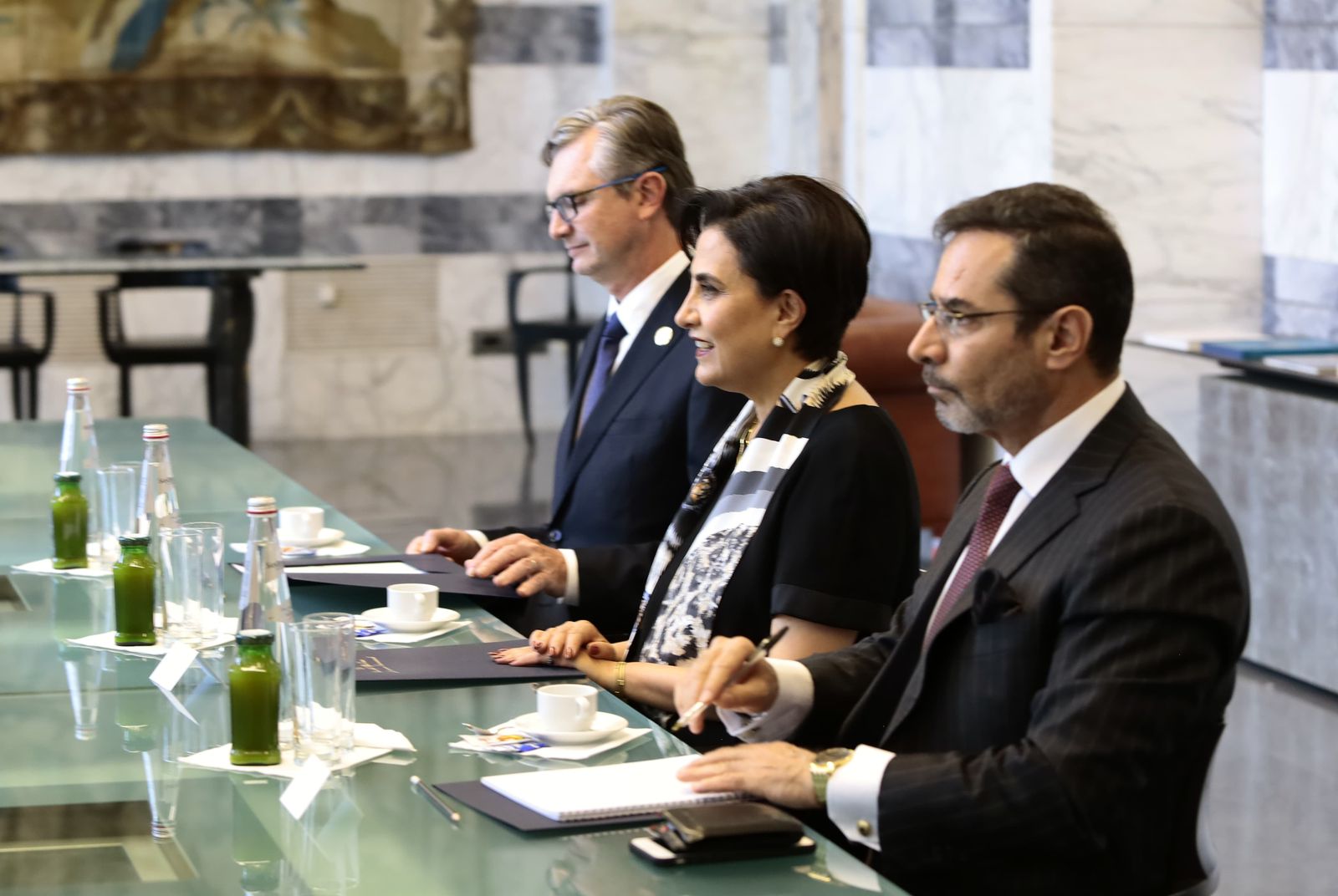
The Comites-RS sent a request for clarifications to the Consul-General of Italy in Porto Alegre, Luis Cavalieri, due to public statements attributed to him about Brazilian descendants who, according to the Comites, had delayed approaching the consulate for citizenship recognition. The statements occurred during the III Meeting of the Italian Community of Rio Grande do Sul, held on September 24, 2026 at the Assembly Legislature, an event promoted by the Comites-RS, according to Italianismo.
The request for explanations from the Comites became public after social media and local press coverage, prompting questions about the committee's stance regarding the consular queues that dragged on for years.
History of the queues and legislative change
In March 2025, the Consulate-General of Italy in Porto Alegre called applicants with numbers between 16,001 and 17,000 for in-person service, according to consulate records from that month. At that time, the Rio Grande do Sul press estimated a total queue surpassing 120 thousand people waiting for citizenship recognition, when considering registered family groups, as reported by local outlets cited by the Comites and the press.

On March 28, 2025, the Italian government enacted the Decree-Law No. 36/2025, later converted into Law No. 74/2025 (known in Brazil as the Tajani Decree), which restricted citizenship recognition by descent (jure sanguinis) and substantially limited access via the consular route, preserving only children and grandchildren in many cases. The change drastically affected thousands of Brazilian descendants waiting for consular service.
Questions raised about the Comites-RS’s actions
The piece acknowledges that the Comites-RS publicly opposed the restrictions introduced in 2025, but asks what concrete steps were taken to defend those already in line before the decree. Among the questions are:
- Did the Comites officially request disclosure of the exact number of people waiting at the Porto Alegre consulate?
- Did the committee push for an expansion of consular capacity, or present a public schedule of convocations?
- Were surveys or requests for intervention sent to the Italian Ministry of Foreign Affairs (Ministero degli Affari Esteri) on behalf of the applicants?
The text draws attention to the contrast between the Comites’ public approach to the consulate at the September 2026 event and a stance of pressure that, according to critics, only gained momentum after the consul’s statements. According to Italianismo, the committee’s public questioning came after the episode at the meeting, which motivated the request for formal clarifications to Cavalieri.
Legal role and limitations of the Comites-RS
The Italian Law No. 286/2003 defines the Comites as bodies representing Italian citizens abroad in relations with diplomatic and consular authorities, with functions of representation, proposal, and cooperation. In practical terms, this means the Comites can mediate community demands, request transparency, and promote public initiatives, but it has limitations:
The Comites does not administer the consulate, does not control waiting lists, and does not decide on citizenship recognitions.
Therefore, while it can seek explanations, run information campaigns, and bring demands to the consulate and the Ministry, the committee does not have the authority to alter administrative consular practices or change legislative decisions such as Decree-Law No. 36/2025.
Relevance for Brazilian descendants
For thousands of families of Brazilian descendants, uncertainty about timelines, convocations, and the retroactive impact of the 2025 changes had practical consequences: disrupted travel plans, migration processes, and frustration over recognition expectations. In this context, it is central for those affected to know whether the Comites-RS took concrete actions to obtain documents, schedules, or results from dialogue with Italian authorities.
The community also seeks transparency about how many people remained on the waiting list at the Porto Alegre consulate, what measures were requested from the Italian Government, and whether formal complaints were forwarded to the Italian Ministry of Foreign Affairs.
What’s at stake
The dispute unfolds in a broader legal and political environment: the 2025 changes to Law No. 74/2025 significantly reduced the consular path for generations beyond grandchildren, making the actions of representative bodies — such as the Comites — even more relevant for those who depend on information and institutional pressure. At the same time, the Comites’ legal limits prevent direct executive actions over consular administration.
For those following developments on Italian citizenship and the impact of legislative changes, the portal provides coverage in sections like Italian Citizenship and News from Italy. Reports about the lives of Brazilians in Italy are also available in Life in Italy.
Conclusion The Comites-RS’s request for explanations to Consul Luis Cavalieri reopens questions about the responsibilities and effectiveness of community representation in the face of years of queues and the 2025 legislative change. For affected descendants, beyond public statements, it matters to know what concrete steps were taken to protect interests and obtain transparency about the waiting lists.
Source: Italianismo