Aura: Valentino's archive dialogue with paintings at PM23
Aura at Fondazione Valentino Garavani e Giammetti gathers 38 archival Valentino dresses in dialogue with Ewa Juszkiewicz's paintings about beauty and anonymity.
A exposição "Aura" reúne 38 vestidos do arquivo de Valentino Garavani em diálogo com pinturas da artista polonesa Ewa Juszkiewicz, e foi inaugurada na sede PM23, em Piazza Mignanelli, Roma, com apresentação de Giancarlo Giammetti sobre o conceito da mostra.
What the Aura exhibition is
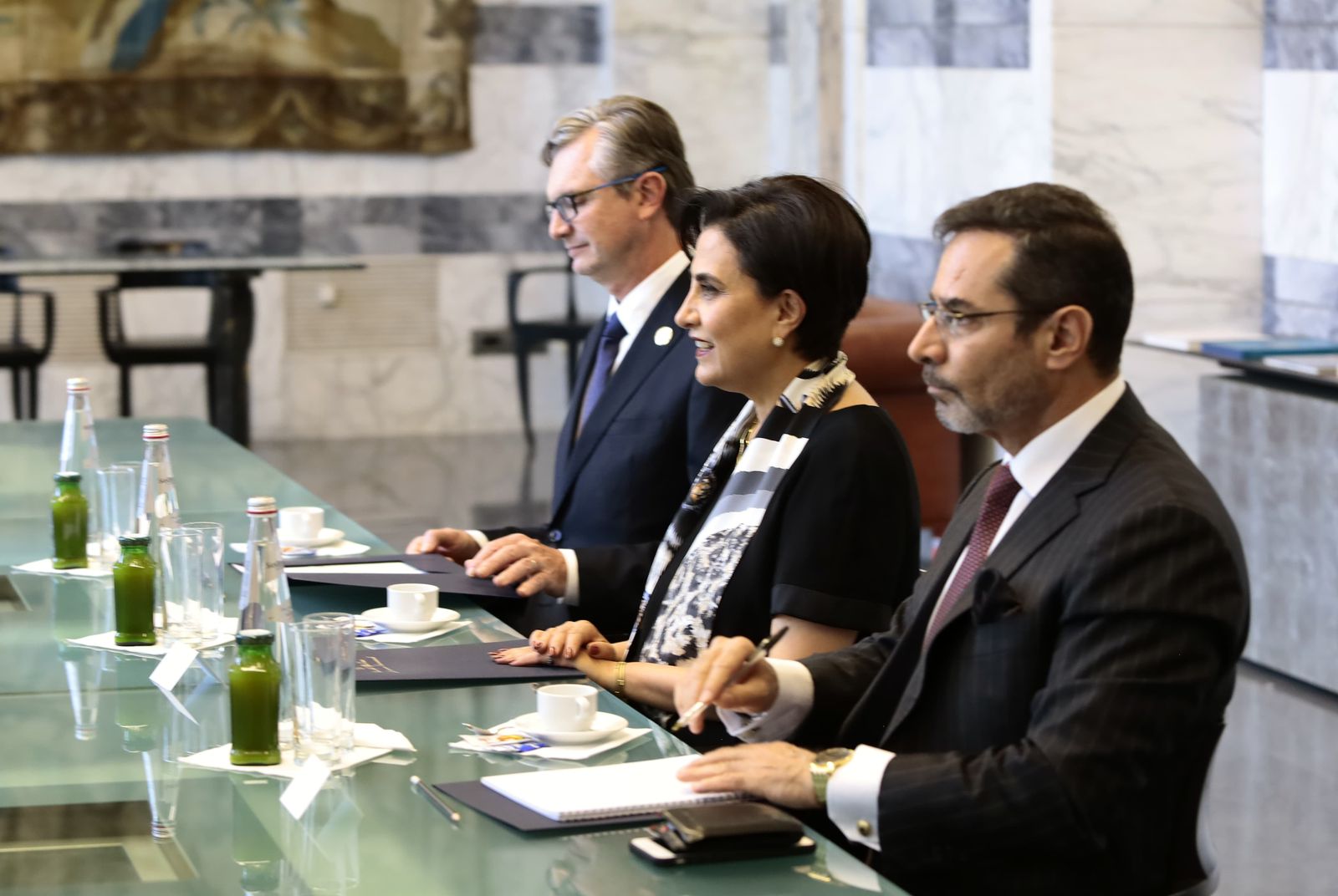
The exhibition Aura was organized by the Fondazione Valentino Garavani and Giancarlo Giammetti and occupies the PM23 space, in Piazza Mignanelli, in the heart of Rome. According to Patrizia Vacalebri’s report, published on October 16, 2026, the opening featured explanations by Giancarlo Giammetti about the curatorial idea guiding the selection of the pieces and the assembly of the dialogue between fashion and painting, centered on the notion of beauty hidden and revealed. The exhibition forms part of the city’s cultural agenda and attracts audiences interested in both archival fashion and contemporary visual arts; see other coverage in the Notizie della Italia and in the Vida en Italia section.
Pieces and artistic dialogue
There are 38 Valentino Garavani dresses on display, chosen for their ability to visually converse with the canvases of Ewa Juszkiewicz. The pieces—from iconic creations to lesser-known looks in the archive—were arranged to provoke formal and chromatic counterpoints with the paintings, creating a cross-reading between clothing and pictorial representation. The display favors a close look at textures, colors, and silhouettes, highlighting the archival quality of the garments and their potential for interpretation beyond their original fashion context.
Concept of Ewa Juszkiewicz’s works
Ewa Juszkiewicz is known for her large oil canvases that revisit historical portraits, especially Renaissance ladies, but removing their faces through plastic tricks: faces covered by wrapped fabrics, or transformed into compositions like fruit bowls and vases. For the artist, this act of concealing the face functions as a metaphor of freedom — a strategy to nullify the individuality of the portrayed and break with the portrait-identity tradition. The painted figures wear garments that look old-fashioned, but Juszkiewicz lends them a presence that is “modern in spirit”: vivid colors, fabrics that appear soft, and silhouettes free from corset and constraint limits, aligning with Valentino’s exposed creations.

Meaning of the dialogue between painting and fashion
According to Giancarlo Giammetti, as cited in the report, the exhibition aims to explore the hidden beauty in Juszkiewicz’s paintings and how Valentino’s creations “reveal” it through clothing. The juxtaposition of canvases and dresses seeks to reflect on the meaning of beauty, the construction of anonymity, and the desire of women “to be discovered,” in Giammetti’s words. The meeting of archival fashion and contemporary painting proposes a critical reading of image, identity, and representation: while Juszkiewicz removes the face to deconstruct the figure, the dresses — public and performative presence objects — suggest possibilities of revelation and staging.
Curatorship, statements, and context
Patrizia Vacalebri's piece records curator and Ewa Juszkiewicz’s statements about the exhibition project, emphasizing its dialogic and sensory character. The choice of PM23, a space with a history of cultural initiatives near Via dei Condotti, places the show within Rome’s museum and retail landscape, fostering encounters between specialized audiences and visitors drawn by the unusual combination of fashion archives and contemporary painting. For readers interested in cultural citizenship and Italy-Brazilian exchange, Raízes Italianas continues covering events that connect fashion, heritage, and society; see also our page on Cidadania Italiana for more institutional information.
Visiting and impact
The Aura exhibition proposal has the potential to attract both aficionados of historical fashion and lovers of contemporary art, offering an experience that encourages contemplation and reinterpretation of objects of spectacle and private portraits. The integration of dress and painting confirms the growing trend of transdisciplinary curatorships that value fashion archives as research sources and visual poetry.
Source: ANSA