Tuscany: Florence, Siena, and Medieval Villages Itinerary
Discover Florence, Siena, and Tuscany’s medieval villages in a compact itinerary with tips on where to eat, sleep, and enjoy outdoor activities.
Meta description: Discover Florence, Siena, and Tuscany’s medieval villages in a compact itinerary with tips on where to eat, sleep, and outdoor activities.
Introduction to the Tuscany itinerary: how to organize 5–7 days between iconic cities and charming villages Tuscany offers a mix of Renaissance art, rural landscapes, and medieval villages that fit well into a 5–7 day itinerary. To enjoy it without rushing, the common suggestion is to base yourself in Florence (2–3 days) and Siena (1–2 days) and reserve alternating days to explore nearby villages such as San Gimignano, Monteriggioni, Volterra, and Pienza. General information about the region and itineraries can be found at Visit Tuscany, which gathers maps and official route suggestions (https://www.visittuscany.com).
Best times of year to visit: climate, local events, and crowds
- Spring (April–June): pleasant temperatures and blooming landscapes; ideal for hiking and photography.
- Early autumn (September–October): harvest season and pleasant temperatures; the favorite time for wine tourism.
- Summer (July–August): hot days and peak season; larger cities get crowded, museum tickets should be reserved.
- Winter (November–February): fewer tourists and lower prices, but some rural attractions may have reduced hours.
Events to consider: the Palio di Siena (July 2 and August 16) draws crowds and changes urban logistics; consult the Comune di Siena website for calendars and notices (https://www.comune.siena.it).
Florence in 2–3 days: main works, neighborhoods to walk, and enogastronomic experiences Florence concentrates museums and monuments of worldwide importance — the Historic Center and the Duomo dome are on the UNESCO list (https://whc.unesco.org/en/list/174). For those with 2–3 days:
Suggested Itinerary
- Day 1: Duomo (Cattedrale di Santa Maria del Fiore), Baptistery, and climb Brunelleschi’s dome; stroll the center streets to Piazza della Signoria.
- Day 2: Galleria degli Uffizi in the morning (reserve in advance), Ponte Vecchio, and an afternoon stroll around the Oltrarno district for crafts and studios.
- Day 3 (optional): Galleria dell’Accademia to see Michelangelo’s David and a walk through the Mercato di San Lorenzo for local gastronomy.
Neighborhoods and experiences
- Oltrarno: ideal for those seeking studios, less-touristy vibes, and Tuscan cooking restaurants.
- Enogastronomic experiences: wine tastings of the Tuscan region and dinners featuring dishes like bistecca alla Fiorentina. For practical tourism information in the region, see Turismo na Itália.
Sources: Comune di Firenze (https://www.comune.fi.it) and Visit Tuscany (https://www.visittuscany.com).
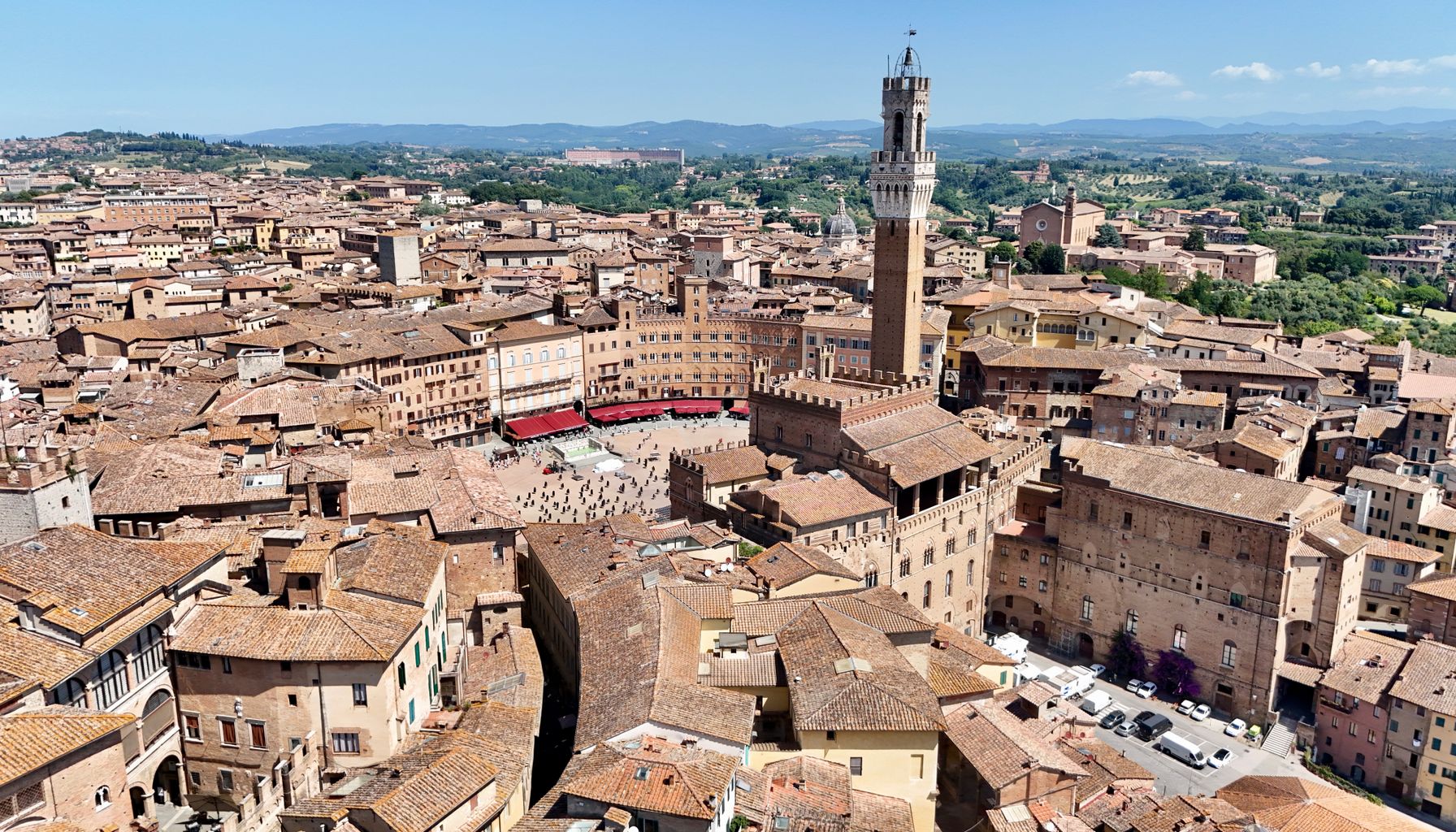
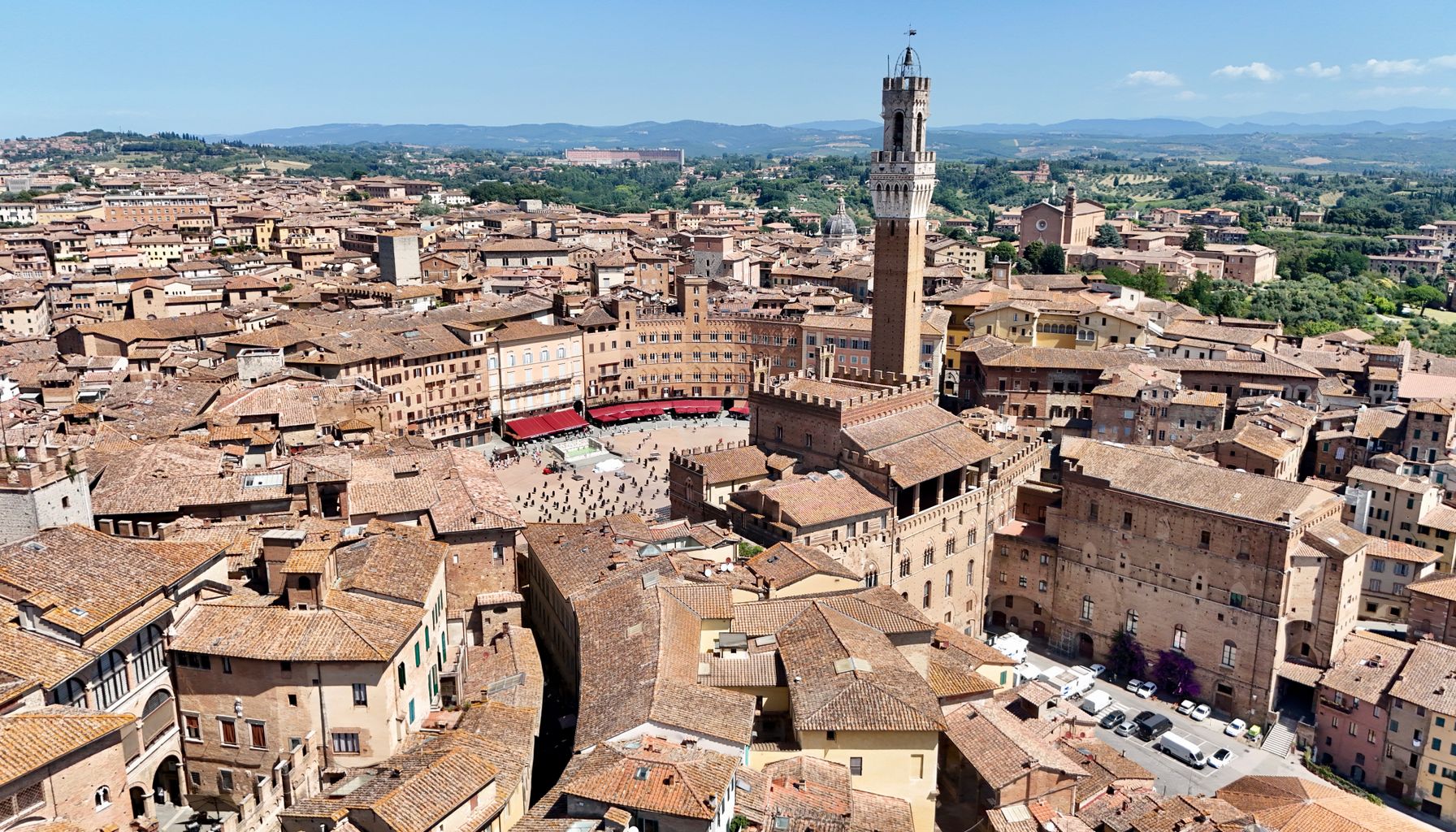
Siena and rural Tuscany: Piazza del Campo, Torre del Mangia, and wine tastings Siena, with its well-preserved medieval urban structure, lends itself well to a 1–2 day visit. The Piazza del Campo and the Torre del Mangia are central points; the city is a gateway to the Montepulciano and Montalcino wine regions.
Siena itinerary suggestions
- Morning: visit Piazza del Campo and the Civic Museum; climb Torre del Mangia for views of the city and the rural landscape.
- Afternoon: Siena Cathedral (Duomo di Siena) and the Baptistery; stroll through the medieval streets and enjoy local enotecas.
Day trips
- San Gimignano (medieval towers and Vernaccia wine): 40–60 minutes by car.
- Monteriggioni (medieval circular fortress): short excursion, ideal for photos and a walk along the walls.
- Wine routes: tastings at Chianti and Val d’Orcia wineries; check reservations and schedules.
Source: Comune di Siena (https://www.comune.siena.it) and itineraries at Visit Tuscany.
Less-known medieval villages: Monteriggioni, Volterra, and Pienza Besides the most visited spots, Tuscany hides villages worth short but rich atmospheric stops.
Monteriggioni
- A fortified village with intact walls and a medieval character. It pairs nicely as a stop between Florence and Siena; ideal for quick visits and photos.
Volterra
- Known for Etruscan archaeology and alabaster crafts. It offers a tranquil historic center and cafés with views.
Pienza
- Renaissance town in Val d’Orcia, famous for pecorino cheese and gentle countryside vistas; great for combining easy walks with gastronomic stops.
How to combine quick visits, hikes, and meals in traditional style
- Plan 1–2 villages per day to avoid exhausting travel.
- Reserve time for local tastings and long lunches, which are part of the Tuscan experience.
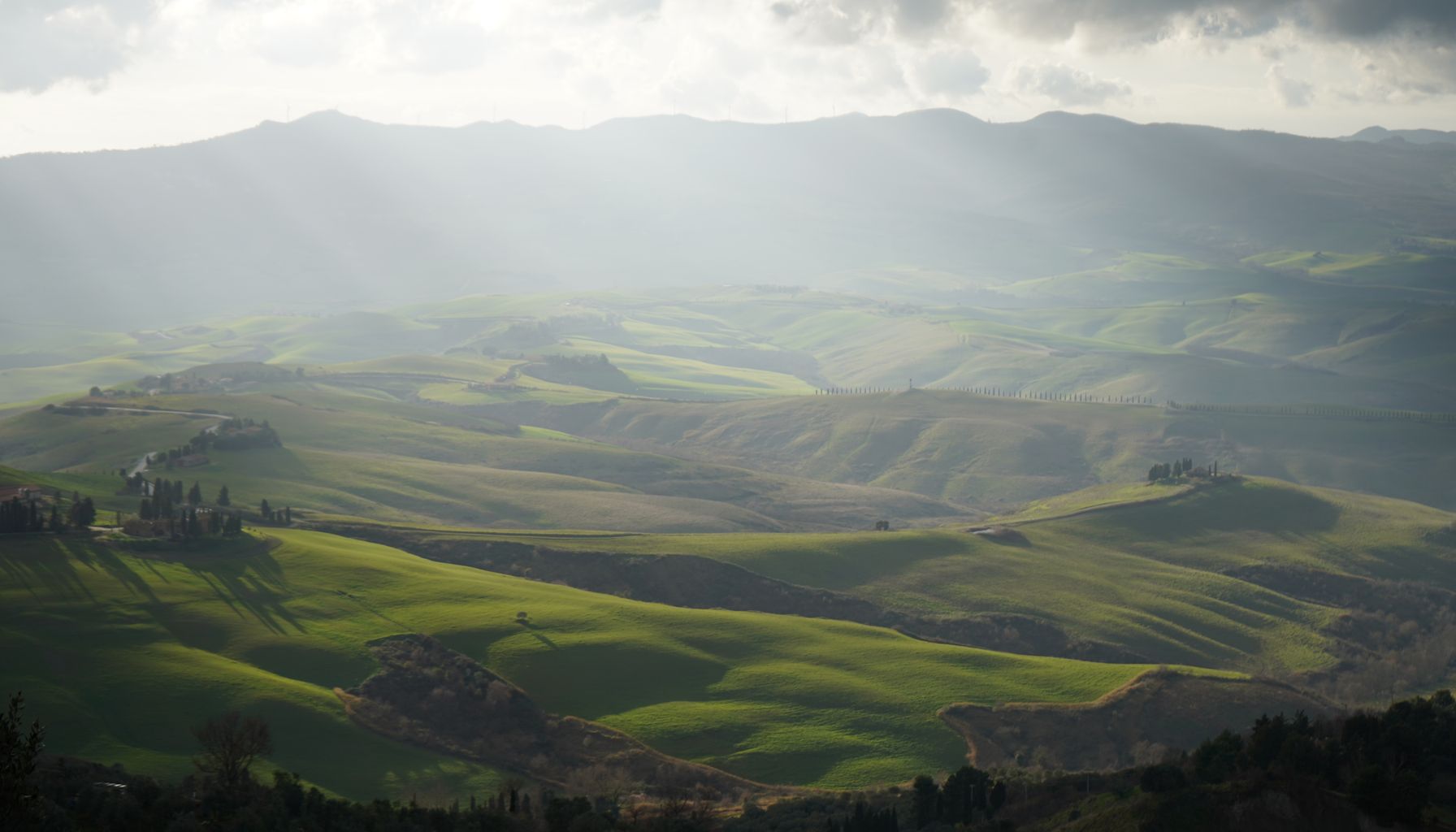
- For light hikes and panoramic views, consider routes in Val d’Orcia and the Chianti hills; maps and trails are available on regional tourism sites (https://www.visittuscany.com).
Travel tips: train, car rental, and scenic routes
- Train: good for linking major centers (Florence–Siena via bus transfer; Florence has train connections to several cities). Trenitalia and Italo cover routes, but for Siena it’s common to complete the leg by regional bus.
- Car rental: recommended for exploring villages and scenic routes with freedom; secondary roads (strade bianche) offer landscapes but require attention and, in some sections, an appropriate vehicle.
- Scenic routes: follow corridors between Florence, Greve in Chianti, Siena, and Val d’Orcia for classic Tuscan landscapes.
Where to stay: central and cozy lodging options in Florence and Siena
- Florence: choose accommodations in the Historic Center (near the Duomo or Oltrarno) to facilitate walking around.
- Siena: stay near Piazza del Campo to enjoy the city at dusk.
- For a quieter stay, agriturismi in the rural area offer a classic Tuscan experience with homemade breakfast and proximity to wineries. See previous articles about Vida na Itália for practical tips on accommodation and local cost of living.
Local gastronomy you can’t miss: typical dishes, regional wines, and markets Dishes and drinks essentials
- Bistecca alla Fiorentina: a thick grilled steak, symbol of Florence.
- Ribollita and pappa al pomodoro: rustic vegetable and bread soups.
- Pecorino di Pienza and crostini toscani: common starters in taverns.
- Wines: Chianti Classico, Brunello di Montalcino, and Vernaccia di San Gimignano are regional references.
Markets and experiences
- Mercato di San Lorenzo (Florence): local ingredients, cheeses, and oils.
- Enotecas in Siena and villages: guided tastings and direct purchases from producers.
Suggestions for restaurants and culinary experiences
- Seek family trattorias and enotecas with local producers; dinner reservations are recommended in peak season.
- For harvest experiences and winery visits, check schedules and reserve in advance on regional platforms and official producer sites.
References and useful readings
- Visit Tuscany — https://www.visittuscany.com
- UNESCO — Centro Storico di Firenze — https://whc.unesco.org/en/list/174
- Comune di Firenze — https://www.comune.fi.it
- Comune di Siena — https://www.comune.siena.it For travel rule updates, local events, and Italy news, consult Notícias and for citizenship content go to the Cidadania italiana.
Conclusion A 5–7 day itinerary in Tuscany blends Florence’s cultural shock with Siena’s historic atmosphere and the calm of medieval villages. Planning travel between locations, booking museum visits, and paying attention to festival times (like the Palio) make the trip smoother and more rewarding.