
Schiaparelli in Paris: Surrealism Redefines Ready-to-Wear
Daniel Roseberry debuts Schiaparelli's new ready-to-wear collection in Paris, using surrealism as a platform for shapes, materials, and the house's evolving identity.
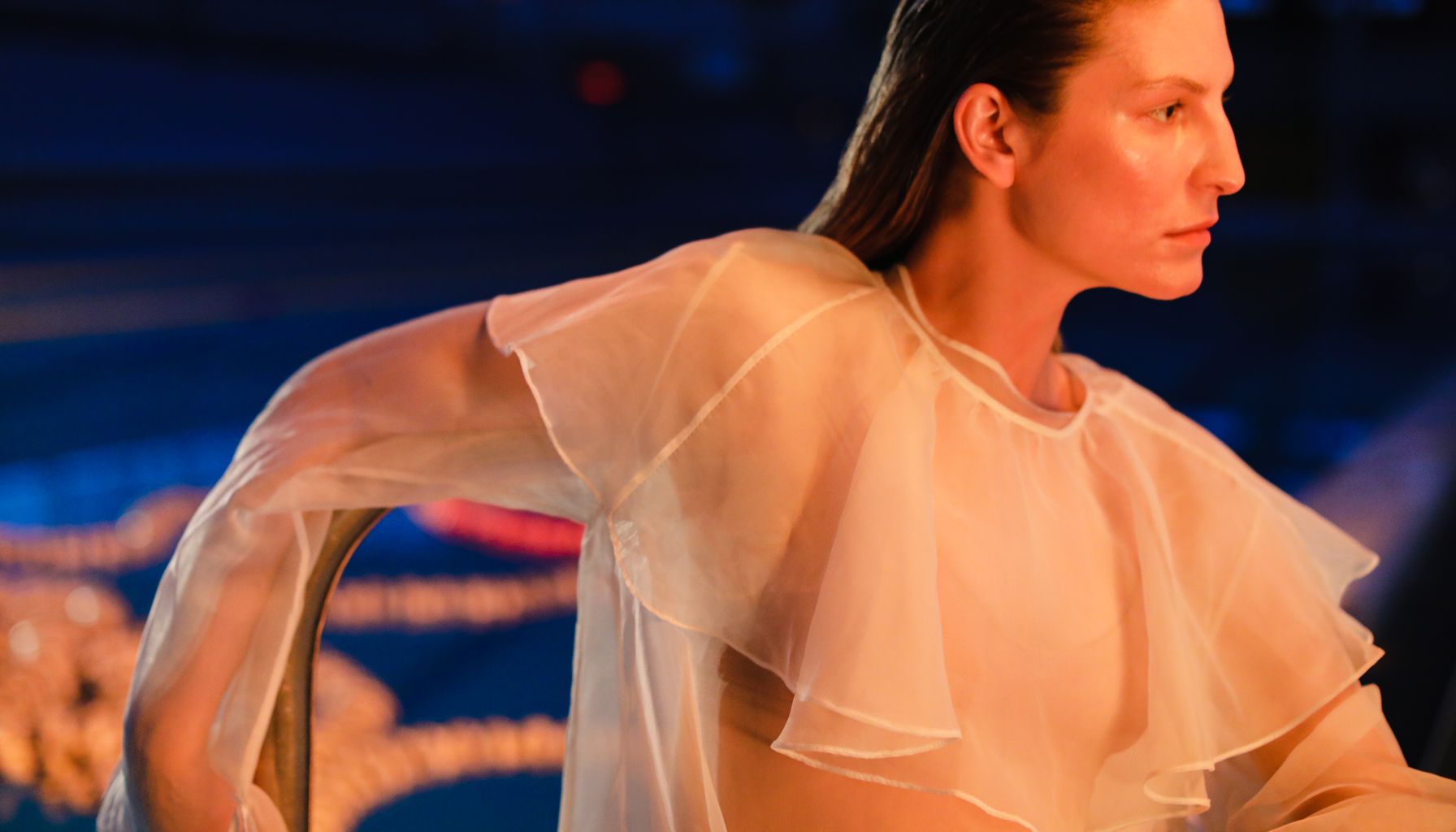
Daniel Roseberry presented in Paris the new feminine ready-to-wear collection for the house Schiaparelli, reinforcing surrealism as an aesthetic-experimental platform and betting on loose, separable pieces designed for a concrete wardrobe.
Collection recap: Schiaparelli, Roseberry, and ready-to-wear
The runway in Paris showcased Daniel Roseberry's vision, the Texan creative director of the house, who used surrealism to reimagine shapes, proportions, and materials in the context of ready-to-wear. According to ANSA, the collection favors fluid pieces, layering, and detachable elements — convertible dresses, skirts, and blazers that function both independently and together — with sartorial finishes that recall the house's tradition.
The catwalk presented contrasts between structured volumes and elongated silhouettes, as well as unexpected details typical of Schiaparelli's lexicon: applications that transcend the function of clothing to create images and visual narratives. The palette ranged from classic neutrals to vibrant touches, while experimental materials dialogued with French tailoring.
Meaning and strategy of the house: surrealism as a laboratory
For Roseberry, the collection is a continuation of the dialogue between Elsa Schiaparelli's legacy and a contemporary identity. The designer, born in Texas, has woven his Texan roots into a French sartorial tradition, seeking a language that is both historical and forward-looking.

Surrealism, in the house's view, functions less as a decorative theme and more as an experimental platform: a field to test proportions, material combinations, and wearability possibilities. This approach distinguishes the realm of ready-to-wear from haute couture in the brand's strategy — couture remains a laboratory of creativity and spectacle, while ready-to-wear translates that research into functional and commercially viable pieces.
Roseberry highlighted the symbolic role of clothing: for the house, fashion transcends the mere utilitarian function of the dress to become image, story, and matter. According to ANSA's coverage, he also reminded us of the sector's economic heft — cited as US$3 trillion — to place fashion as a global cultural and economic force, not just an elitist consumer object.
The proposal reaffirms the pursuit of a contemporary identity, nearly a century after the house was founded by Elsa Schiaparelli. The collection invests in pieces that can be adopted in daily life without losing the provocative edge that defined the house, signaling a brand strategy that blends heritage and innovation.
What this means for Brazilians and descendants of Italians
Schiaparelli, though today integrated into the international fashion circuit, has historical Italian and French roots — a symbolic connection for Brazilian Italians interested in the evolution of the maisons that comprise Italian cultural heritage in fashion. Following collections like this, readers can see how national and personal identities are reinterpreted in the global market.
The discussion on ready-to-wear versus haute couture also has practical implications: trends arising on the Paris runways tend to influence production and consumption networks worldwide, including in Brazil. For fashion professionals, buyers, and consumers, understanding this dynamic can guide purchasing decisions, curation, and local production.
Readers following news about Italy and culture can find additional context in sections like Italy News and reflections on life in the country at Life in Italy. For those interested in cultural and patrimonial aspects tied to Italian heritage, the intersection of tradition and modernity in fashion is a recurring theme that also engages with topics on Italian Citizenship, as identity and cultural belonging transcend documents and manifest in cultural practices.
Final notes
Daniel Roseberry's collection for Schiaparelli in Paris reaffirms surrealism as a creative engine and positions ready-to-wear as a practical field for the house's experiments. By proposing loose, convertible pieces with strong imagery, the house strives to keep its tradition alive while adapting to contemporary needs of use and market.
Source: ANSA