Q8 Applies Price Cap on Fuel in Italy for 30 Days
Q8 Italy will apply a price cap on gasoline and diesel for 30 days starting October 1, as prices fall, with highway gasoline below €2.20 per liter.
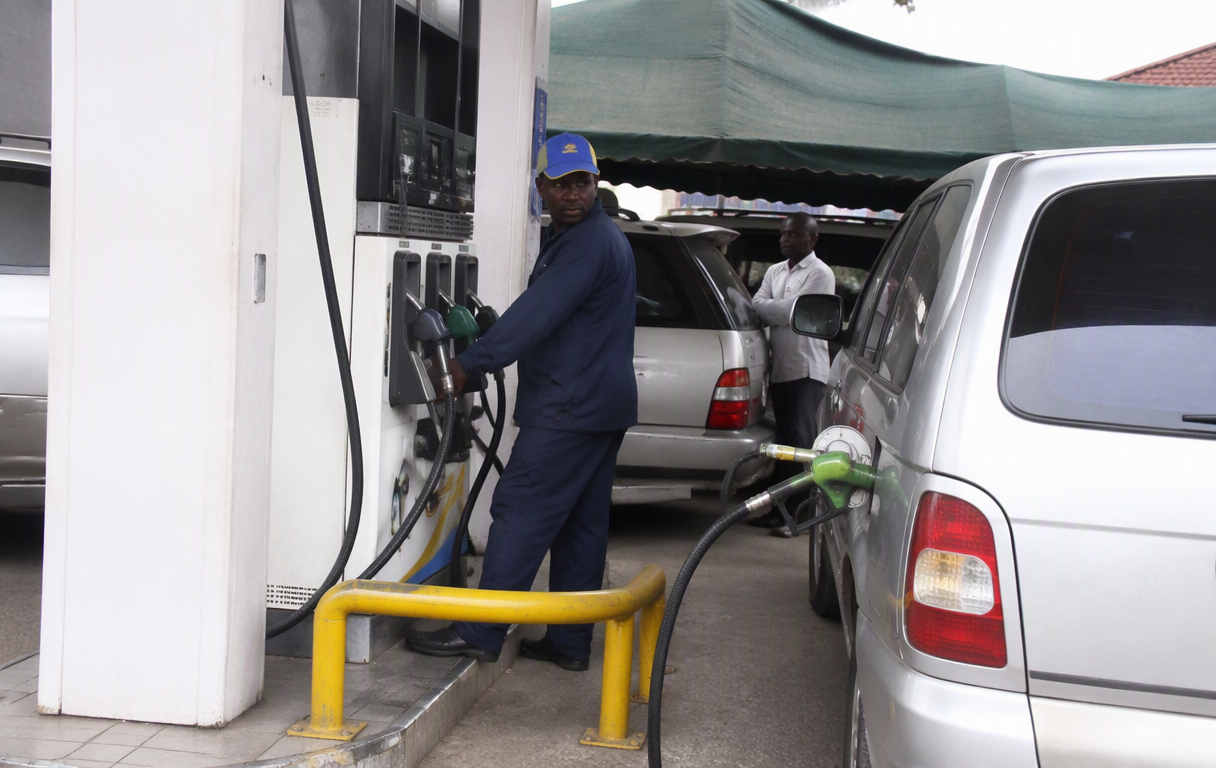
A Q8 Italia confirmed that it will apply a price cap on gasoline and diesel for 30 days starting October 1, in response to government appeals and recent price drops at the pumps, according to ANSA.
What Q8 announced — Q8 Italia and fuel price cap
A Q8 Italia stated that, "starting October 1 and for 30 days," it will adopt a price ceiling for the sale of gasoline and diesel in its distribution network. According to a statement cited by ANSA, the company will implement a "modular approach" to adjust the cap to the different realities of its service stations — in other words, the mechanism won’t be the same for all stations, but calibrated according to local characteristics and network formats.
The Q8 note also says that the company will support station managers and commercial partners to "guarantee the economic sustainability of the entire supply chain," indicating that the price cap aims to balance consumer price containment with maintaining the margins of resellers. The measure lasts one month and, according to the company, is temporary in nature.
Political reaction and price context — gasoline and diesel prices and government stance
The Q8 initiative was publicly welcomed by Prime Minister Giorgia Meloni, who, according to ANSA, mentioned Kuwait and the controlling group of Q8 for responding to the government’s call to curb the rise in fuel prices. The government note recalls that other major sector players, such as Eni and Socar, had already announced similar measures in recent weeks.

The Ministry of Enterprises and Made in Italy (Mimit) released market data indicating a fall in average prices: self-service gasoline on highways dropped below €2.20 per liter, while diesel was reported around €2.383 per liter. These indicators help contextualize the distributors’ decision, which follows political pressure and movements in the Italian energy market.
Impact on Italy’s energy market and for Brazilian readers with Italian roots
A major chain like Q8 joining the price cap mechanism could reinforce a trend of price containment at key distribution points, with cascading effects on transportation and logistics costs in the country. For Brazilians of Italian origin — whether they have relatives in Italy or simply follow the Italian economy and public policies — the news is relevant because it directly affects the cost of living and local mobility.
- Local consumers may feel immediate relief in travel costs, especially on highways where prices tend to be higher.
- Companies and logistics chains could see lower operating costs if caps are maintained for longer periods or if there is broad participation among distributors.
- Remittances and family transfers could be indirectly affected by transportation costs and the purchasing power of relatives in Italy.
For those seeking practical information about living or traveling in Italy, related content on our portal can help contextualize: see our pages on Vida na Itália and updates in Notícias da Itália. Those following institutional topics related to ancestry and citizenship can also consult the Cidadania Italiana section for related news on legislation and government movements.
What to watch in the coming weeks
Market specialists and analysts will monitor whether Q8’s price cap will be effectively applied across the entire network, how the "modular approach" criterion will work, and whether other chains will follow with similar measures beyond those already announced. It will also be important to monitor:
- the reaction of independent retailers;
- fluctuations in oil prices and supply contracts;
- potential regulatory actions by the government or Mimit to extend or coordinate price caps.
"Q8 Italia applicherà un price cap ... per 30 giorni", according to the statement reproduced by ANSA.
Conclusion: Q8’s decision to apply a price cap for 30 days starting October 1 is another move in the government’s and major distributors’ effort to curb fuel prices in Italy; the measure directly affects consumers’ budgets and the country’s logistics, and is of particular interest to Brazilians with ties to Italy who follow the cost of living and the local economy. Source: ANSA