November 4, 1966: When the Arno Flooded Florence
In the early hours of November 4, 1966, the Arno overflowed in Florence: 36 dead, 1,200 artworks damaged and libraries submerged; rescuers from around the world arrived.
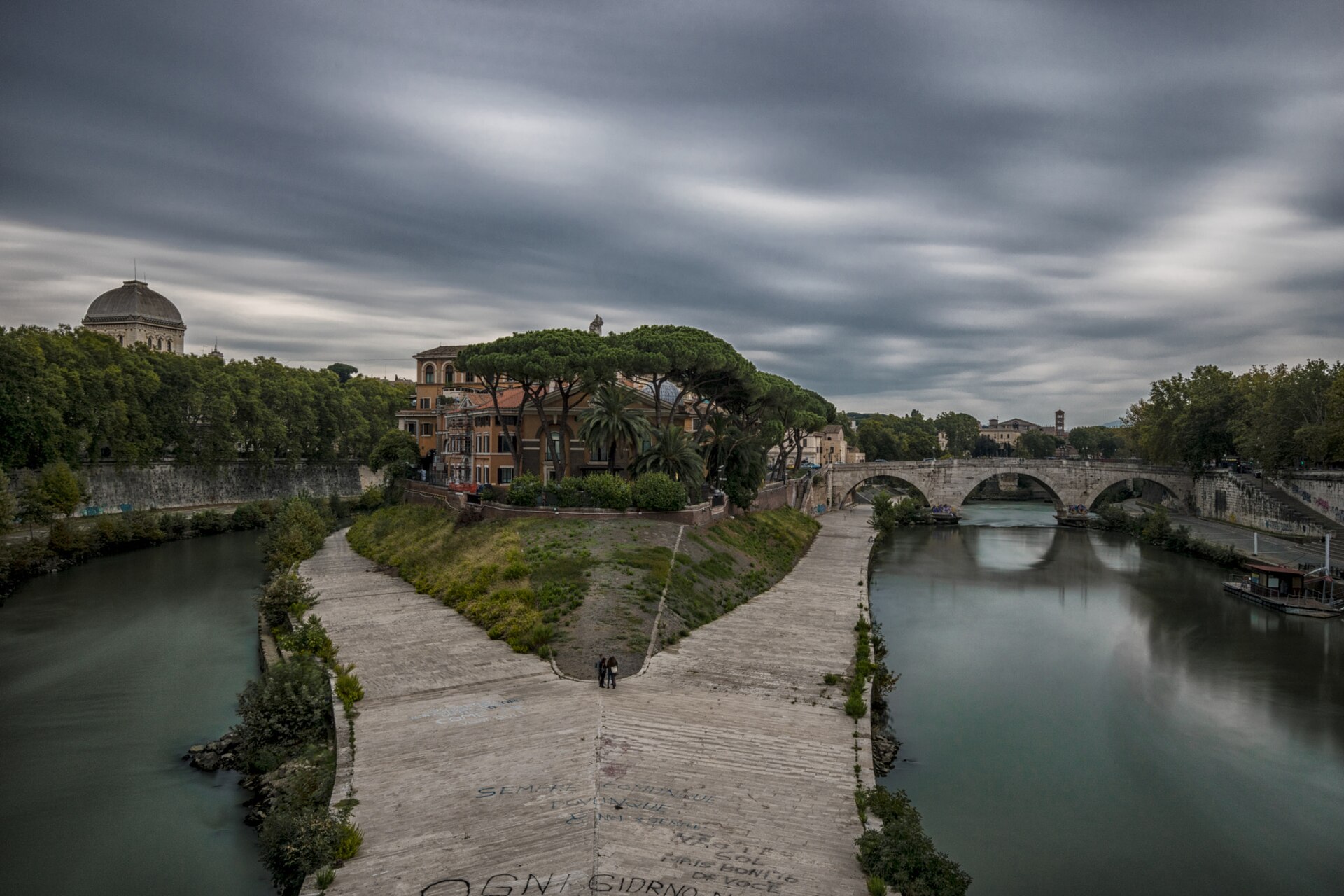
Meta description: In the early hours of November 4, 1966, the Arno overflowed in Florence: 36 dead, 1,200 artworks damaged and libraries submerged; rescuers from around the world arrived.
In the early hours of November 4, 1966, the Arno river overflowed and inundated a large part of Florence, causing deaths, destruction of artistic heritage, and a wave of international solidarity that became known as the “angeli del fango.” According to ANSA, the flood transformed the city and mobilized a recovery effort that spanned decades.
Context and dynamics of the flood (Florence flood 1966, Arno 1966)
The flood occurred on November 4, 1966, a local celebration date, which likely reduced the number of victims because many people were at home or in church services. It had been raining persistently since the end of October, and on the eve of the disaster, about 200 mm of rain fell along the Arno’s course at critical points of the watershed, according to contemporaneous reports compiled by the press and municipal archives. There was no generalized civil alert: residents discovered the flooding from their windows, by going out onto the street, or via phone calls before communications were interrupted by water and infrastructure failure. These communication failures amplified the surprise and the extent of the damage.
Victims and late recognition
The official death toll across the city and province was 36 people, a number consolidated in historical investigations and reiterated by media outlets. The recognition of victims stretched over decades: the last name officially identified was Mario Maggi, 44, identified only in 2023, 57 years after the tragedy. The case illustrates how the catastrophe left human and forensic consequences that were complex; the number of the missing was never precisely estimated in public records. For those following immigration and family ties with Italy, memories of this period also appear in reports about life in the region and affected generations of Italians and Brazilian descendants interested in the country’s history (/vida-na-italia, /noticias).

Damage to artistic heritage and libraries (artistic damages, Biblioteca Nazionale)
Cultural damages were massive and visible: about 1,200 works of art — including paintings, frescoes, sculptures, and sacred objects — were damaged or destroyed. Among the most symbolic pieces affected is the Cimabue Crucifix, whose rescue and restoration became icons of the cultural recovery effort and Florence’s resilience. The disaster’s impact on documentary and library heritage was also immense: about one-third of the roughly 3 million volumes in the Biblioteca Nazionale were submerged. Another institution severely affected was the Gabinetto Vieusseux, with about 250,000 volumes flooded in the Palazzo Strozzi’s basements. The material loss translated into international lessons about preventive conservation, restoration, and the need for backups and external cataloging, topics frequently covered in culture and heritage reporting.
Solidarity and the 'angeli del fango'
The human response to the catastrophe was immediate and global: thousands of volunteers — students, intellectuals, artists, and ordinary citizens — traveled to Florence to help with cleaning and salvaging works, working side by side with firefighters and conservators. Journalist Giovanni Grazzini coined the term “angeli del fango” to describe these mud-caked volunteers who pulled books, brushes, and canvases from the rubble. Among those who participated in the effort are names that later became well-known public figures: Giuseppe Betori, Gualtiero Bassetti, Pierluigi Bersani; artists like Joan Baez and Francesco De Gregori; and politicians or international leaders such as Ted Kennedy, Lionel Jospin, and Joschka Fischer, according to records and memories shared over the years. Visual documents and testimonies preserved in archives and reports include audiovisual material — there are even records published in 2024 that reconstruct accounts from firefighters and volunteers about those critical days.
Memory, restoration, and legacy
The 1966 flood spurred lasting changes: a new awareness of heritage protection, international cooperation flows in restoration, and emergency protocols for museums and libraries. Conservation projects in the following decades were funded by donations and the mobilization of foreign institutions, turning the experience into a case study on post-disaster recovery. For readers interested in issues linking rights, citizenship, and mobility associated with contemporary Italy, the flood memory appears in multiple contexts of coverage about the country (/cidadania, /noticias).
“It felt as if the entire city had been swept away; saving what could still be saved became a race against water and time.”
The Arno flood of November 4, 1966 remains a milestone in Florence’s history: an event that united human and cultural tragedy and whose collective response became part of the city’s identity.
Source: ANSA